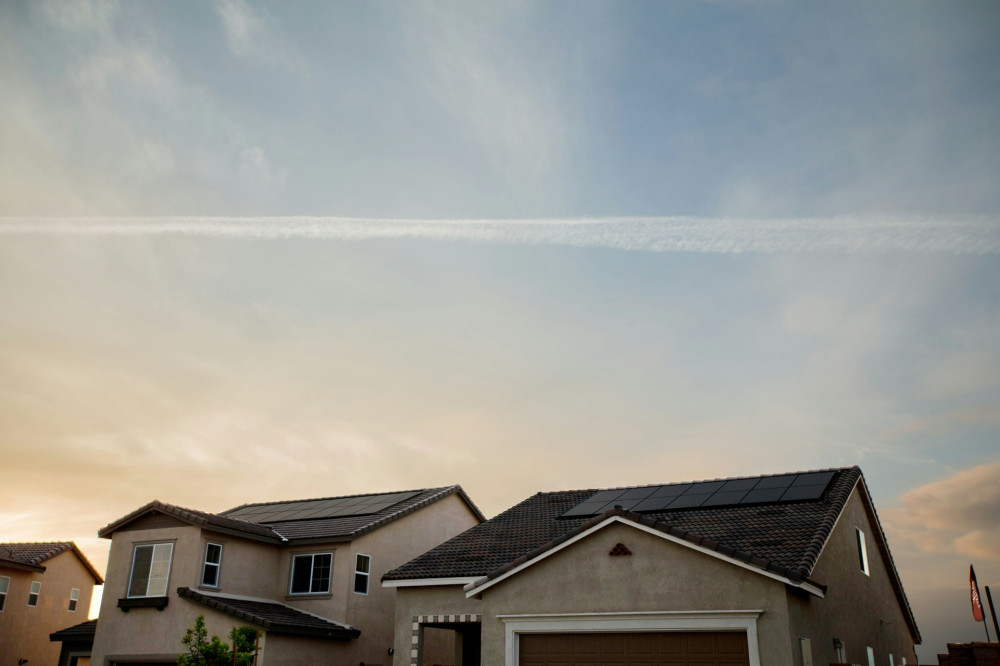
Understanding Your Energy Use After a Renovation


Understanding Your Energy Use After a Renovation
After completing a renovation, it’s natural to expect lower energy bills and a more comfortable home. Yet many Irish homeowners find that their electricity or heating costs don’t drop as much as they hoped—at least not right away. This can be due to new habits, different equipment, or simply changes in how the home is used. Here’s a guide to help you understand and track your energy use after a renovation—and make sure your investment truly pays off.
Start by Knowing Your Baseline
Before you can assess the impact of your renovation, you need to know what your energy use looked like before. Compare your electricity, gas, and water bills from before and after the work. Keep in mind:
- Weather conditions: A colder winter or a wetter season can increase heating demand. Use degree days or SEAI’s online tools to adjust for temperature differences.
- Household changes: If more people are living at home, or if you’re working remotely more often, your energy use will naturally rise.
- New systems and appliances: Heat pumps, ventilation systems, or new kitchen appliances can change your energy profile—sometimes increasing electricity use while reducing gas or oil consumption.
By comparing like with like, you’ll get a clearer picture of what your renovation has actually achieved.
Understand Where the Energy Goes
After a renovation, your energy use may shift between different areas. You might use less heating oil or gas but more electricity for ventilation or smart controls. It helps to break down your consumption:
- Heating: If you’ve improved insulation or installed a heat pump, your heating demand should drop. But if you’ve also raised your indoor temperature or started heating more rooms, savings may be smaller.
- Electricity: New technologies—such as smart thermostats, underfloor heating, or mechanical ventilation—use power but can still lead to overall savings if they replace inefficient systems.
- Water: Low-flow taps and efficient showers can reduce water use, but longer showers or new appliances may offset some of the gains.
Your energy supplier or smart meter can provide detailed data to help you see where your energy is going.
Adjust Your Habits to Maximise the Benefits
Even the best energy upgrade needs the right behaviour to deliver full results. Small changes in daily routines can make a big difference:
- Use smart controls effectively: If you’ve installed programmable heating or lighting, set schedules and temperature zones so energy is only used when needed.
- Ventilate wisely: Open windows briefly and fully rather than leaving them ajar for hours.
- Watch standby power: Many modern devices draw energy even when not in use. Switch them off completely when possible.
- Maintain your systems: Clean filters in ventilation units and service your heat pump regularly to keep them running efficiently.
Combining technical improvements with mindful habits ensures you get the most from your renovation.
Use Data to Track Your Progress
Most Irish energy suppliers now offer online dashboards or apps showing your usage—sometimes even hour by hour. This data can help you spot trends and act quickly if something changes.
- Compare months and years: If your energy use rises without a clear reason, it could signal a fault or inefficiency.
- Set goals: Decide how much you want to reduce your consumption and monitor your progress.
- Use smart meters and apps: They can alert you to unusual spikes or confirm when your efforts are paying off.
By keeping an eye on your data, you can ensure your renovation continues to deliver value over time.
Læs også:

When Savings Don’t Appear as Expected
If your bills aren’t falling as much as you hoped, several factors could be at play:
- System settings or faults: A heat pump or ventilation system that’s not properly configured can waste energy.
- Insulation gaps: Even small air leaks can lead to heat loss.
- Comfort creep: After a renovation, many people enjoy warmer rooms or use more space—reducing the apparent savings.
Consider arranging a home energy assessment through a registered BER assessor or SEAI advisor. They can identify where further improvements are possible.
A Long-Term Investment in Comfort and Efficiency
An energy renovation isn’t just a one-time project—it’s the start of a new way of living in your home. By monitoring your energy use, adjusting your habits, and maintaining your systems, you can make sure your expected savings become reality.
It’s not only about lower bills, but also about comfort, sustainability, and a healthier indoor environment. When you understand your energy use, you don’t just have a more efficient house—you have a home that works better for you every day.
Læs også: