Layered Lighting: How to Create Depth and Atmosphere in Your Interior Design

Layered Lighting: How to Create Depth and Atmosphere in Your Interior Design
Lighting is far more than a practical necessity. It’s one of the most powerful tools for shaping the mood of a room and highlighting its architecture and décor. By working with layered lighting – combining multiple light sources at different levels and with different purposes – you can create depth, warmth, and flexibility in your home. Here’s a guide to how you can use layered lighting to design an interior that feels both inviting and well thought out.
What Does It Mean to Work with Layers of Light?
Layered lighting is about combining different types of light so that together they meet both functional and atmospheric needs. Instead of relying on a single ceiling fixture, you create a composition of light sources, each serving its own role.
The three fundamental layers are:
- Ambient lighting – the general illumination that allows you to move around safely and comfortably. This often comes from ceiling lights, recessed spots, or large pendants.
- Task lighting – focused light for specific activities such as cooking, reading, or working. Table lamps, wall lights, and under-cabinet lighting are ideal examples.
- Accent lighting – soft, indirect light that adds atmosphere and highlights features. Think floor lamps, small lamps on shelves, or LED strips behind furniture.
When these layers are combined, the room gains a natural balance between function and mood.
Start with the Room’s Purpose
Before choosing your lights, consider how the room is used. A kitchen needs stronger task lighting than a living room, while a bedroom benefits from softer, adjustable light.
- In the living room, combine a central pendant with floor lamps by the sofa and small table lamps in corners. This allows you to shift the mood from bright and practical to cosy and relaxed.
- In the kitchen, ensure good lighting over worktops and the hob. Pendant lights over the dining area can create a more intimate atmosphere for meals.
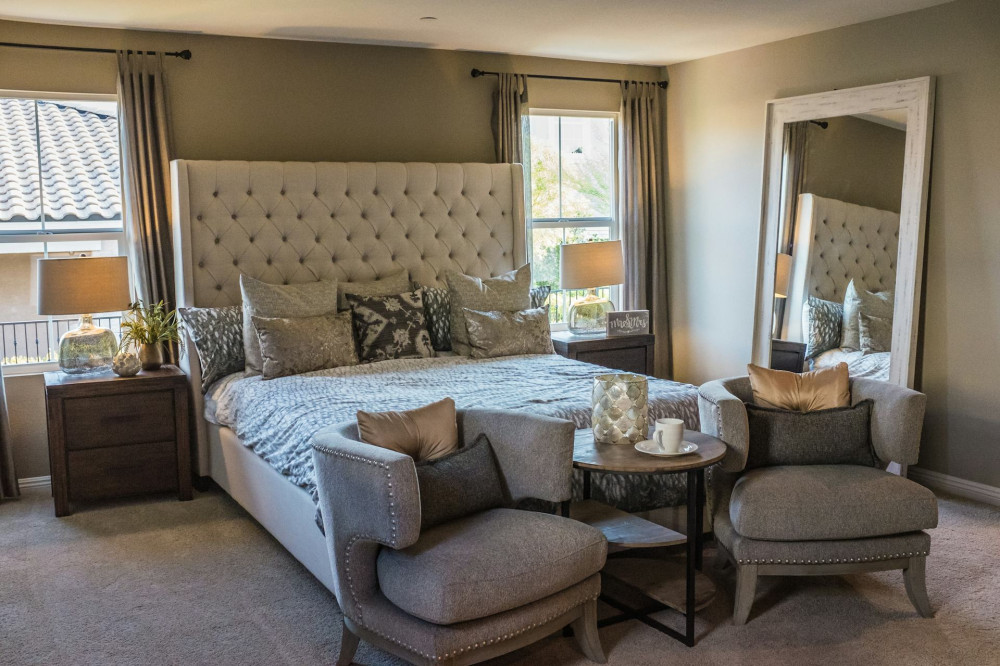
- In the bedroom, wall lights beside the bed work well for reading, while a dimmable ceiling light or hidden LED strip behind the headboard adds calm.
- In the hallway, a mix of recessed spots and a small lamp on a console table can make the space both functional and welcoming.
By starting with the room’s function, you ensure that your lighting is both practical and pleasant.
Create Depth with Direction and Shadows
A room without shadows can feel flat and lifeless. By varying the direction of your light – for example, combining upward and downward beams – you can add depth and highlight textures.
Try aiming a lamp towards a wall or ceiling to make the space feel larger. Use spotlights to draw attention to artwork, plants, or materials like brick and wood. This adds character and visual interest without changing the furniture or layout.
Choose the Right Colour Temperature
Light has not only intensity but also tone, measured in kelvin (K). The colour temperature you choose has a big impact on the atmosphere:
- 2700–3000 K gives a warm, golden glow that feels cosy and relaxing – perfect for living rooms and bedrooms.
- 3500–4000 K is more neutral and suits kitchens, bathrooms, and utility areas.
- Above 4000 K produces a cool, crisp light often used in home offices or workshops.
By mixing different colour temperatures throughout your home, you can support each room’s function and create a natural rhythm through the day.
Use Dimmers and Smart Controls
A dimmer switch is a simple yet powerful way to change the mood of a room. With one adjustment, you can move from bright task lighting to a soft evening glow. Many modern lamps and bulbs can also be controlled via apps or voice assistants, allowing you to set scenes such as “morning light” or “movie night.”
Smart lighting makes it easier to take full advantage of layered lighting and adapt it to your needs without juggling multiple switches.
Don’t Forget the Small Details
Small light sources can make a big difference. A lamp on a windowsill, a light inside a bookcase, or an LED strip under a shelf can add warmth and personality. It’s not about having many lamps, but about placing them thoughtfully.
Consider materials and shades too – a fabric lampshade diffuses light softly, while metal or glass shades create a sharper effect. By mixing materials and shapes, you can achieve a more dynamic and personal look.
Lighting as Part of Your Interior Design
Lamps are not just functional – they’re design elements in their own right. A striking pendant can serve as a focal point, while discreet wall lights can complement a minimalist style. Think about how the form, colour, and material of your lighting interact with your furniture and textiles.
When you treat lighting as an integral part of your interior design, the result feels cohesive and intentional.
Læs også:



A Home with Balance and Life
Layered lighting is ultimately about balance – between light and shadow, function and atmosphere. By combining different light sources and considering their placement, you create a home that feels alive, flexible, and comfortable. It’s not just the space that becomes more beautiful – it becomes a place you truly enjoy living in.
Læs også: