From Baroque to Sustainability – The Journey of Furniture Design Through the Centuries

From Baroque to Sustainability – The Journey of Furniture Design Through the Centuries
Furniture tells stories – not only about function and form, but also about the values, technology, and aesthetics of its time. From the opulent Baroque interiors of 17th-century Europe to today’s sustainable and minimalist designs, furniture design mirrors the evolution of society itself. Join us on a journey through the centuries, where craftsmanship, style, and materials have evolved alongside human needs and ideals.
The Grandeur and Symbolism of the Baroque
In the 1600s, furniture was far more than a practical necessity – it was a statement of power and prestige. The Baroque style celebrated drama and splendour, with heavy tables, elaborately carved chairs, and gilded mirrors adorning the homes of the wealthy. Every detail was meticulously crafted, often from luxurious materials such as walnut, mahogany, and gold leaf.
These pieces were designed to impress rather than comfort. They reflected the social hierarchy of the time, where furniture served as a visual declaration of wealth and influence.
Læs også:

Rococo and Classicism – Grace and Balance
By the 18th century, tastes began to shift. The Rococo period introduced a lighter, more playful aesthetic. Curved lines, pastel tones, and floral motifs replaced the weight and grandeur of the Baroque. Furniture became more intimate and elegant, designed for conversation and comfort rather than ceremony.
Later, Classicism emerged as a reaction to Rococo’s extravagance. Inspired by the symmetry and simplicity of ancient Greece and Rome, designers sought harmony and proportion. Rationality and order became guiding principles – ideals that extended from philosophy to interior design.
The Industrial Revolution – A New Era of Production
The 19th century brought radical change. The Industrial Revolution transformed furniture making from artisanal craft to mechanised production. For the first time, furniture became accessible to the growing middle class. Yet this democratisation came at a cost: mass production often sacrificed the quality and individuality of traditional craftsmanship.
In response, movements like Arts and Crafts emerged, led by figures such as William Morris. They championed honest materials, skilled workmanship, and the moral value of design. This philosophy laid the foundation for modern design, where form and function were to be inseparable.
Modernism – Function Over Ornament
The early 20th century saw the rise of modernism, a movement that redefined design principles. Architects and designers such as Le Corbusier, Alvar Aalto, and Eileen Gray – the latter with strong Irish connections through her family heritage – embraced the mantra “form follows function.” Furniture became streamlined, geometric, and practical, often made from new industrial materials like steel, glass, and plywood.
Modernism’s influence reached far and wide, including Ireland, where mid-century design began to blend international modernist ideals with local craftsmanship and natural materials. The result was furniture that was both functional and warm – a balance that continues to inspire Irish designers today.
Postmodernism and Personality
By the 1970s and 80s, postmodernism challenged modernism’s strict minimalism. Designers reintroduced colour, humour, and individuality. Furniture became expressive again – a reflection of personality rather than pure utility. Plastic, laminate, and bold patterns dominated, as designers like Ettore Sottsass and Verner Panton pushed the boundaries of what furniture could be.
This era celebrated diversity and experimentation, paving the way for a more inclusive understanding of design as a cultural language.
Today’s Focus: Sustainability and Conscious Living
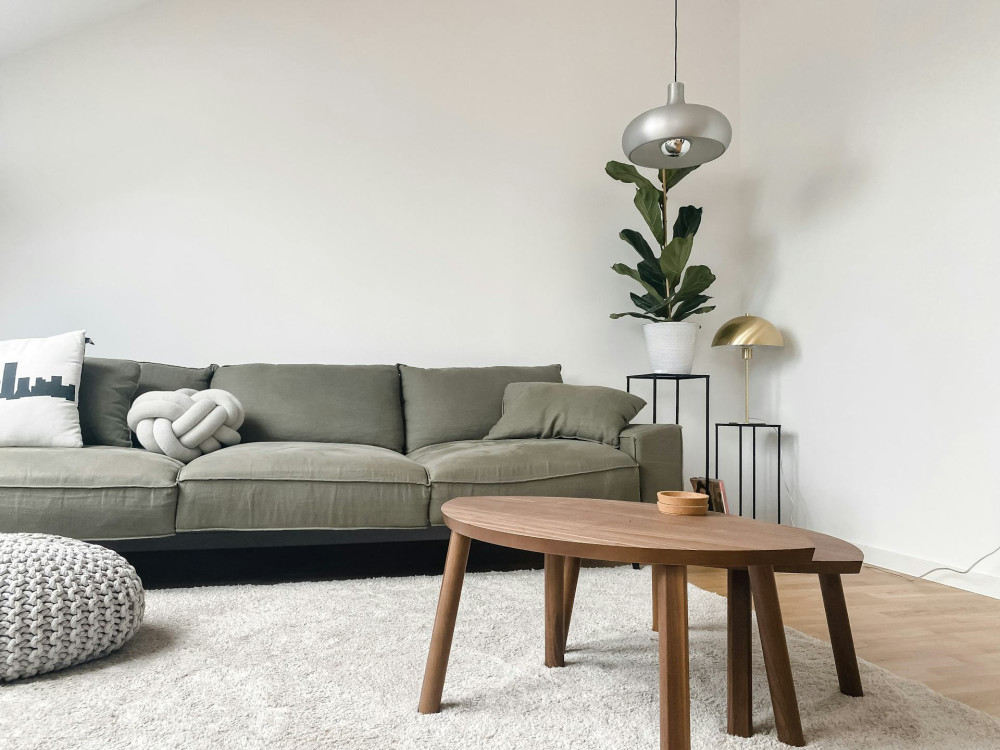
In the 21st century, furniture design faces new priorities. Climate change and resource scarcity have placed sustainability at the heart of design thinking. Irish designers and makers are increasingly turning to reclaimed wood, biodegradable materials, and circular design principles. Furniture is now expected to be durable, repairable, and recyclable – beautiful, but also responsible.
There is also a renewed appreciation for craftsmanship and local production. Across Ireland, small workshops and independent studios are reviving traditional woodworking techniques, often using native timbers like ash and oak. Consumers, too, are seeking authenticity – pieces with a story, made to last rather than to be replaced.
From Splendour to Sustainability – A New Aesthetic
The journey of furniture design from Baroque splendour to sustainable simplicity reveals how aesthetics and ethics intertwine. Where once furniture symbolised power and wealth, today it expresses care – for the environment, for community, and for longevity.
The future of furniture design will likely continue this path: more flexible, more sustainable, and more personal. Styles may change, but one truth remains constant – our furniture is a reflection of who we are and the times we live in.
Læs også: