Daylight as a Source of Energy Savings and Enhanced Wellbeing

Harness the power of natural light for a healthier and more energy-efficient environment
Construction
Construction
6 min
Discover how daylight can reduce energy consumption while improving mood, productivity, and overall wellbeing. Learn practical ways to design and adapt spaces that make the most of natural light for both sustainability and comfort.
Fergal O’Dwyer
Fergal
O’Dwyer

Daylight as a Source of Energy Savings and Enhanced Wellbeing

Harness the power of natural light for a healthier and more energy-efficient environment
Construction
Construction
6 min
Discover how daylight can reduce energy consumption while improving mood, productivity, and overall wellbeing. Learn practical ways to design and adapt spaces that make the most of natural light for both sustainability and comfort.
Fergal O’Dwyer
Fergal
O’Dwyer

Daylight is one of the most natural and sustainable resources available to us. It influences not only our energy consumption but also our mood, sleep, and overall wellbeing. At a time when energy costs and environmental awareness are high on the agenda, it is worth exploring how we can make better use of daylight – both at home and in the workplace.

Daylight as a Free Energy Source

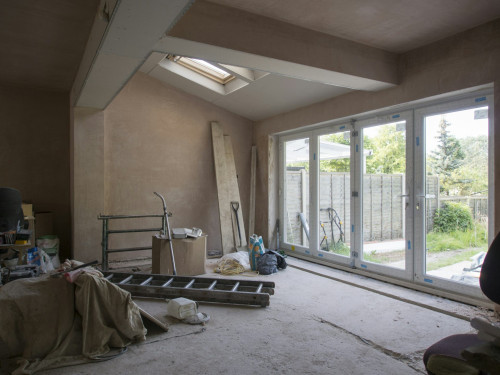
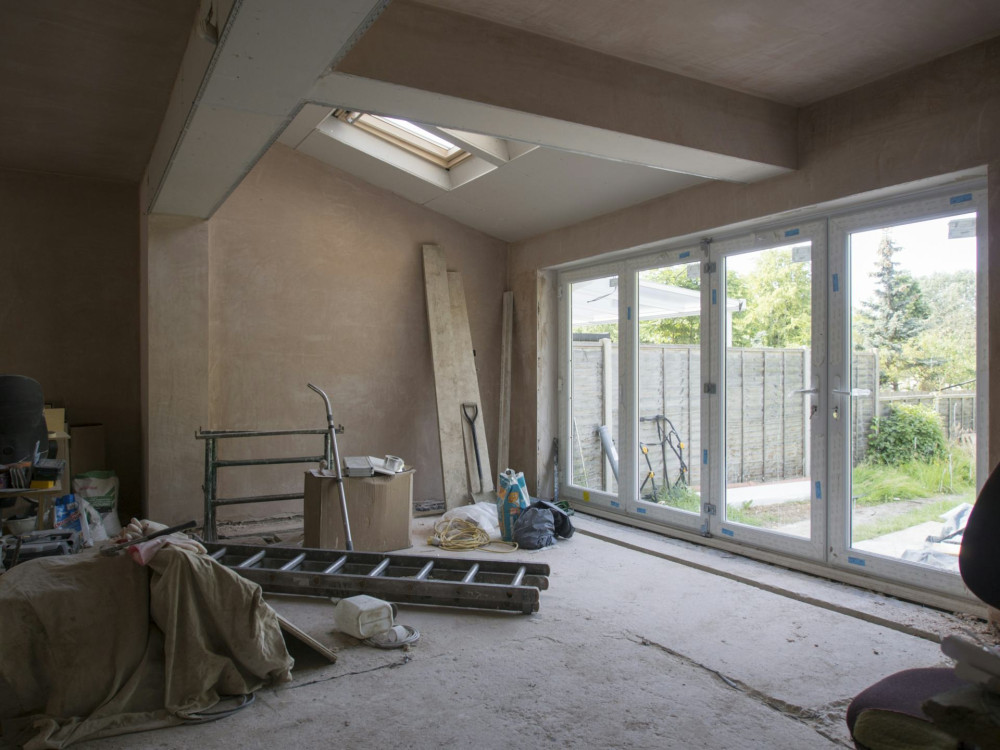
When the sun shines, it provides both light and warmth. By designing buildings and homes to follow the sun’s natural path, we can reduce the need for artificial lighting and heating. South- and west-facing windows can bring valuable warmth during the colder months, while skylights and roof windows can draw daylight deep into interior spaces.

Modern glazing and shading systems help prevent overheating in summer, ensuring comfort all year round. It’s all about balance – capturing the benefits of the sun’s energy without compromising indoor comfort.

Light and Human Wellbeing

Research shows that daylight has a direct impact on our biological rhythms. Exposure to natural light during the day helps us sleep better at night, improves concentration, and boosts our mood. This applies in homes, offices, and schools alike.

Rooms filled with daylight tend to feel more open and pleasant. Our eyes and brains respond positively to the natural variation in daylight – something that artificial lighting rarely replicates. Daylight, therefore, is not just a matter of energy efficiency but also of quality of life.

Architecture with Light in Mind

In modern architecture, daylight plays an increasingly central role. Architects carefully consider how light enters and moves through a space, using materials and surfaces that reflect or soften it. Bright walls and ceilings help distribute light more evenly, reducing the need for electric lighting during the day.

In office buildings, features such as atriums, glass façades, and rooflights are common ways to bring daylight deep into the interior. In Irish homes, similar effects can be achieved with windows on multiple sides, glazed doors, or light shafts that channel daylight into darker areas.

Simple Steps for Brighter Spaces

Even without major renovations, there are many ways to make better use of daylight. Here are a few simple ideas:

  • Keep windows clean – dirt and dust can significantly reduce the amount of light entering a room.
  • Use light colours on walls and ceilings to reflect daylight more effectively.
  • Choose light curtains or blinds that filter rather than block sunlight.
  • Position workspaces near windows to benefit from natural light throughout the day.
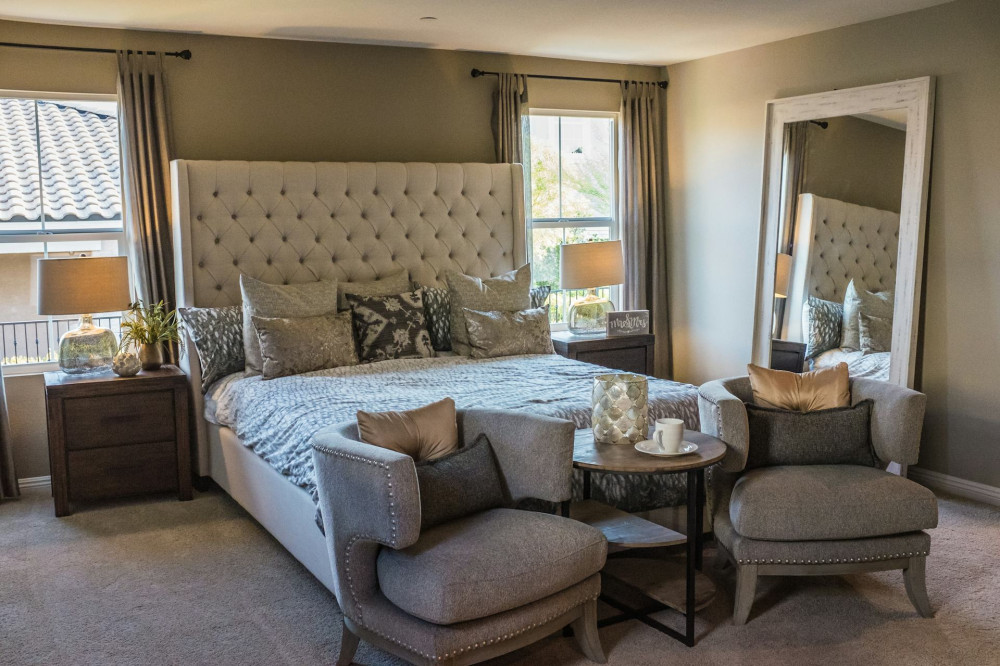
  • Add mirrors or reflective surfaces to bounce light deeper into the room.

These small adjustments can improve indoor comfort and reduce the need for artificial lighting.

Daylight and Sustainability Go Hand in Hand

Making the most of daylight helps lower energy use and carbon emissions. It’s a simple yet powerful way to make buildings more sustainable – without sacrificing comfort or aesthetics. At the same time, it supports healthier indoor environments where people feel and perform better.

In the future, daylight will play an even greater role in building design – not only as an architectural feature but as an active part of energy strategy. It’s an investment in both the environment and human wellbeing.

Daylight as a Source of Energy Savings and Enhanced Wellbeing
Harness the power of natural light for a healthier and more energy-efficient environment
Construction
Construction
Daylight
Energy Efficiency
Wellbeing
Sustainable Design
Architecture
6 min
Discover how daylight can reduce energy consumption while improving mood, productivity, and overall wellbeing. Learn practical ways to design and adapt spaces that make the most of natural light for both sustainability and comfort.
Fergal O’Dwyer
Fergal
O’Dwyer
Layered Lighting: How to Create Depth and Atmosphere in Your Interior Design
Transform your home’s atmosphere with the art of layered lighting
Construction
Construction
Interior Design
Lighting
Home Decor
Design Tips
Atmosphere
2 min
Discover how to combine different light sources to create depth, warmth, and character in your interior design. Learn practical tips for balancing function and mood, and see how thoughtful lighting can elevate every room in your home.
Rachel O’Connell
Rachel
O’Connell
Future-Proof Extension – Plan with Tomorrow’s Energy Standards in Mind
Build smarter today for a home that meets tomorrow’s energy demands
Construction
Construction
Home Extension
Energy Efficiency
Sustainable Building
Green Design
Future Planning
6 min
Discover how to plan your home extension with future energy standards in mind. Learn how smart design choices, sustainable materials, and renewable energy readiness can make your extension efficient, cost-effective, and environmentally responsible for years to come.
Callum Burke
Callum
Burke
Understanding Your Energy Use After a Renovation
Make the most of your renovation by understanding how your home uses energy
Construction
Construction
Energy Efficiency
Home Renovation
Sustainable Living
Energy Savings
Home Improvement
2 min
After a renovation, your home may look and feel brand new—but your energy bills might tell a different story. Learn how to track, analyse, and adjust your energy use to ensure your upgrades deliver the comfort and savings you expected.
Clara Power
Clara
Power
Old Pipes and Wiring – When Should They Be Replaced?
Keep your home safe and efficient by knowing when it’s time to update old plumbing and wiring
Construction
Construction
Home Maintenance
Plumbing
Electrical Safety
Renovation
Home Improvement
6 min
Hidden behind walls, aging pipes and electrical systems can pose serious risks if left unchecked. Learn how to spot the warning signs, plan replacements, and protect your home from costly damage and safety hazards.
Ciara Keane
Ciara
Keane
Rustic Outdoor Living: Create an Atmospheric Garden with Natural Materials
Bring warmth and authenticity to your garden with wood, stone, and natural textures
Furniture
Furniture
Rustic Garden
Outdoor Living
Natural Materials
Garden Design
Home Decor
5 min
Discover how to design a rustic outdoor space that feels both timeless and inviting. Learn how to use natural materials, thoughtful details, and local inspiration to create a garden full of atmosphere, harmony, and heart.
Fergal O’Dwyer
Fergal
O’Dwyer
From Baroque to Sustainability – The Journey of Furniture Design Through the Centuries
Discover how furniture design reflects centuries of changing tastes, technologies, and values
Furniture
Furniture
Furniture Design
Interior Design
History of Design
Sustainability
Craftsmanship
3 min
From the lavish Baroque era to today’s focus on sustainability, furniture design has evolved alongside human culture and innovation. Explore how craftsmanship, materials, and aesthetics have transformed through the ages to shape the way we live and express ourselves.
Rachel O’Connell
Rachel
O’Connell
Share, Swap and Borrow: A Sustainable Path to More Responsible Living
Discover how sharing, swapping, and borrowing can make everyday living more sustainable and community-focused
Furniture
Furniture
Sustainability
Community
Eco Living
Mindful Consumption
Sharing Economy
7 min
Learn how embracing shared resources and mindful consumption can reduce waste, save money, and strengthen local connections. From community libraries to swap events, explore practical ways to live more responsibly and sustainably.
Callum Burke
Callum
Burke