Future-Proof Extension – Plan with Tomorrow’s Energy Standards in Mind

Future-Proof Extension – Plan with Tomorrow’s Energy Standards in Mind
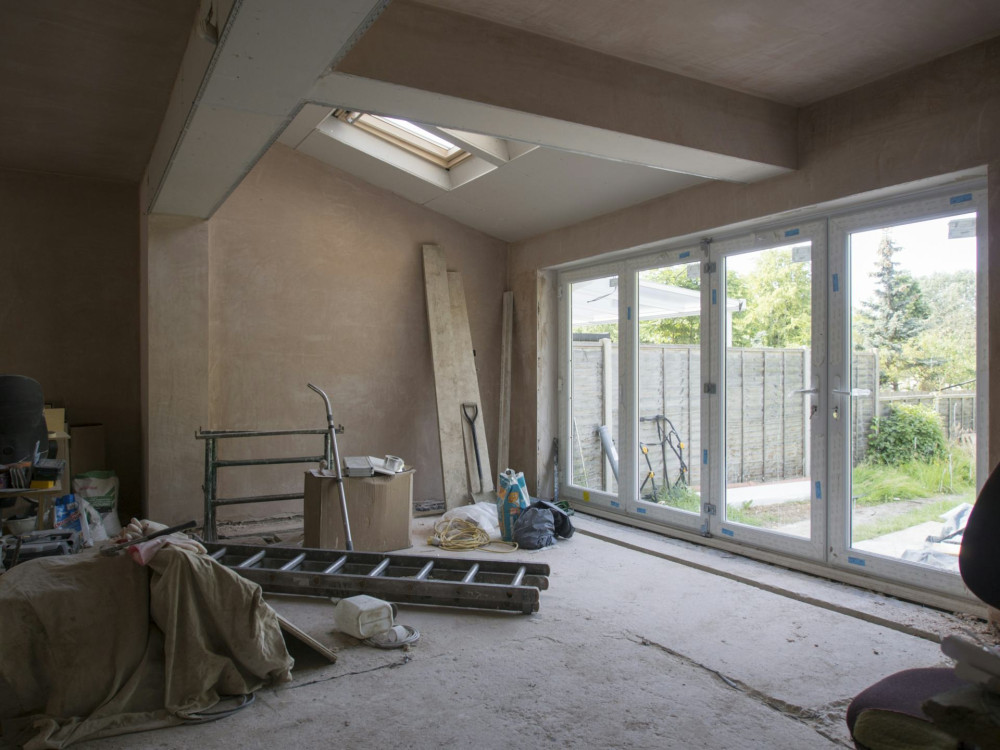
When planning a home extension, it’s not just about adding space or improving design. It’s equally about thinking long-term – both financially and environmentally. Energy standards for buildings are becoming increasingly strict, and what’s considered efficient today may soon be outdated. By planning your extension with future energy requirements in mind, you can ensure that it remains valuable, economical to run, and environmentally responsible.
Know the Current and Upcoming Energy Standards
In Ireland, the Building Regulations Part L set the standards for energy performance, insulation, and ventilation. These regulations already require new homes and extensions to meet high efficiency levels, but the bar is rising. Ireland’s Climate Action Plan and the EU’s goal of climate neutrality mean that future buildings will need to be even more energy-efficient – and increasingly capable of generating their own renewable energy.
When designing your extension, it’s wise to go beyond the minimum requirements. Consider solutions that already meet the standards expected in five to ten years’ time. This could include enhanced insulation, triple-glazed windows, or preparing for solar panels and heat pumps.
Think Holistically – Not Just in Square Metres
An extension affects the energy balance of your entire home. It’s important to view the building as a whole. How will the new part connect with the existing structure, both architecturally and in terms of energy performance?
- Orientation and daylight: Position the extension to make the most of natural light and solar gain. South-facing windows can provide free heat in winter but may need shading in summer.
- Insulation and airtightness: Pay special attention to the junctions between old and new. Poorly sealed connections can create cold bridges that undermine good insulation.
- Ventilation: A modern ventilation system with heat recovery can provide fresh air without losing warmth – improving comfort and indoor air quality.
By taking a holistic approach, you avoid creating an energy weak spot in your home.
Choose Materials with a Low Carbon Footprint
The materials you choose have a major impact on both the environment and long-term costs. Timber, reclaimed brick, and natural insulation materials such as hemp or cellulose are examples of low-carbon options that also contribute to a healthier indoor climate.
Also consider durability and maintenance. A façade that requires little upkeep saves time and resources in the long run. Building sustainably isn’t just about being green – it’s about building to last.
Prepare for Renewable Energy
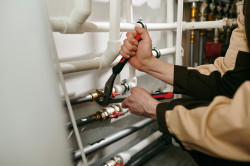
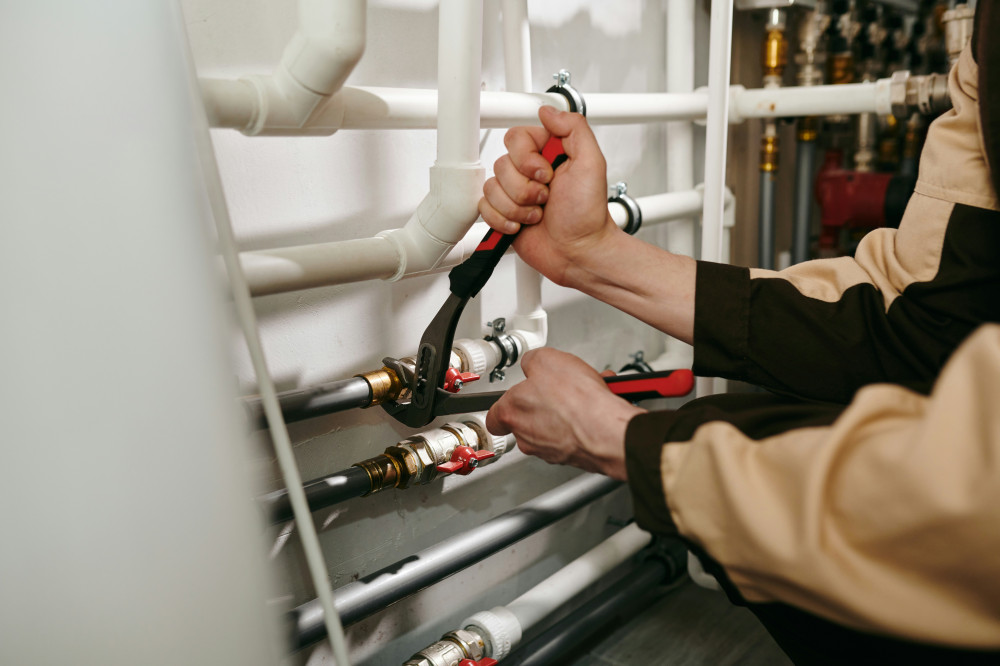
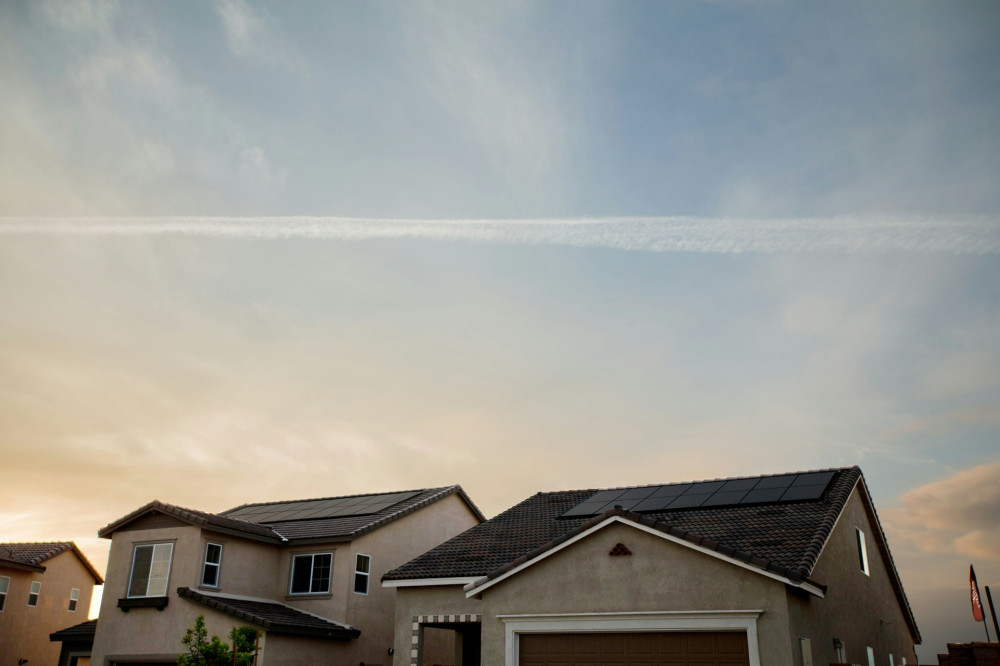
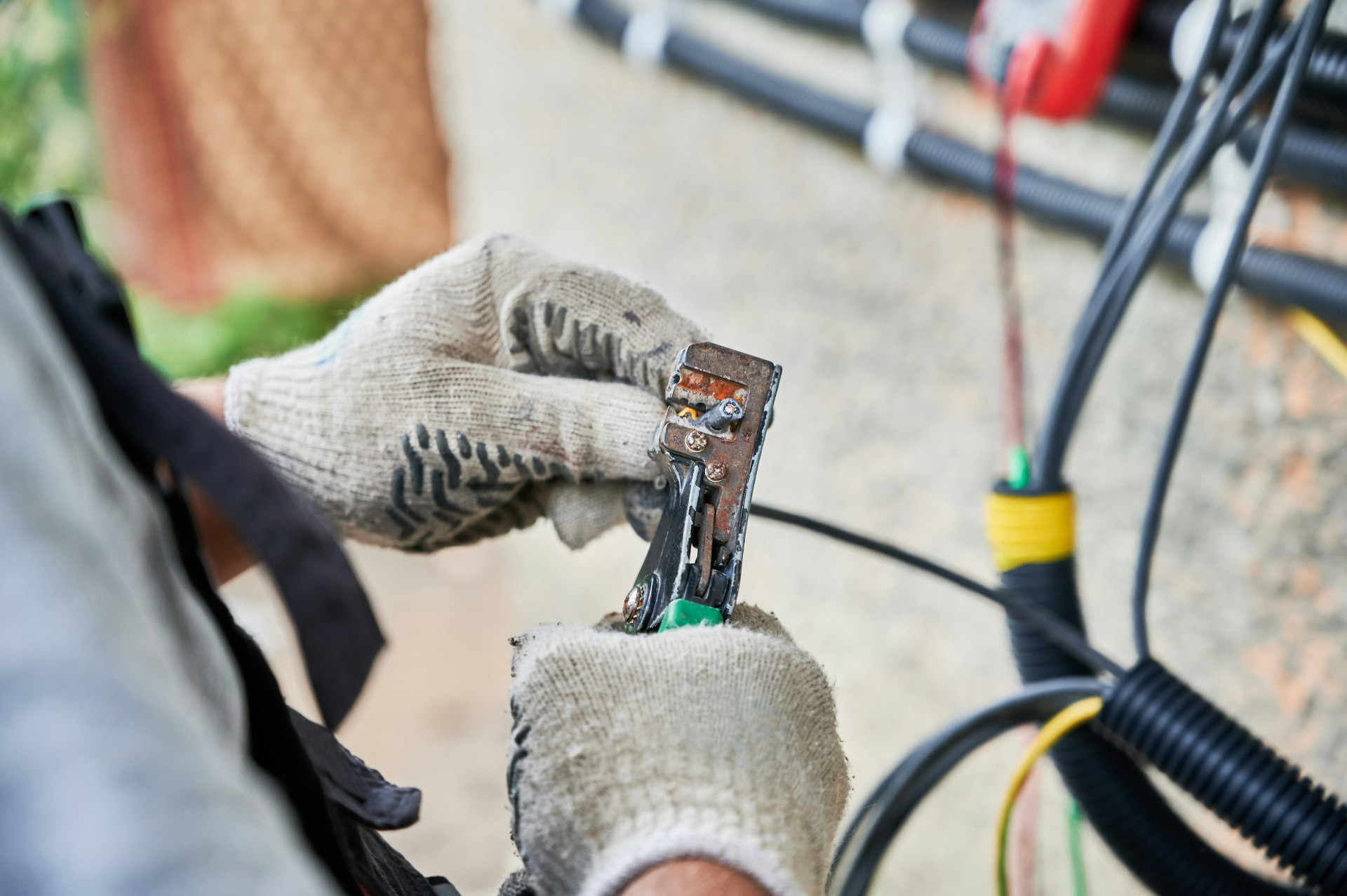
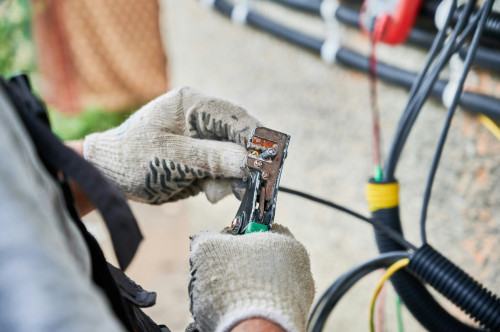
Even if you’re not ready to install solar panels or a heat pump right away, you can prepare your extension for them. Include conduits and space for future installations so upgrades will be easier and cheaper later. The same applies to electric vehicle chargers and battery storage – technologies that are quickly becoming standard in Irish homes.
By planning ahead, you’ll avoid costly retrofits when energy standards tighten or when you decide to upgrade.
Financial Considerations – Think Investment, Not Expense
A highly energy-efficient extension may cost a bit more upfront, but it pays off over time. Lower heating bills, improved comfort, and increased property value are benefits that last for years.
There are also grants and incentives available in Ireland for energy upgrades, such as those offered by the Sustainable Energy Authority of Ireland (SEAI). Check what supports you may qualify for before starting your project – it could make a significant difference to your budget.
Work with the Right Professionals
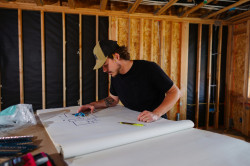
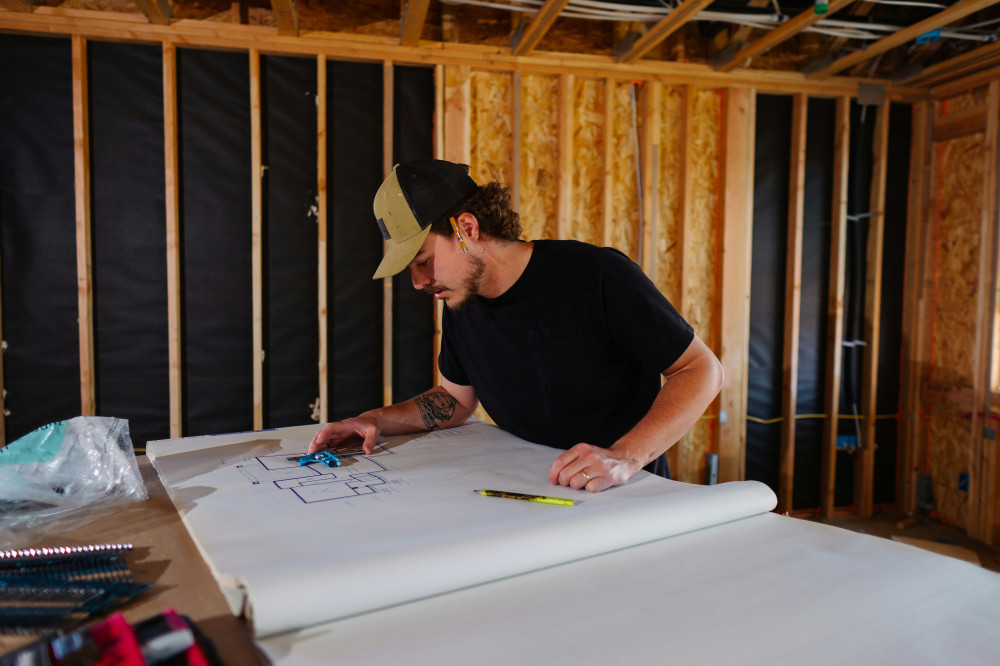
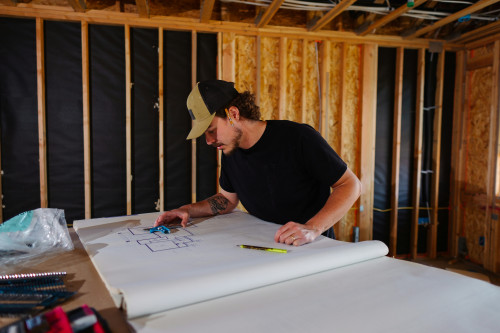
A future-proof extension requires careful planning and expertise. Architects, energy consultants, and builders experienced in low-energy construction can help you find the best solutions. They can also calculate energy performance and ensure your extension meets both current and future standards.
Good collaboration from the start leads to better results – aesthetically, technically, and financially.
Læs også:
Build for the Future – Not Just for Today
Building with tomorrow’s energy standards in mind is about more than saving on heating costs. It’s about creating a home that’s resilient, sustainable, and ready for the challenges ahead. An extension designed with foresight isn’t just extra space – it’s an investment in the future.
Læs også: