Old Pipes and Wiring – When Should They Be Replaced?

Old Pipes and Wiring – When Should They Be Replaced?
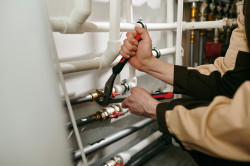
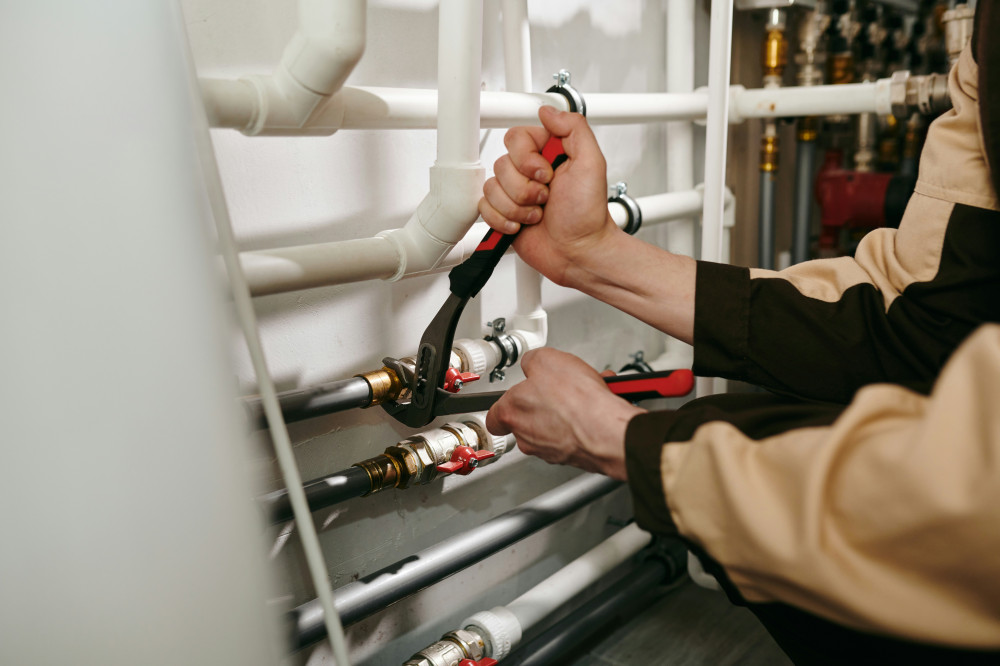
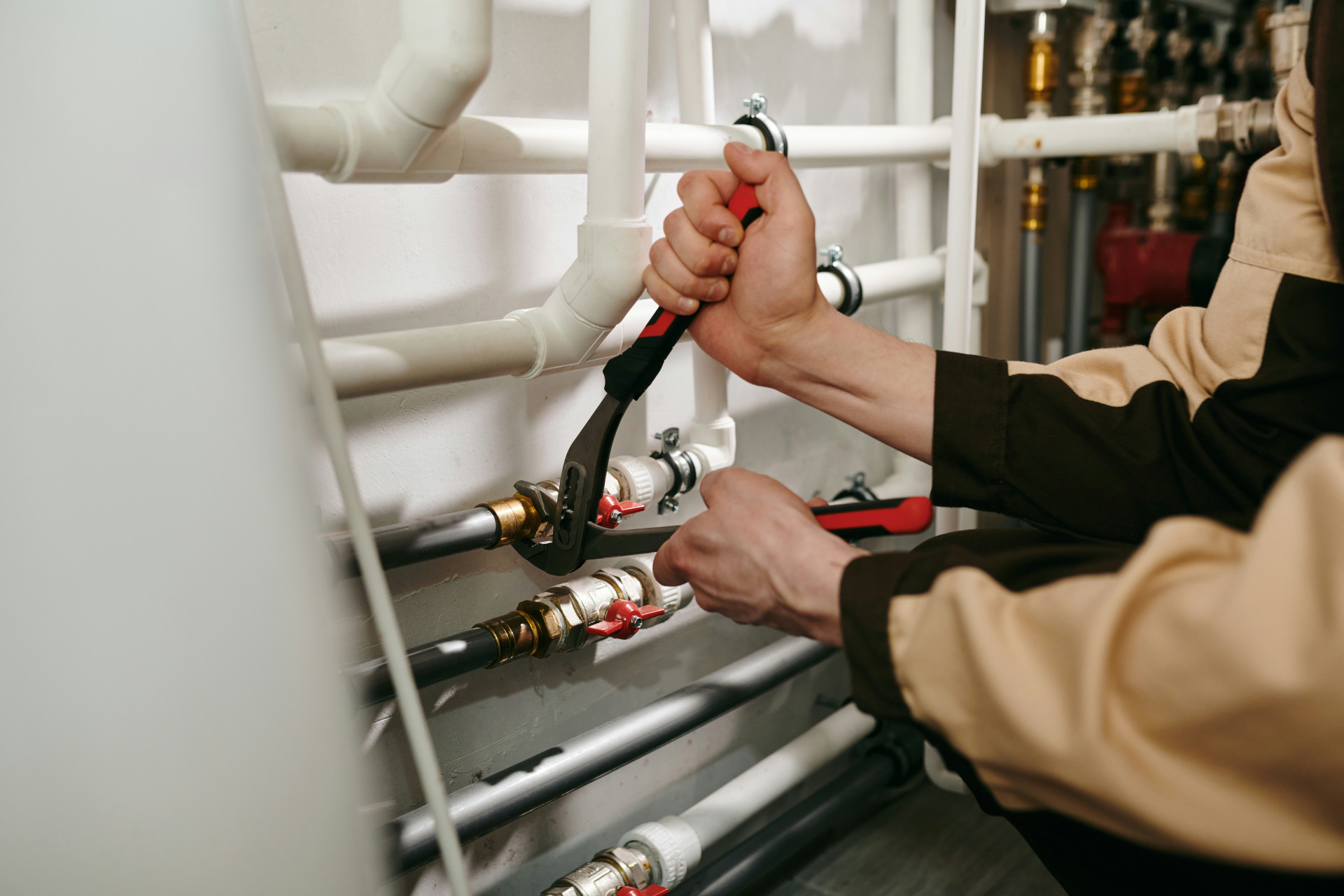
Old plumbing and electrical systems are hidden behind the walls of many Irish homes – and often only come to mind when something goes wrong. But worn-out pipes or outdated wiring can lead to leaks, water damage, electrical faults, or even fire. Knowing when to replace them can save you money, stress, and potential hazards. Here’s what to look out for and how to plan a safe upgrade.
How Long Do Pipes and Wiring Last?
The lifespan of pipes and wiring depends on materials, age, and maintenance. As a general guide:
- Galvanised steel water pipes: 30–50 years. They corrode from the inside and can cause discoloured water.
- Copper pipes: 40–60 years, though they may wear faster in areas with hard or acidic water.
- Plastic and PEX pipes: 50 years or more if properly installed.
- Cast iron waste pipes: 50–70 years, but they can crack or leak over time.
- Electrical wiring: 40–50 years, depending on type and load. Old rubber or fabric-insulated cables should always be replaced.
If your home was built before the 1970s and hasn’t had a major renovation, there’s a good chance both the plumbing and wiring are due for inspection or replacement.
Signs Your Pipes May Need Replacing
Watch for these warning signs that your plumbing may be past its best:
- Discoloured water – brown or yellow water can indicate rust in old steel pipes.
- Low water pressure – may be caused by corrosion or limescale build-up.
- Damp patches or mould – could signal small leaks behind walls or under floors.
- Unpleasant odours from drains – may point to cracked or blocked waste pipes.
If you notice any of these issues, contact a registered plumber. They can assess whether repairs are sufficient or if a full replacement is needed. In Ireland, plumbers registered with the RGI (Registered Gas Installers) or a recognised trade body are best placed to ensure the work meets safety standards.
Læs også:
Electrical Wiring – Safety First
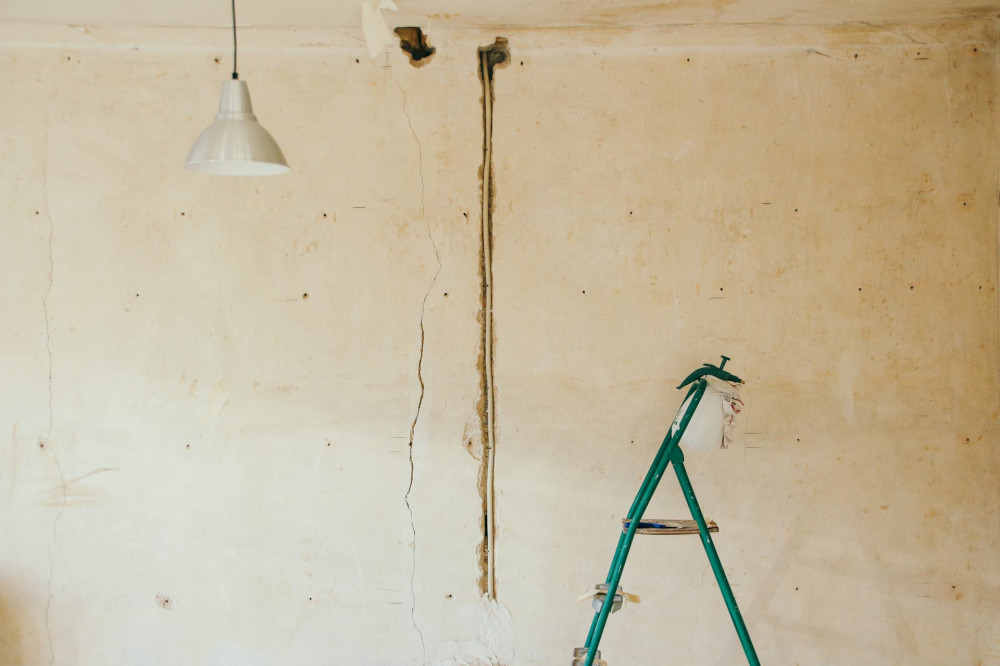
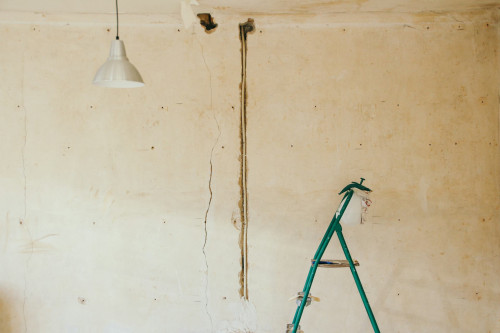
Old wiring can be a hidden danger. Homes built in the 1950s and 60s often used rubber or fabric-insulated cables, which become brittle over time. This increases the risk of short circuits or fire.
Look out for these signs that your wiring may need attention:
- Fuses or breakers trip frequently.
- Sockets or switches feel warm to the touch.
- You have no earth connection in outlets.
- Visible cables look frayed or cracked.
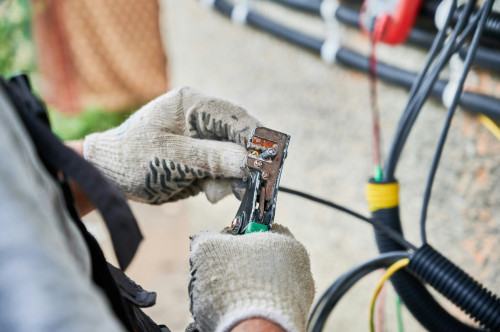
A registered electrician can carry out a full inspection and provide a report on what needs upgrading. In Ireland, electrical work should always be done by a Safe Electric-registered contractor. If you’re renovating, it’s often cost-effective to rewire while walls and floors are already open.
When Renovating – Plan Ahead
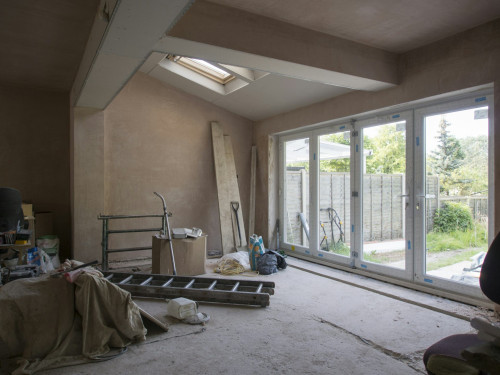
If you’re updating your kitchen, bathroom, or utility room, it’s the perfect time to check your pipes and wiring. Replacing them during renovation is far cheaper and less disruptive than opening up finished walls later.
Consider getting a home services condition report, which gives an overview of the state of your plumbing and electrics. It can help you prioritise what needs immediate attention and what can wait – a smart move for both safety and property value.
Maintenance and Prevention
While pipes and wiring won’t last forever, good maintenance can extend their life:
- Flush drains regularly with hot water to prevent grease and soap build-up.
- Avoid harsh chemicals that can damage pipes.
- Don’t overload electrical circuits with too many appliances.
- Have a professional inspection of plumbing and electrics every 10–15 years, especially in older homes.
Small maintenance steps can prevent major problems and costly repairs down the line.
An Investment in Safety and Value
Replacing old pipes and wiring might not be the most glamorous home project, but it’s one of the most important. Modern systems improve safety, efficiency, and comfort – and they add value to your property.
So if your home is showing its age, and it’s been decades since anyone checked behind the walls, now might be the time. Investing in new plumbing and wiring today could be the best decision you make for your home’s safety and future.
Læs også: