The right sofa size creates harmony in the living room

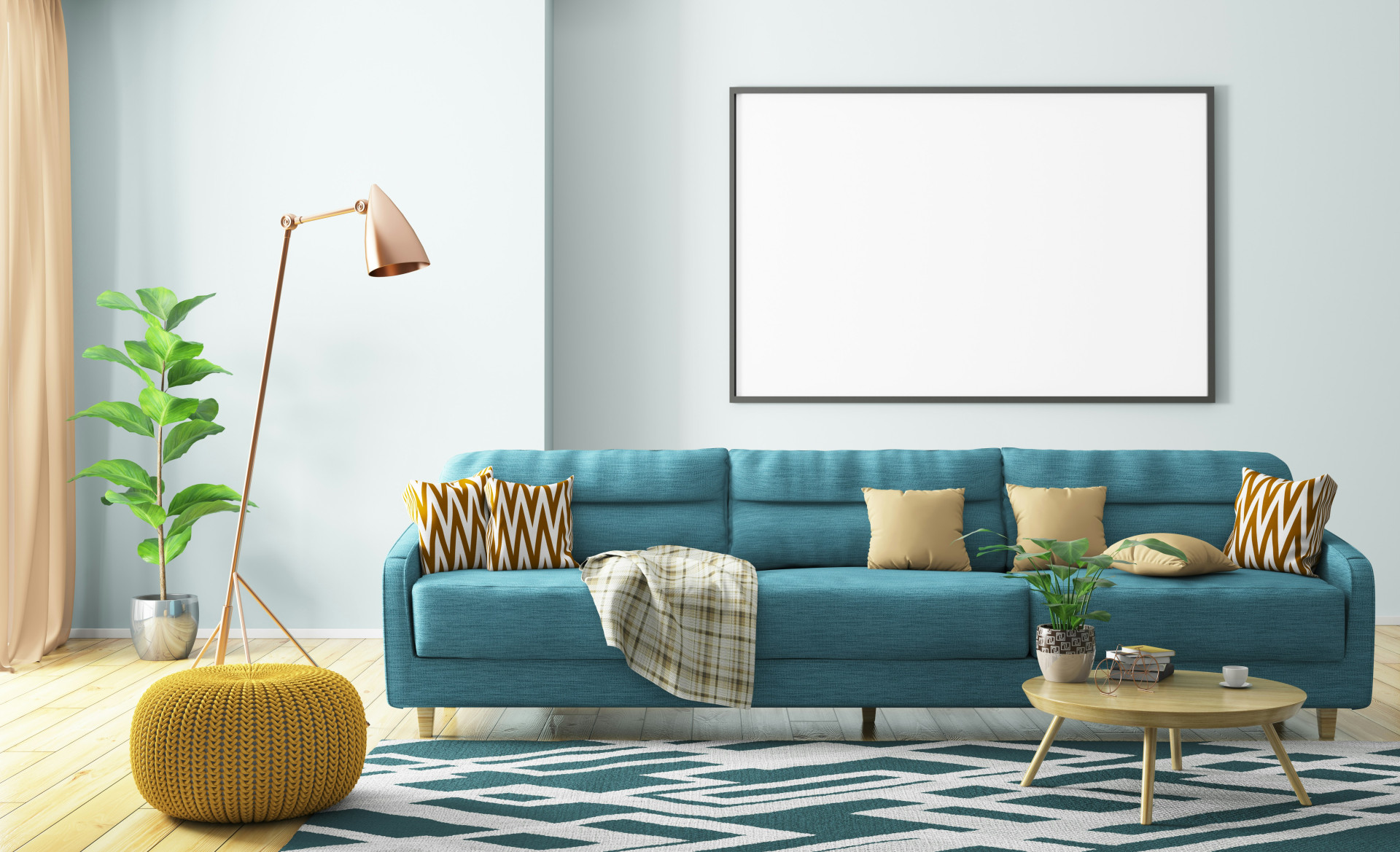
The right sofa size creates harmony in the living room
A sofa is often the heart of the living room – the place where we unwind, chat with friends, or gather for a family movie night. But even the most beautiful sofa can disrupt the balance of a room if it’s the wrong size. Choosing the right sofa size is not just about comfort; it’s about creating harmony and flow in your home. Here’s how to find the perfect fit for your Irish living room.
Start with the room’s proportions
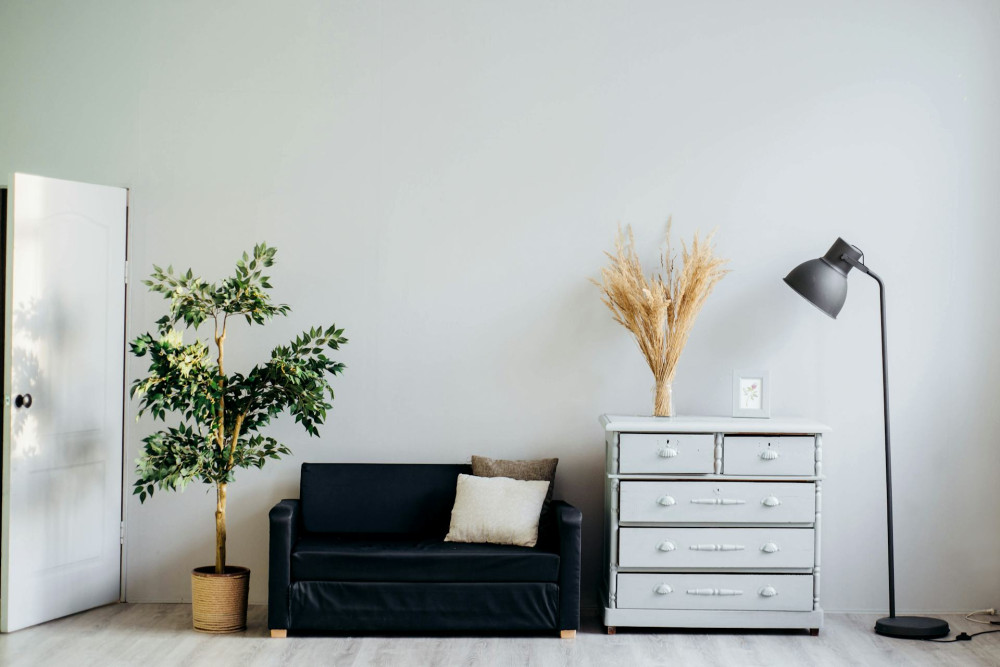
Before falling in love with a particular model, take a good look at your space. Irish homes vary widely – from compact city apartments to spacious countryside houses – and the sofa should suit the proportions of the room. A large corner sofa might look inviting in a showroom, but in a smaller sitting room it can easily dominate and make the space feel cramped. On the other hand, a small two-seater in a large open-plan area can look lost and unanchored.
A simple trick is to measure your room and mark the sofa’s intended footprint on the floor with masking tape. This gives you a realistic sense of how much space it will occupy, including walking areas and access to other furniture.
Think about how you use the space
Your lifestyle should guide your choice of sofa size. Is your living room a family hub, a quiet retreat, or a space for entertaining guests?
- For families, a generous corner or modular sofa offers plenty of seating for everyone.
- For smaller households, a 2- or 3-seater combined with an armchair or pouffe can provide flexibility.
- For guest-friendly homes, a sofa bed can be a smart way to make the most of limited space.
When the sofa fits your daily routines, it becomes a natural part of your life rather than an obstacle in the room.
Create balance with the surroundings
A sofa should complement the rest of the room, not compete with it. Consider how it interacts with your coffee table, rug, lighting, and other furniture. As a rule of thumb, leave at least 60–80 cm of clear space in front of the sofa to allow easy movement and a sense of openness.
If your living room has high ceilings or large windows – common in many period Irish homes – a low-profile sofa can enhance the airy feel. In smaller rooms, a sofa with raised legs can make the space appear lighter by allowing light to flow underneath.
Læs også:

Colour and material influence perception
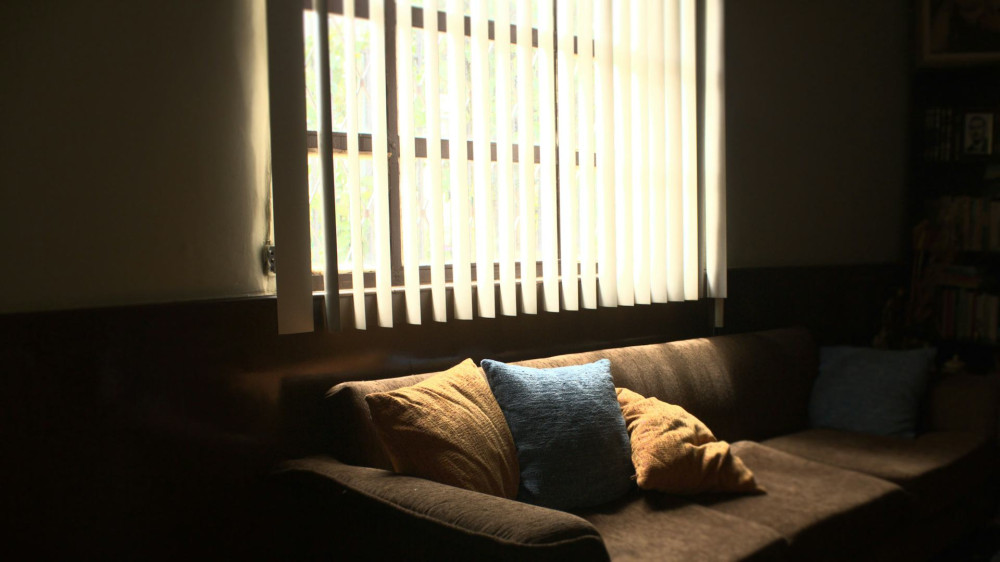
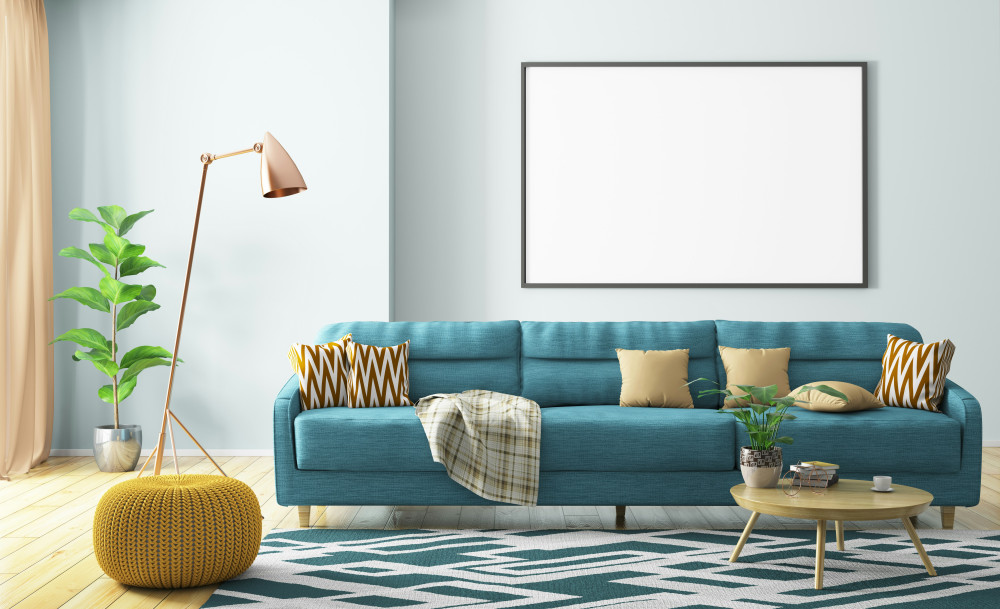
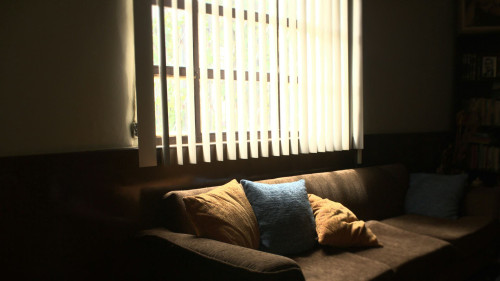
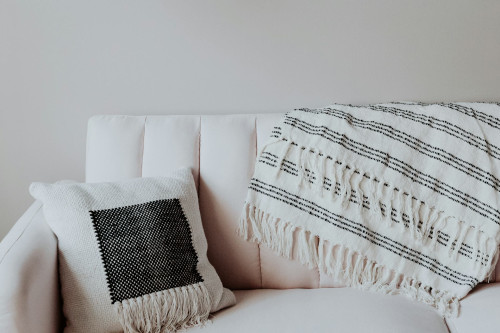
The colour and texture of your sofa can change how big or small it appears. Dark tones add depth and cosiness but can make the sofa seem larger. Lighter shades, soft fabrics, and textured weaves can make it feel more subtle and integrated into the room.
Material also matters: leather tends to look more solid and structured, while fabric sofas often blend more gently with their surroundings. For a harmonious look, you can match the sofa’s tone with your walls and flooring – or use it as a contrasting statement piece if you want a focal point.
Use zoning to define the space
In many Irish homes, especially open-plan layouts, the living room often shares space with the dining area or kitchen. The sofa’s size and placement can help define these zones. A larger sofa positioned centrally can mark the boundary between living and dining areas, while a smaller model against the wall can open up the floor and make the room feel more spacious.
By thinking of the sofa as part of the room’s structure, you can create a natural sense of order where function and aesthetics work together.
The right sofa brings calm and cohesion
When your sofa suits both your space and your lifestyle, the whole room feels more balanced. Movement becomes easier, the atmosphere more relaxed, and the design more cohesive. It’s not about choosing the biggest or most eye-catching model, but the one that ties everything together – visually and practically.
A well-chosen sofa is more than just a piece of furniture; it’s the anchor that brings harmony to your living room and comfort to your everyday life.
Læs også: