Avoid Unnecessary Replacement – Maintain Your Sofa Properly


Avoid Unnecessary Replacement – Maintain Your Sofa Properly
A sofa is often the heart of a home – a place to relax, chat, and unwind after a long day. But because it’s used so frequently, it’s also exposed to wear, stains, and sagging. With the right care, you can extend your sofa’s lifespan significantly and avoid the cost and hassle of replacing it too soon. Here’s a practical guide for Irish households on how to keep your sofa looking and feeling its best, whether it’s fabric, leather, or microfibre.
Know Your Material
Before you start cleaning or treating your sofa, it’s essential to know what it’s made of. Different materials require different care.
- Fabric sofas: Most fabric sofas can be vacuumed and spot-cleaned, but always check the manufacturer’s label first. Some covers are removable and machine-washable, while others should only be dry-cleaned.
- Leather sofas: Leather needs special care products to stay supple and prevent cracking. Avoid using standard cleaning sprays or wipes, as they can damage the surface.
- Microfibre: This durable material is easy to maintain and can usually be cleaned with a damp cloth. For tougher stains, use a mild soap solution and blot gently.
Knowing your material is the first step to proper maintenance – and to preventing damage that could have been avoided.
Clean Regularly
Dust, crumbs, and pet hair can quickly build up and wear down the fabric. A weekly vacuum with a soft brush attachment helps keep your sofa fresh. Don’t forget to get into the crevices and under the cushions.
If you have pets, a lint roller or a slightly damp rubber glove can work wonders for removing hair. For fabric sofas, consider using a fabric cleaner once or twice a year – but always test it on a hidden area first.
For leather sofas, wipe the surface with a slightly damp cloth and follow up with a leather conditioner. This keeps the leather hydrated and prevents cracking.
Treat Stains Carefully
Accidents happen – but quick and careful action can save your sofa from permanent marks. The golden rule is blot, don’t rub. Use a clean, damp cloth and work from the outside of the stain inward to avoid spreading it.
- Grease stains: Sprinkle a little cornflour or baking soda on the spot, let it absorb the grease, and then vacuum it off.
- Wine or coffee: Blot immediately with cold water and a clean cloth. Avoid heat, as it can set the stain.
- Ink or marker: Dab gently with a cotton bud dipped in rubbing alcohol – but test first, as it may affect the colour.
The sooner you act, the better your chances of removing the stain completely.
Rotate and Air the Cushions
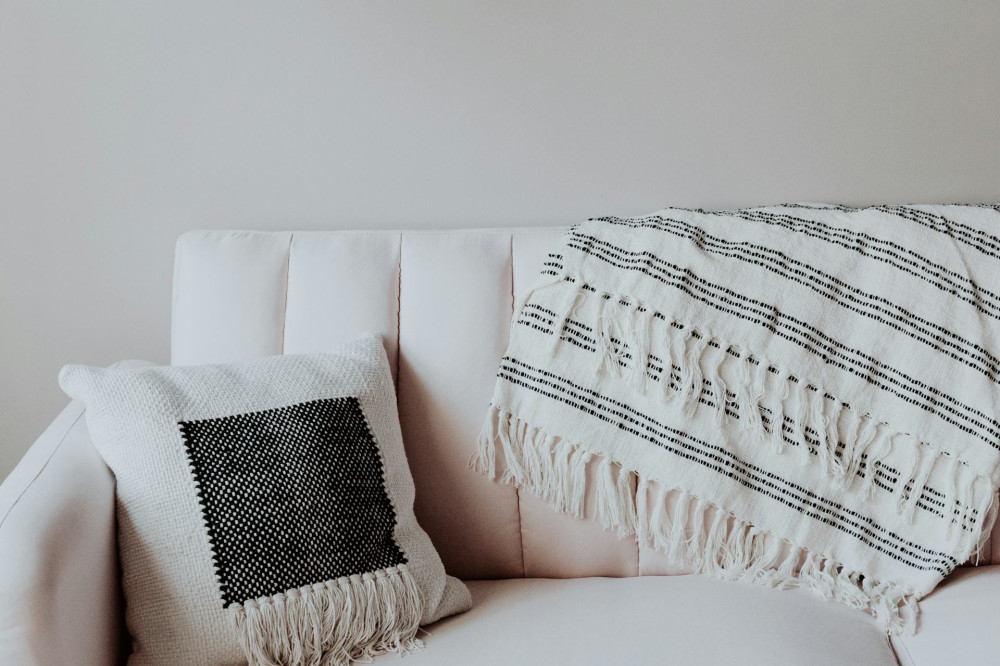
Cushions lose their shape over time, especially if the same spots are used every day. Rotate and flip them regularly to distribute wear evenly and maintain comfort. If your cushions have removable covers, take the opportunity to air both the covers and the fillings outdoors a few times a year. This helps remove odours and moisture, giving your sofa a fresh feel.
Protect from Sun and Heat
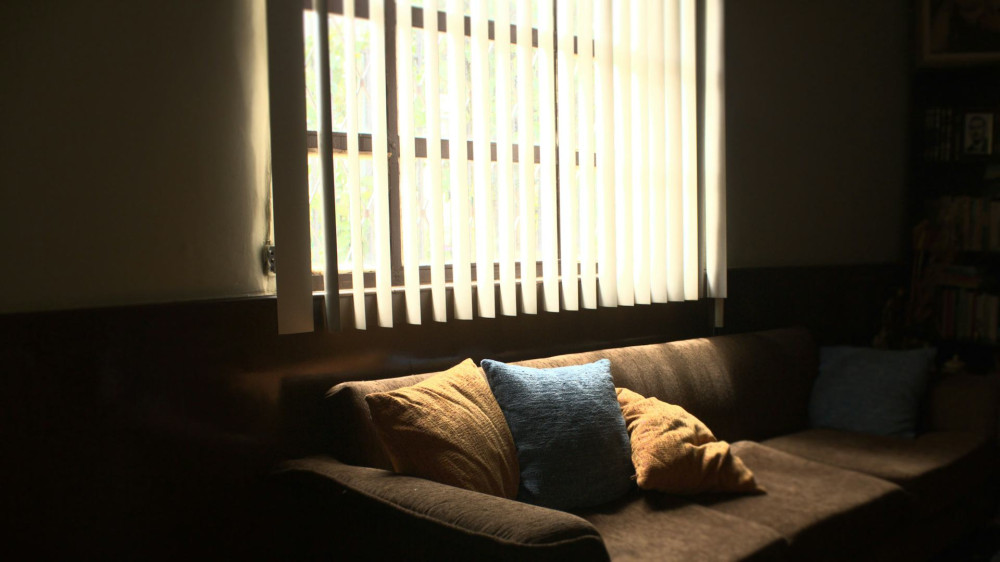
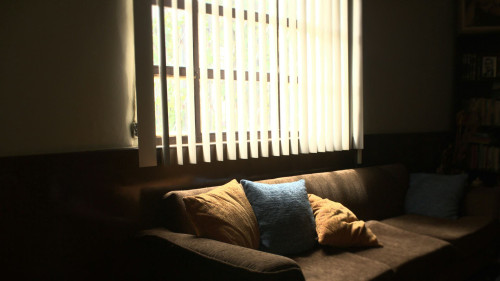
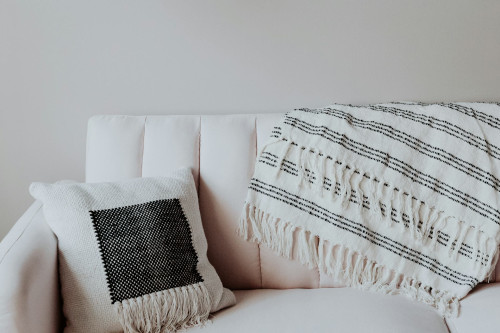
Direct sunlight can cause colours to fade, and heat from radiators or fireplaces can dry out both fabric and leather. Try to position your sofa away from strong sunlight or heat sources. If that’s not possible, use curtains, blinds, or a light throw to protect the surface.
Læs også:


Consider Fabric Protection
A good fabric protector can make a big difference – especially for fabric sofas. It creates an invisible barrier that helps repel spills and dirt before they soak in. Many furniture shops in Ireland offer professional fabric protection, but you can also buy spray products to apply yourself. Just make sure the product suits your sofa’s material.
Small Habits, Big Results
Caring for your sofa isn’t just about deep cleaning – it’s about everyday habits. Avoid eating greasy snacks on the sofa, use throws if you have pets, and keep the room well-ventilated to prevent musty smells. These small steps add up to a big difference over time.
A Sofa That Lasts – and Saves You Money
A well-maintained sofa can easily last twice as long as one that’s neglected. That means saving money on replacements and reducing waste – a win for both your wallet and the environment. With a little regular care, your sofa can remain a comfortable and inviting centrepiece in your home for many years to come.
Læs også: