The quality of a sofa is measured in everyday use

The quality of a sofa is measured in everyday use
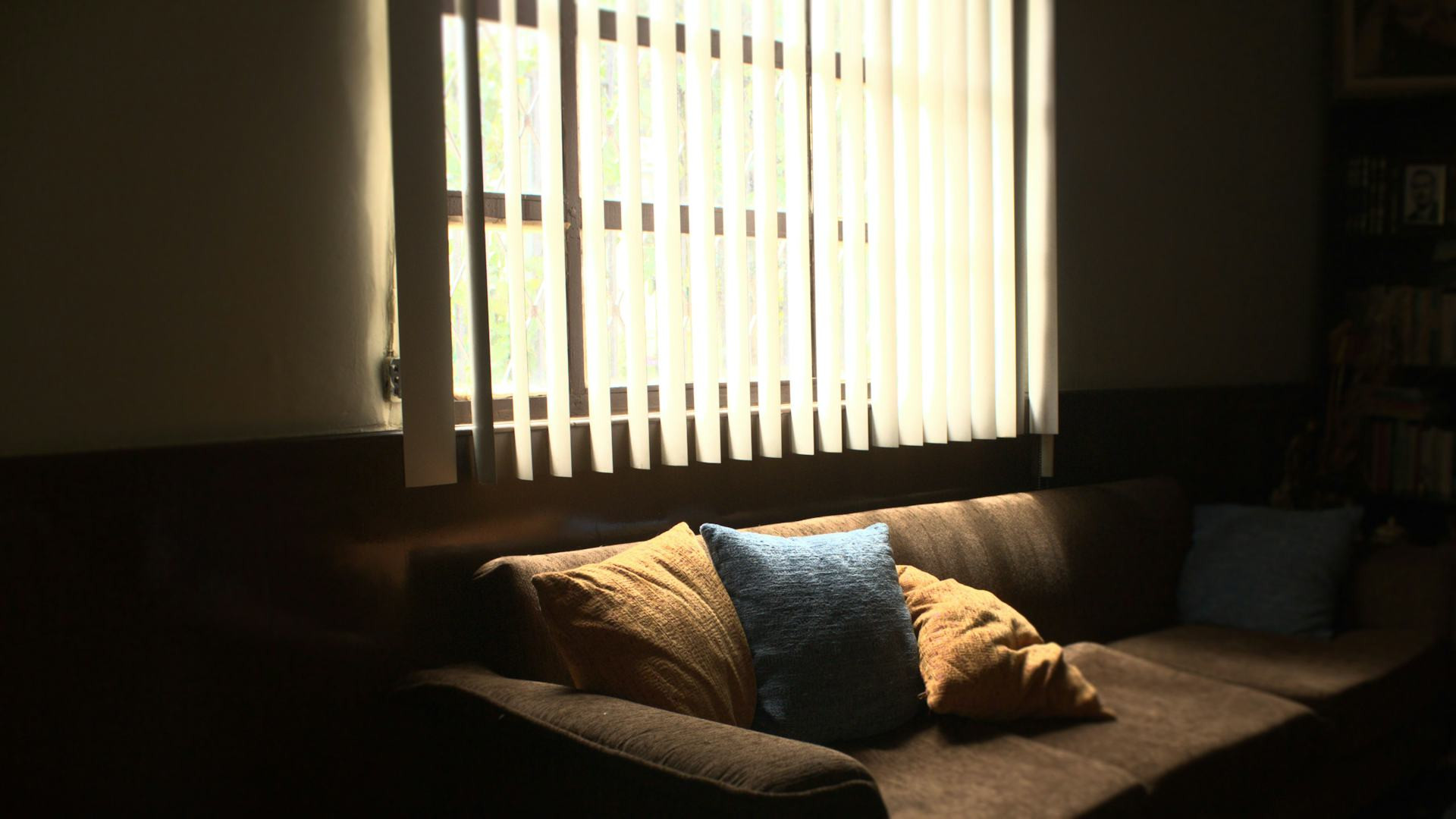
When buying a sofa, it’s easy to be drawn in by its design, colour, and texture. But true quality only reveals itself once the sofa becomes part of your daily life. That’s when it must prove whether it can handle movie nights, family gatherings, pets, and lazy Sundays – day after day. The quality of a sofa isn’t just about how it looks, but how it feels, functions, and lasts over time.
Comfort that lasts
A sofa should be comfortable from the first moment – and still be so years later. Many sofas feel soft and inviting in the showroom but quickly lose their shape if the padding or springs aren’t of good quality. A solid frame made from hardwood, combined with durable springs and high-density foam, provides both support and flexibility. Comfort is personal: some prefer firm support, while others enjoy a softer, more enveloping feel.
When testing a sofa, sit as you would at home – stretch out, lean back, and see how it supports your body. A sofa that feels good for five minutes should still feel good after two hours.
Materials that stand up to life
Everyday life leaves its marks, so the fabric or leather you choose is crucial for how long your sofa stays beautiful.
- Fabric sofas come in countless options, but choose a hard-wearing material with a high rub count (over 20,000 Martindale for daily use). Removable, washable covers make cleaning much easier.
- Leather sofas are easy to wipe down and often develop a lovely patina over time, but they need regular care to prevent drying and cracking.
- Microfibre and velvet can add a touch of luxury, though they may be more sensitive to stains and wear.
Think about your lifestyle: if you have children or pets, darker colours and durable fabrics are practical choices. In Ireland’s damp climate, breathable materials can also help prevent mustiness and make maintenance easier.
Construction and craftsmanship
A high-quality sofa is built to last. Look closely at the details – the joints, stitching, and how the legs are attached. A sturdy construction ensures the sofa won’t creak or wobble after a few months. The frame should ideally be made from hardwood such as oak or beech, and the springs evenly distributed to support weight consistently. Cushion foam should have the right density – too soft and it sags, too firm and it feels uncomfortable.
Good craftsmanship isn’t always visible at first glance, but you’ll feel it over time. A well-made sofa keeps its shape and comfort even after years of use.
Design that fits your lifestyle
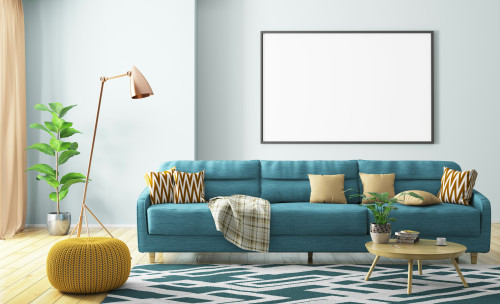
While quality is about durability, design also matters. A sofa should suit your home and how you live. A large corner sofa might be perfect for a family home, while a compact two-seater fits better in an apartment or townhouse. Think about how you’ll use it: will it host guests, double as a bed, or simply be your favourite spot to unwind?
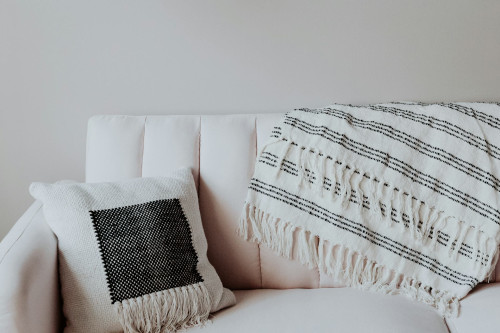
A timeless design in neutral tones often lasts longer – both in style and in use. You can always refresh the look with cushions and throws, but the sofa itself should be a stable centrepiece in your living room.
Maintenance – the key to longevity
Even the best sofa needs a bit of care. Vacuum regularly to remove dust and crumbs, and rotate the cushions so they wear evenly. Leather should be treated with conditioner a few times a year, while fabric sofas benefit from stain protection and gentle cleaning.
Small habits make a big difference: avoid sitting on the arms, and keep the sofa out of direct sunlight to prevent fading. With proper care, a quality sofa can stay beautiful for many years – becoming a piece that grows with you through different stages of life.
Læs også:

Quality you can feel – not just see
Ultimately, the quality of a sofa is about more than materials and construction. It’s about how it fits into your everyday life. A high-quality sofa is the one you look forward to sinking into after a long day – the one that stands up to guests, children, and relaxation without losing its shape or charm.
When choosing a sofa, don’t just think about how it looks in the shop. Think about how it will feel in your home five years from now. The best sofa is the one that becomes a natural part of your daily life – and still feels just as good as the day you bought it.
Læs også: