Take Good Care of the Playhouse – How to Ensure Safe Play for the Little Ones


Take Good Care of the Playhouse – How to Ensure Safe Play for the Little Ones
For many children, a playhouse in the garden is a magical little world of its own – a place for imagination, creativity, and endless adventures. But to make sure playtime stays safe and carefree, the playhouse needs to be well built, properly maintained, and thoughtfully arranged. Here’s a guide to keeping your playhouse safe and sound for the smallest members of the family.
Start with a solid foundation
A playhouse should stand firm and dry. Make sure it’s placed on a level surface – paving slabs, gravel, or pressure-treated posts are ideal, as they prevent moisture from seeping into the wood. This helps the structure last longer and stay stable.
Check that the playhouse is level and that the door opens and closes smoothly without sticking or pinching. A tilted or wobbly playhouse can quickly become unsafe, especially if children like to climb on it.
Inspect for sharp edges and loose parts
Before the children move in, give the playhouse a thorough inspection. Feel along the walls and edges for splinters, sharp corners, or nails that stick out. Sand down rough surfaces and hammer or screw in any loose fittings. If the playhouse is painted, make sure the paint isn’t flaking – particularly if it’s an older structure that may have been coated with unsuitable materials.
Don’t forget to check the roof, balcony, or steps if there are any. Loose boards or unstable railings should be repaired immediately.
Choose safe materials and paint
When maintaining or repainting the playhouse, use materials that are safe for children. Opt for water-based, low-VOC paints and wood treatments that are certified for outdoor use. These are better for both the environment and your child’s health.
If you’re building a new playhouse, use pressure-treated timber for the base to protect against damp, but avoid it on surfaces that children touch directly. For walls and interiors, untreated or painted wood is a safer choice.
Keep an eye on wear and weather damage
Irish weather can be tough on outdoor structures – rain, frost, and wind all take their toll. At least once a year, inspect the playhouse for signs of rot, cracks, or loose parts. After winter, it may need a fresh coat of paint or oil to protect the wood from moisture.
Check the roof carefully, especially if it’s covered with felt or plastic panels. Small leaks can quickly turn into bigger problems if water gets inside.
Furnish with care
The inside of the playhouse should be cosy but safe. Avoid heavy furniture that could tip over, and make sure there’s nothing children can climb on and fall from. Soft rugs, cushions, and lightweight plastic furniture are great options that can easily be moved around.
If you add curtains or fabrics, choose flame-retardant materials. And remember – small children shouldn’t have access to electrical fittings. Avoid plug-in lamps unless they’re securely installed and rated for outdoor use.
Læs også:




Make the surroundings safe too
Safety doesn’t stop at the playhouse walls. Keep the area around it clear of stones, tools, or garden equipment that could cause trips or falls. If the playhouse is raised, install a railing or barrier to prevent falls.
Think about the sun as well. A playhouse in full sunlight can get very warm on summer days, so a bit of shade from a tree or parasol can make playtime more comfortable.
Turn maintenance into a family activity
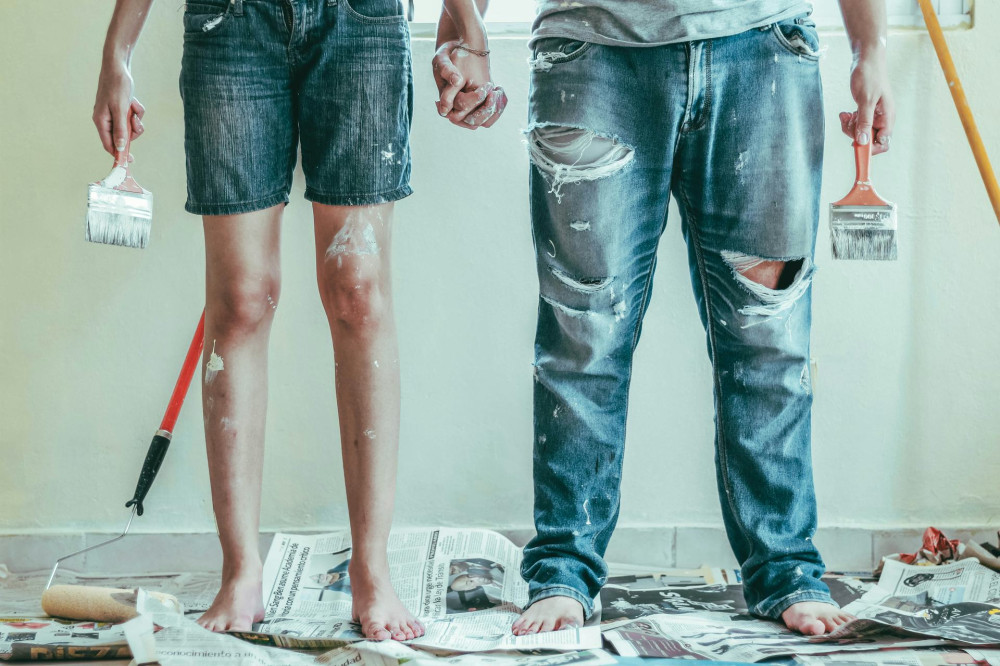
Looking after the playhouse can be a fun family project. Let the children help with painting, sweeping, or decorating – it gives them a sense of ownership and teaches them to care for their things. At the same time, you can check that everything is still safe and in good condition.
A playhouse that’s cared for and loved will last longer – and become a place where memories grow alongside the children.
Safe play begins with care
A playhouse is more than just a small structure in the garden – it’s a space for learning, imagination, and joy. With a bit of maintenance, safe materials, and attention to detail, you can create a secure and inspiring place where children can play freely and safely for years to come.
Læs også: