See the Potential: How to Assess Your Home’s Future Opportunities


See the Potential: How to Assess Your Home’s Future Opportunities
When you look at your home, you might first notice what’s there right now – the rooms, the garden, the location. But behind what you see lies a world of potential. Perhaps your house could be extended, made more energy-efficient, or redesigned to suit your lifestyle better. Assessing your home’s future opportunities is about looking beyond the present and thinking in terms of development. Here’s a guide to help you get started.
Understand Your Home’s Starting Point
Before you can decide what’s possible, you need to understand your home’s current condition and the rules that apply to it. This includes both physical and legal aspects.
- Structural condition: Consider having a building survey carried out by a qualified professional. This will give you a clear picture of what needs maintenance and where improvements could add value.
- Planning regulations: Check your local authority’s planning guidelines. In Ireland, each county and city council has its own development plan, which may include restrictions on height, extensions, or exterior changes.
- Energy performance: Review your Building Energy Rating (BER) certificate. It can highlight where you could save most on energy costs and reduce your carbon footprint.
Once you know your starting point, it becomes easier to see where the potential lies.
Think About Function and Life Stages
A home should evolve with your life. Maybe you have young children now, but in ten years your needs will be very different. Consider how your home can adapt to future life stages.
- Could a child’s bedroom later become a home office or guest room?
- Is there space to create a self-contained area for a teenager or a relative?
- Could you adapt the ground floor for single-level living in the future?
Building flexibility into your home makes it more practical for you and more appealing to future buyers.
Make Better Use of Space
Unlocking potential doesn’t always mean building more – often it’s about using what you already have more effectively. Look at how your rooms work day to day.
- Attic and basement: Could they be converted? A dry basement might become a utility or hobby room, while an insulated attic could add valuable living space.
- Layout: Small changes, such as removing a wall or repositioning a doorway, can create more light and flow.
- Outdoor areas: A patio, sunroom, or covered deck can extend your living space and make your home more enjoyable year-round.
Even modest adjustments can make a big difference in how your home feels and functions.
Energy Upgrades as an Investment
Energy improvements are not only good for the environment – they can also increase your home’s value and reduce running costs. Think about where you’ll get the best return.
- Replacing old windows and doors can significantly reduce heat loss.
- Adding insulation to the attic or external walls improves comfort and efficiency.
- Installing a heat pump or solar panels can make your home more self-sufficient.
In Ireland, you may be eligible for grants through the Sustainable Energy Authority of Ireland (SEAI) for certain upgrades, making these projects more affordable.
Læs også:

Consider the Location – and Its Future
Your home’s potential isn’t just about the building itself; it’s also about what’s happening around it. Research how your area is expected to develop.
- Are there plans for new schools, transport links, or green spaces that could boost the area’s appeal?
- How have property prices in your neighbourhood evolved in recent years?
- Are there demographic trends – such as more families or downsizers – that could influence demand?
Understanding the local context helps you decide whether it’s worth investing in major improvements.
Get Professional Advice
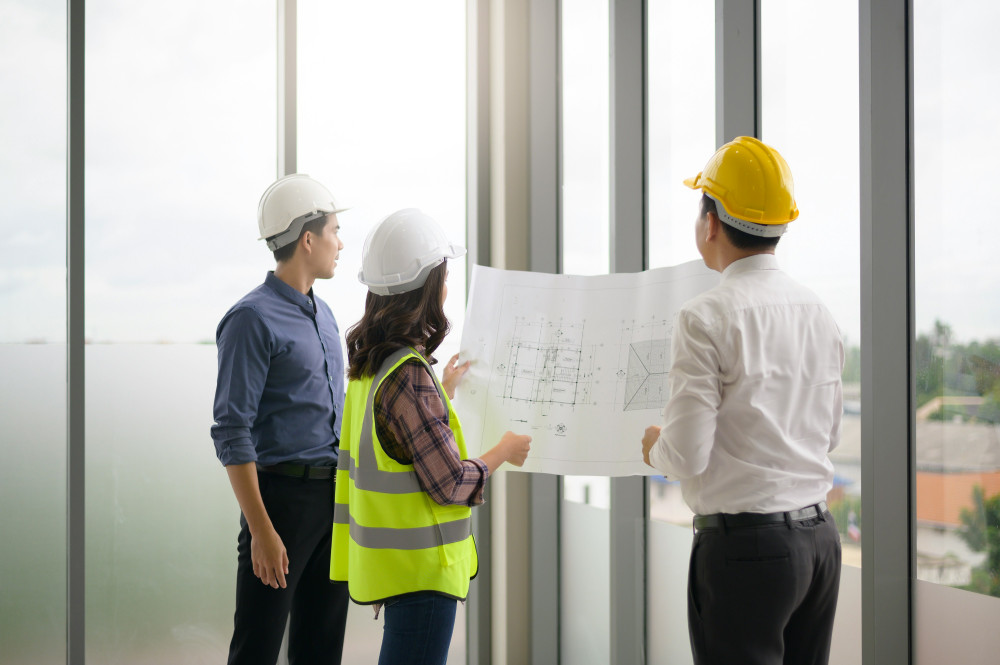
While you can do a lot of research yourself, professional guidance can be invaluable. An architect, surveyor, or estate agent can give you a realistic view of what’s feasible and worthwhile.
An architect can help you reimagine your layout or design an extension that complements your home’s character, while an estate agent can advise how changes might affect market value. Together, they can help you make informed decisions.
See the Potential – and Plan in Stages
Realising your home’s potential doesn’t have to happen all at once. Create a phased plan, prioritising the projects that deliver the most value first. Think long-term, so each improvement fits into an overall vision.
By developing your home step by step, you can enhance both its comfort and its value – turning it into a place that grows with you and continues to meet your needs for years to come.
Læs også: