Sewer Inspection for New Builds – Why Might It Be Necessary?

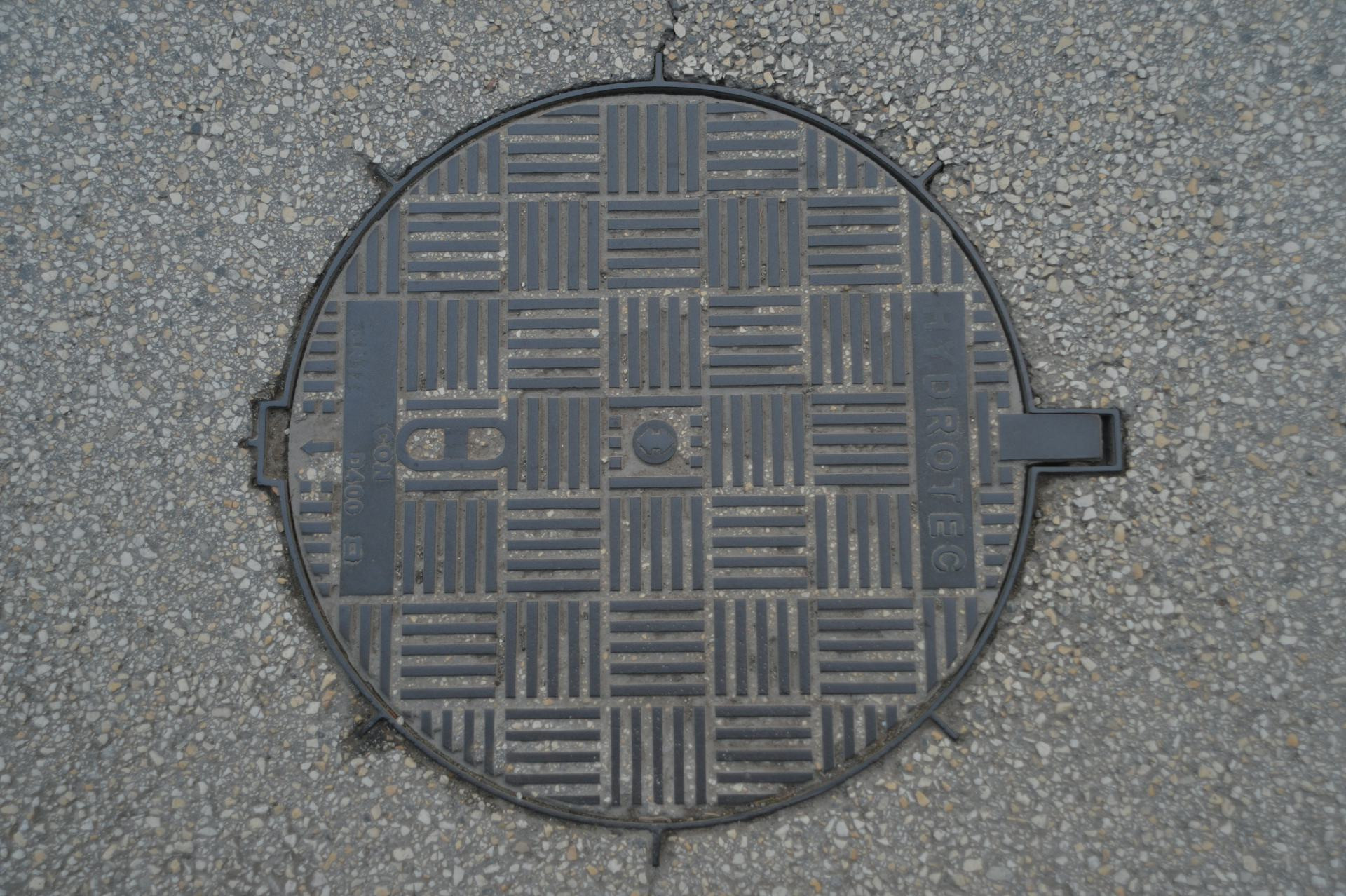
Sewer Inspection for New Builds – Why Might It Be Necessary?
When building a new home, there are countless details to manage – from foundations and roofing to electrics and drainage. The sewer system might not be the most exciting part of the project, but it plays a crucial role in ensuring your home functions smoothly for years to come. A sewer inspection may seem unnecessary when everything is brand new, but in reality, it can be both a wise and cost-effective step. Here’s why a sewer inspection for new builds in Ireland might be worth considering.
What Is a Sewer Inspection?
A sewer inspection is a detailed examination of the drainage system, usually carried out using a CCTV camera that travels through the pipes and connections. The inspection helps identify any defects, blockages, or poor workmanship that could cause problems later on. This might include cracked pipes, misaligned joints, or incorrect gradients that prevent proper flow.
For new builds, a sewer inspection acts as a quality check to confirm that the drainage installation has been completed correctly before the property is handed over. It’s an opportunity to catch issues early, while they’re still easy to fix.
Why Is It Relevant for New Builds?
It’s easy to assume that a brand-new drainage system will be flawless – but that’s not always the case. Mistakes can occur during installation, or pipes can be damaged during the construction process. Heavy machinery, ground movement, or backfilling can all affect the integrity of the system before the house is even occupied.
A sewer inspection can therefore:
- Identify installation errors, such as poorly sealed joints or pipes laid at the wrong slope.
- Prevent future issues, including blockages, leaks, or damp problems around the foundation.
- Provide documentation of the system’s condition, which can be useful for warranties, insurance, or disputes with contractors.
In short, a small investment in an inspection can prevent major expenses and disruption later on.
When Should the Inspection Be Carried Out?
The ideal time for a sewer inspection is before the ground is fully backfilled and before the property is signed off. At this stage, any faults can be corrected without the need for costly excavation.
Some homeowners also choose to have a follow-up inspection a year or two after moving in, especially if they’ve noticed slow drains or unpleasant odours. This can provide reassurance that everything is still functioning as it should.
Læs også:
Who Can Carry Out a Sewer Inspection?
In Ireland, sewer inspections should be performed by qualified drainage contractors or engineers with the appropriate equipment and expertise. They use CCTV technology to record the condition of the pipes and can provide a detailed report with images and recommendations. This report can serve as valuable evidence if any issues arise later under the builder’s warranty or insurance claim.
Part of a Comprehensive Quality Check
New builds go through numerous inspections and certifications, but the drainage system is often overlooked because it’s hidden underground. A sewer inspection is an important part of the overall quality assurance process, ensuring that your home is not only visually appealing but also technically sound.
It’s similar to checking your electrical or plumbing systems – you might not see them every day, but they’re essential to the comfort and safety of your home.
Peace of Mind in Your New Home
Building a new home is a major investment, and no one wants unpleasant surprises after moving in. A sewer inspection provides peace of mind that everything beneath the surface is in good working order. It’s a small step that can help you enjoy your new home with confidence, knowing that your drainage system is built to last.
Læs også: