Drainage and Water Balance – How to Avoid Damaging Your Garden

Drainage and Water Balance – How to Avoid Damaging Your Garden
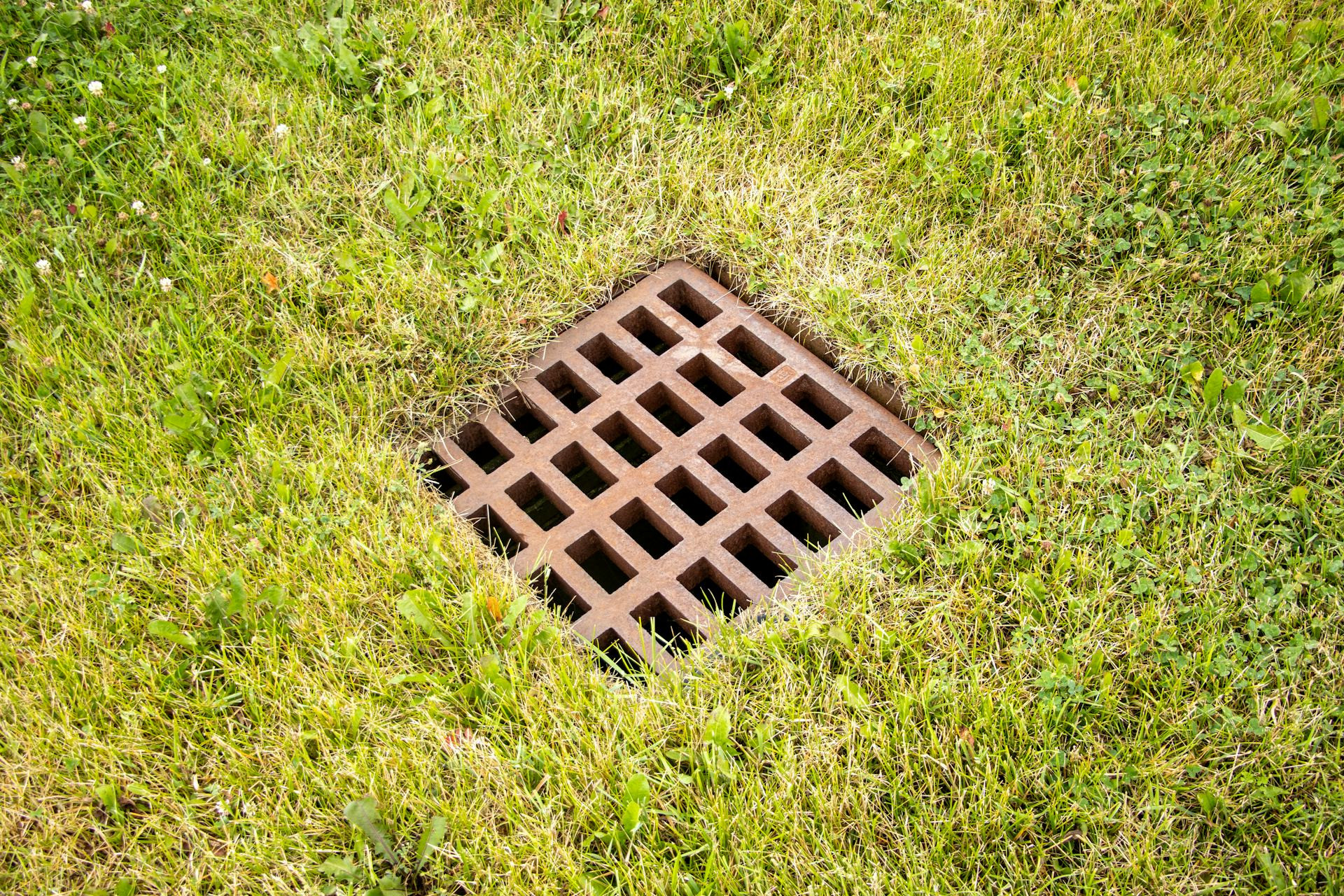
A well‑designed drainage system can make the difference between a thriving garden and a waterlogged lawn. But drainage isn’t just about getting rid of water – it’s equally about maintaining the right water balance in the soil. Too much water can suffocate roots, while too little can dry them out and harm the garden’s ecosystem. Here’s a guide to understanding, maintaining, and improving your garden’s drainage – without harming the environment around it.
Why Drainage Matters in Irish Gardens
Ireland’s mild, wet climate means that rain is a constant companion. Many gardens sit on heavy clay soils that hold water, and frequent showers can leave lawns soggy for days. Poor drainage can lead to:
- Root damage – plants and grass suffer from lack of oxygen in waterlogged soil.
- Moss and algae – damp conditions encourage moss growth and weaken grass.
- Frost damage – trapped water expands when frozen, harming roots and paving.
- Structural issues – standing water near walls or foundations can cause dampness and cracks.
A good drainage system helps move excess water away from problem areas – but it must be done carefully to avoid drying out the soil too much.
Læs også:
Finding the Right Water Balance
Over‑draining is a common mistake. When soil becomes too dry, it loses its natural moisture and the microorganisms that keep it healthy die off. This can lead to poor plant growth and an increased need for watering.
The goal is balance: the soil should absorb rainwater but also release it gradually. A good drainage system doesn’t remove all water – it simply prevents excess water from lingering.
A few key points to remember:
- Don’t install drainage just because puddles appear after heavy rain – that can be normal.
- Consider your soil type: sandy soils drain quickly, while clay soils need more help.
- Combine drainage with sustainable solutions like rain gardens or soakaways, so water stays in your garden where it can benefit plants.
How to Check if Your Garden Needs Drainage
Before you start digging, find out whether drainage is really necessary. You can test it in a few simple ways:
- Dig a hole about 50 cm deep and fill it with water. If the water is still there after 24 hours, your soil drains poorly.
- Observe after rainfall – if water remains on the lawn for more than two days, you may have a problem.
- Inspect your house – damp patches on walls or in basements can indicate poor drainage around the property.
If you’re unsure, it’s worth consulting a professional landscaper or drainage specialist. Poorly installed systems can cause more harm than good.
Types of Drainage Systems
Different gardens require different solutions depending on soil type, slope, and rainfall patterns:
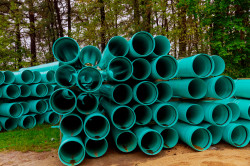
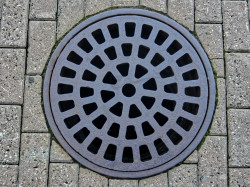
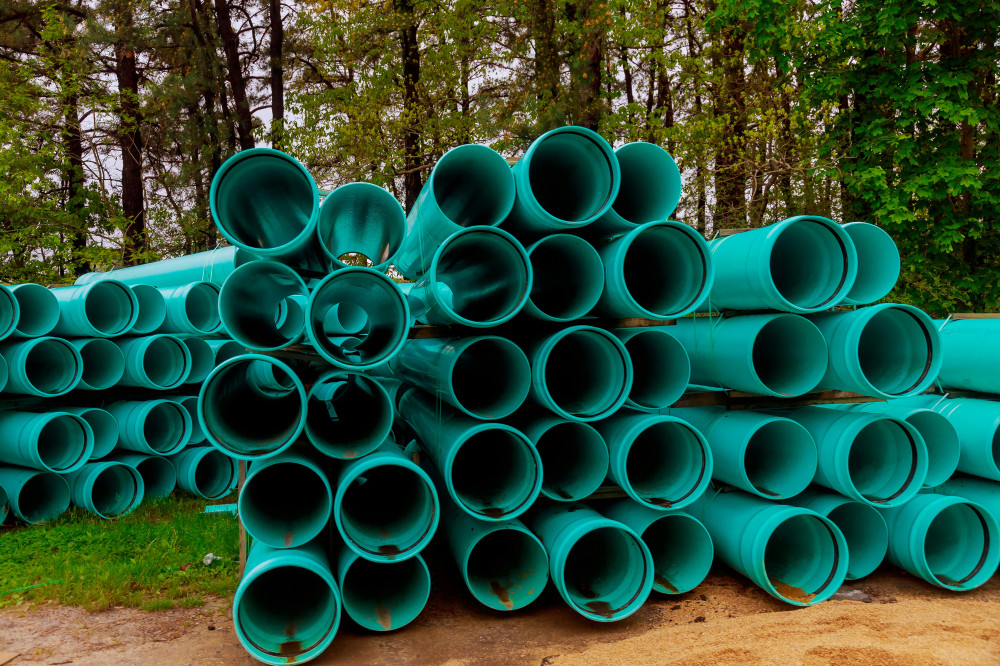
- Traditional pipe drainage – perforated pipes buried underground carry water to a soakaway or outlet.
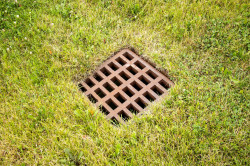
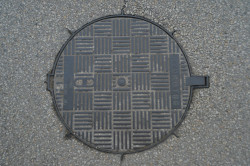
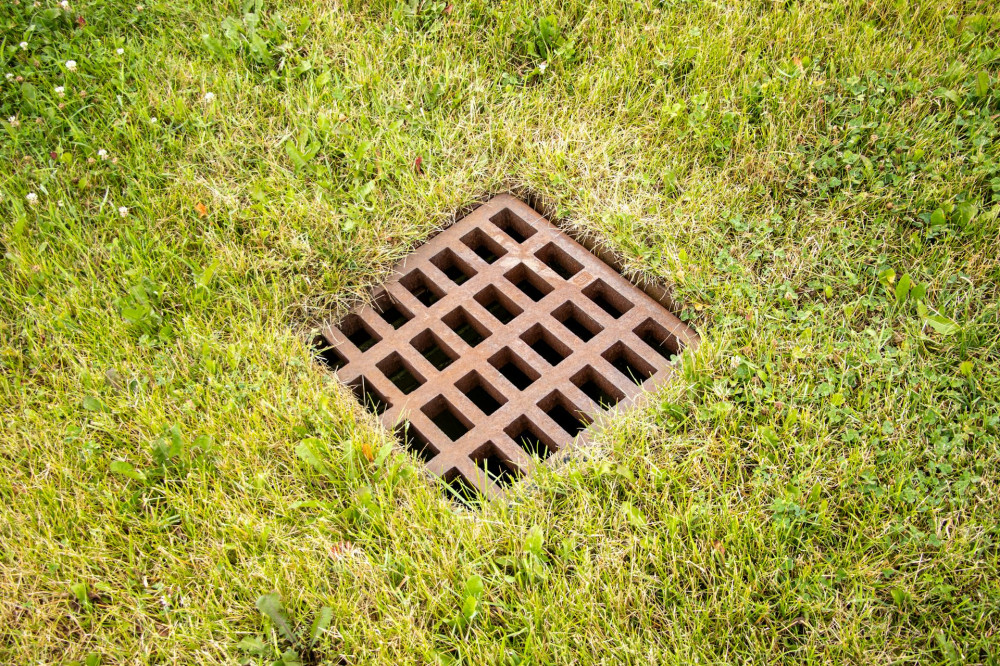
- Surface drainage – shallow channels or gullies collect rainwater from patios and paths.
- Rain garden – a shallow, planted area that collects runoff from roofs or driveways and allows it to soak into the ground.
- Soakaway – an underground gravel‑filled pit that stores rainwater and lets it slowly seep into the soil.
Rain gardens and soakaways are particularly good options for Irish gardens, as they help manage heavy rainfall while keeping water within the local ecosystem.
Maintaining Your Drainage System
Even the best drainage system needs regular care to stay effective. Over time, soil, leaves, and roots can block pipes and reduce flow.
- Clean gullies and inspection chambers at least once a year.
- Check that water flows freely from outlets after heavy rain.
- Avoid planting trees with aggressive roots near drainage pipes.
- If the system stops working properly, it may need flushing or partial replacement.
Environmental Considerations and Regulations
Changing how water flows through your garden can affect the wider environment. In Ireland, local councils may have rules about connecting drainage to public sewers or watercourses, so always check before starting work.
Think of rainwater as a resource, not a waste product. By combining drainage with green solutions – such as permeable paving, rainwater harvesting, and native planting – you can create a garden that’s both functional and environmentally friendly.
A Healthy Garden Starts Below the Surface
Good drainage isn’t just about avoiding puddles – it’s about creating the best conditions for life in your garden. When the soil has the right moisture balance, plants, insects, and microorganisms all thrive. That makes your garden more resilient to both drought and downpours.
So before you pick up a spade, take a step back and think holistically: where does the water come from, where should it go, and how can you make the most of it? The best solution is rarely to remove all the water – but to let your garden work with it.
Læs også: