Rainwater Harvesting – How to Reduce Your Use of Drinking Water

Capture the power of rainfall to save water, money, and the environment
Sewer
Sewer
3 min
Discover how simple rainwater harvesting can help you cut down on drinking water use, lower your utility bills, and make your home more eco-friendly. Learn the basics of collecting, storing, and using rainwater for everyday tasks.
Clara Power
Clara
Power

Rainwater Harvesting – How to Reduce Your Use of Drinking Water

Capture the power of rainfall to save water, money, and the environment
Sewer
Sewer
3 min
Discover how simple rainwater harvesting can help you cut down on drinking water use, lower your utility bills, and make your home more eco-friendly. Learn the basics of collecting, storing, and using rainwater for everyday tasks.
Clara Power
Clara
Power

Rain is one of Ireland’s most abundant natural resources, yet much of it simply runs off our roofs and into the drains. With an average annual rainfall of around 1,200 millimetres, there is huge potential to collect and use rainwater for everyday tasks that don’t require treated drinking water. By harvesting rainwater, you can save money, ease pressure on public water systems, and make your home more sustainable. Here’s how to get started.

Why Harvest Rainwater?

Supplying clean drinking water takes energy, treatment, and infrastructure. Yet we often use it for jobs where such high-quality water isn’t needed – watering the garden, washing the car, or flushing the toilet. By using rainwater for these purposes, you can reduce your mains water consumption by up to 30–40%.

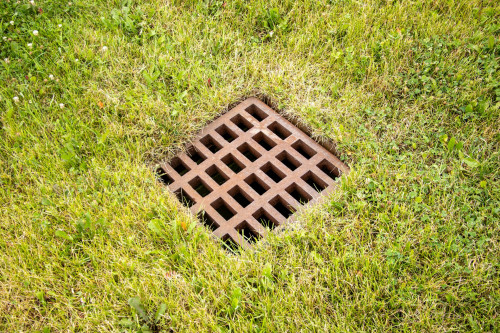
Rainwater harvesting also helps reduce flooding and pressure on drainage systems during heavy downpours – a growing concern in many Irish towns and cities. Instead of sending all that water into the sewers, you can store it for later use.

How a Rainwater System Works

A rainwater harvesting system collects water from your roof through gutters and downpipes. The water passes through a filter to remove leaves and debris before being stored in a tank, which can be placed above or below ground. From there, it can be pumped to where it’s needed.

There are two main types of systems:

  • Simple garden systems – a water butt or barrel that collects rainwater for manual use in the garden.
  • Domestic systems – a more advanced setup that automatically supplies rainwater to toilets, washing machines, and outdoor taps through a pump and filtration system.

If you plan to use rainwater inside your home, the system must be installed by a qualified plumber and kept separate from the mains supply, in line with Irish building regulations.

What Can You Use Rainwater For?

Rainwater isn’t suitable for drinking or cooking, but it’s perfect for many household and outdoor uses:

  • Garden watering – plants often prefer rainwater because it’s soft and free from chlorine.
  • Car washing – rainwater leaves fewer streaks and spots than tap water.
  • Toilet flushing – one of the biggest water uses in the home can be supplied by rainwater.
  • Laundry – with the right system, rainwater can be used in washing machines, helping to reduce limescale buildup.

Avoid using rainwater for drinking, food preparation, or personal hygiene.

Getting Started

  1. Check your roof and gutters – materials like slate, tiles, and concrete are suitable, while roofs with lead or copper should be avoided.
  2. Choose the right tank – for garden use, a 200–500 litre barrel may be enough; for household systems, tanks typically range from 2,000 to 5,000 litres.
  3. Install filters and an overflow – filters keep debris out, and an overflow ensures excess water drains safely during heavy rain.
  4. Decide on placement – underground tanks keep water cool and algae-free, while above-ground barrels are cheaper and easier to install.
  5. Maintain your system – clean filters regularly and empty the tank of sediment once a year to keep the water fresh.

Costs and Environmental Benefits

A simple rain barrel can cost as little as €50–€100, while a full domestic system with installation may range from €2,000 to €4,000. Over time, you’ll save on your water bills and reduce your household’s environmental footprint.

The environmental benefits are significant. By using rainwater, you help conserve Ireland’s groundwater and reduce the strain on public water treatment facilities. You also play a part in managing stormwater and preventing localised flooding.

Make It Part of Your Green Routine

Rainwater harvesting is a practical and rewarding way to live more sustainably. It takes a bit of planning and maintenance, but the benefits – both financial and environmental – are well worth it. Start small with a garden barrel, and expand your system as you see the results.

Once you experience how easy it is to make use of nature’s own water supply, it quickly becomes a natural part of everyday life – and a meaningful step towards a more resource-conscious home.

Drainage and Water Balance – How to Avoid Damaging Your Garden
Keep your garden healthy by mastering the balance between drainage and moisture
Sewer
Sewer
Garden Care
Drainage
Water Balance
Sustainable Gardening
Soil Health
7 min
Learn how proper drainage and water balance can protect your garden from flooding, root rot, and drought. This guide explains how to assess your soil, choose the right drainage system, and maintain it sustainably for long‑term garden health.
Fergal O’Dwyer
Fergal
O’Dwyer
Sewer Renovation in Older Homes: Important Factors to Be Aware Of
Protect your home and health by understanding the essentials of sewer renovation
Sewer
Sewer
Sewer Renovation
Home Maintenance
Plumbing
Property Care
Irish Homes
5 min
Ageing sewer systems in older Irish homes can cause leaks, blockages, and costly damage if left unchecked. Learn how to identify warning signs, plan a renovation, and stay compliant with local regulations to ensure a safe and efficient drainage system.
Rachel O’Connell
Rachel
O’Connell
Establish a Routine for Regular Sewer Inspections
Prevent costly damage by keeping your home’s drainage system in top condition
Sewer
Sewer
Sewer Maintenance
Home Care
Plumbing
Preventive Maintenance
Property Management
3 min
Regular sewer inspections are key to avoiding unpleasant surprises like blockages, leaks, and flooding. Learn how to set up a simple inspection routine, spot early warning signs, and know when to call in a professional.
Callum Burke
Callum
Burke
Rainwater Harvesting – How to Reduce Your Use of Drinking Water
Capture the power of rainfall to save water, money, and the environment
Sewer
Sewer
Rainwater Harvesting
Sustainability
Water Conservation
Eco-Friendly Living
Home Improvement
3 min
Discover how simple rainwater harvesting can help you cut down on drinking water use, lower your utility bills, and make your home more eco-friendly. Learn the basics of collecting, storing, and using rainwater for everyday tasks.
Clara Power
Clara
Power
Sewer Inspection for New Builds – Why Might It Be Necessary?
Ensure your new home’s drainage system is reliable from day one
Sewer
Sewer
Sewer Inspection
New Builds
Home Construction
Drainage
Property Maintenance
4 min
A sewer inspection might not be the first thing you think of when building a new home, but it can prevent costly issues and provide peace of mind. Learn why checking your new build’s sewer system is a smart step toward long-term comfort and safety.
Ciara Keane
Ciara
Keane
Rustic Outdoor Living: Create an Atmospheric Garden with Natural Materials
Bring warmth and authenticity to your garden with wood, stone, and natural textures
Furniture
Furniture
Rustic Garden
Outdoor Living
Natural Materials
Garden Design
Home Decor
5 min
Discover how to design a rustic outdoor space that feels both timeless and inviting. Learn how to use natural materials, thoughtful details, and local inspiration to create a garden full of atmosphere, harmony, and heart.
Fergal O’Dwyer
Fergal
O’Dwyer
From Baroque to Sustainability – The Journey of Furniture Design Through the Centuries
Discover how furniture design reflects centuries of changing tastes, technologies, and values
Furniture
Furniture
Furniture Design
Interior Design
History of Design
Sustainability
Craftsmanship
3 min
From the lavish Baroque era to today’s focus on sustainability, furniture design has evolved alongside human culture and innovation. Explore how craftsmanship, materials, and aesthetics have transformed through the ages to shape the way we live and express ourselves.
Rachel O’Connell
Rachel
O’Connell
Share, Swap and Borrow: A Sustainable Path to More Responsible Living
Discover how sharing, swapping, and borrowing can make everyday living more sustainable and community-focused
Furniture
Furniture
Sustainability
Community
Eco Living
Mindful Consumption
Sharing Economy
7 min
Learn how embracing shared resources and mindful consumption can reduce waste, save money, and strengthen local connections. From community libraries to swap events, explore practical ways to live more responsibly and sustainably.
Callum Burke
Callum
Burke