Preserve the Natural Colour of Wood on Indoor Surfaces


Preserve the Natural Colour of Wood on Indoor Surfaces
Wood brings warmth, texture, and a sense of nature into Irish homes. Whether it’s used for floors, furniture, wall panels, or countertops, wood adds character and comfort to interior spaces. However, without proper care, its natural colour can change over time. Sunlight, humidity, and everyday wear can cause wood to yellow, darken, or lose its original tone. Fortunately, there are effective ways to protect and preserve the natural look of wood without compromising durability.
Understanding Wood’s Natural Colour
Every piece of wood has its own unique tone and grain pattern, depending on the species, age, and treatment. Pine and spruce tend to have a light golden hue, while oak and ash often display warmer or greyer shades. When exposed to light and air, wood naturally oxidises, which gradually alters its colour. This is part of its charm, but with the right surface treatment, you can slow down the process and maintain the original appearance.
The key is to choose a finish that protects without masking the wood. Many traditional varnishes and oils add a yellow or amber tint, which can make the surface appear darker than intended. If you prefer a lighter, more natural look, opt for products specifically designed to preserve the wood’s original tone.
Choosing the Right Finish
There are several types of finishes that help maintain the natural colour of wood:
- Clear matte varnish – provides a durable surface that resists dirt and moisture without adding shine. Choose a varnish with UV protection to prevent yellowing, especially in bright rooms.
- White-pigmented oil or soap – subtly counteracts the yellowing that light woods often develop over time. The white pigment is gentle and keeps the surface looking fresh and natural.
- Water-based wood finish – contains fewer solvents and gives a more neutral colour than oil-based products. Ideal for furniture, panelling, and other indoor surfaces.
- Natural wax – creates a soft, silky finish that enhances the grain of the wood. It requires regular maintenance but offers a beautiful, tactile surface.
Always test the product on a small, inconspicuous area first. Wood varies in colour and absorbency, and the final result depends on the specific surface.
Læs også:


Preparation: The Foundation of a Good Result
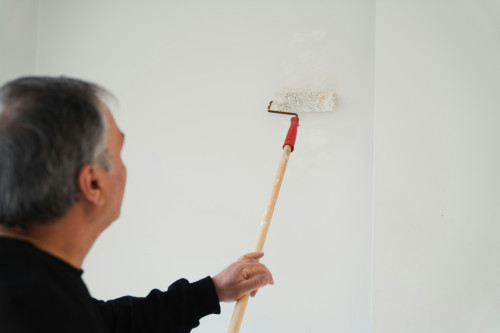
A beautiful finish starts with proper preparation. Remove any old varnish, oil, or wax by sanding or using a suitable cleaner. Use fine sandpaper (grit 120–180) and always sand in the direction of the grain to avoid scratches.
Vacuum and wipe the surface thoroughly before applying the new treatment. Even tiny dust particles can cause unevenness in the final result. If you’re working with oil or wax, make sure the wood is completely dry before you begin.
How to Apply the Finish
- Stir the product well to ensure even distribution of pigments and binders.
- Apply a thin layer using a brush, cloth, or roller, depending on the product.
- Work along the grain, avoiding puddles or build-up in corners.
- Wipe off any excess after a few minutes if using oil or wax.
- Allow to dry for the recommended time, and apply a second coat if extra protection is needed.
Once dry, you can lightly polish the surface with a soft cloth to bring out the natural glow of the wood.
Maintenance and Care
Even the best finish needs regular care. Dust surfaces with a dry or slightly damp cloth, and avoid harsh cleaning agents that can damage the finish. Use mild soaps or cleaners designed for wood instead.
If the surface starts to look dull or dry, refresh it with a thin layer of oil or wax. Floors and countertops may need attention once a year, while furniture and wall panels can often go longer between treatments.
Common Mistakes to Avoid
- Applying too much product: Thick layers of oil or varnish can create a sticky surface and obscure the grain.
- Skipping preparation: Uneven sanding or leftover dust can cause blotches and discolouration.
- Using the wrong product: A standard clear varnish without UV protection can cause light wood to yellow quickly.
- Neglecting maintenance: Small scratches or dry spots can worsen if not treated in time.
By avoiding these pitfalls, you can keep your wood surfaces looking natural and beautiful for years to come.
A Living Material Worth Caring For
Wood is a living material that changes with time, but with the right treatment, you can guide how it ages. Well-maintained wood surfaces bring warmth and calm to any home, reflecting both craftsmanship and nature’s beauty. It takes a bit of effort, but the reward is a timeless, natural elegance that lasts for generations.
Læs også: