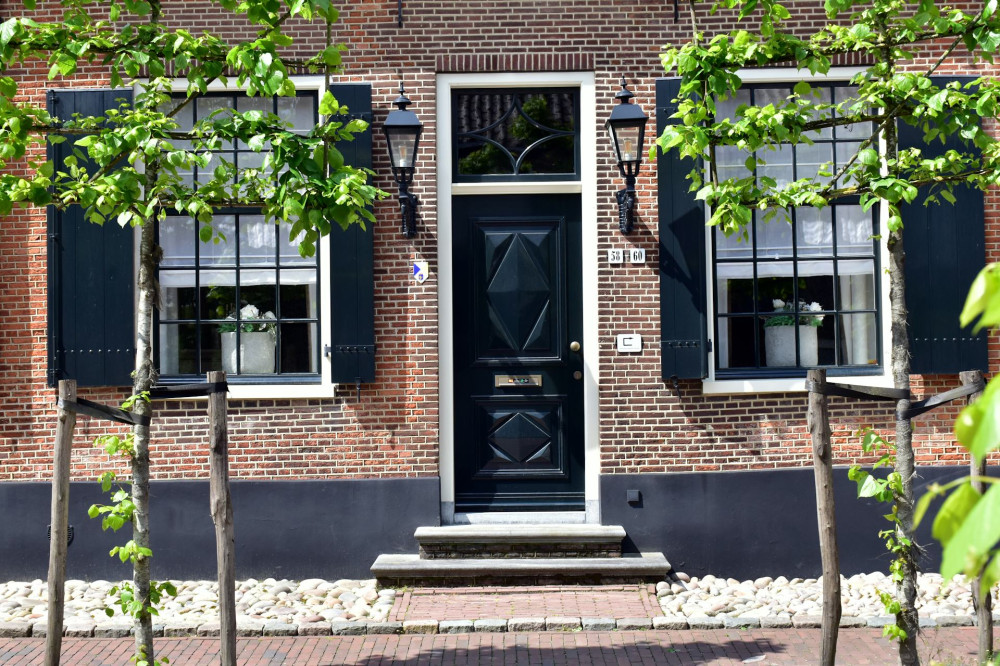
Doors and Frames Require Special Paint – How They Differ from Other Surfaces

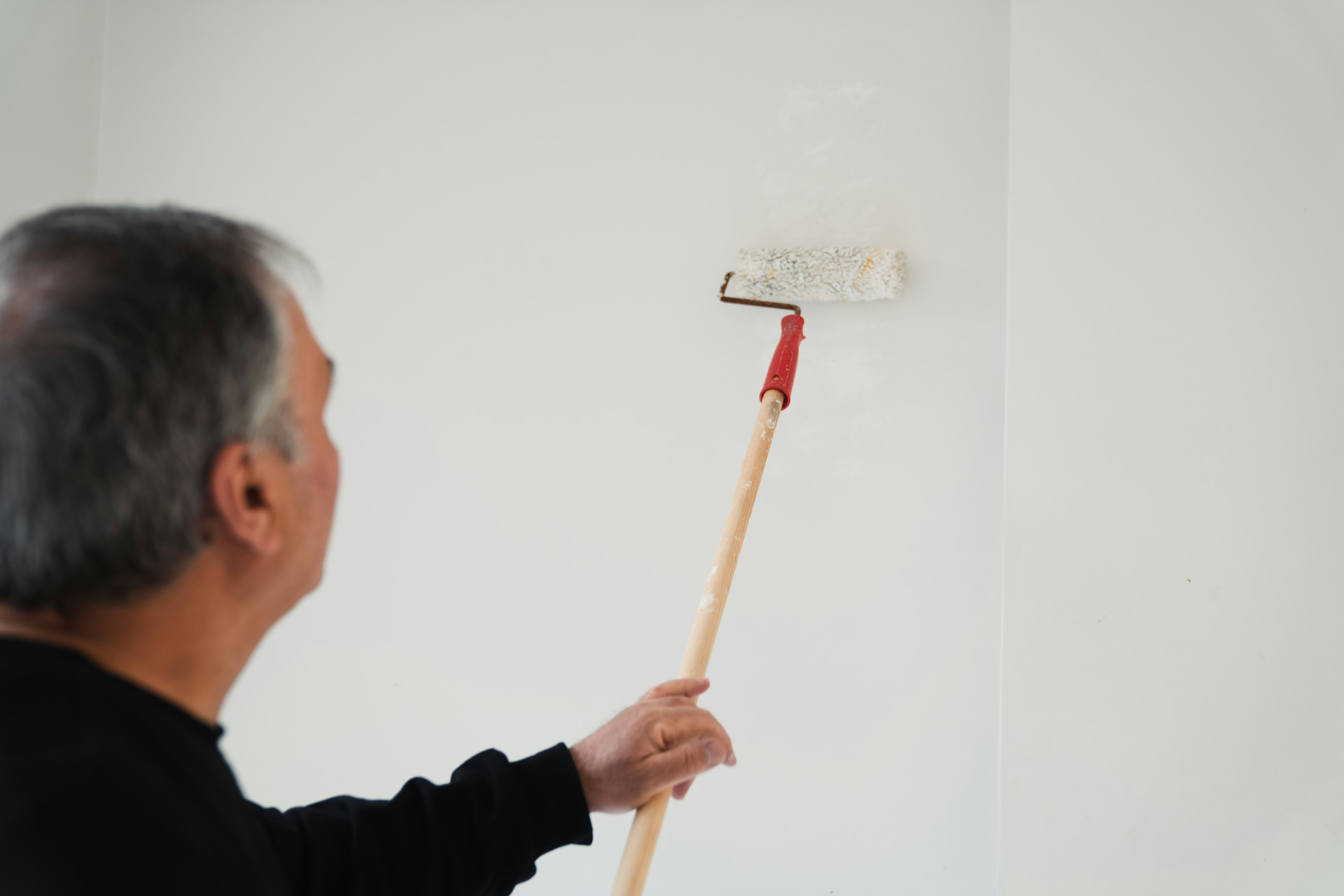
Get a flawless, durable finish on doors and frames with the right paint and preparation
Paint
Paint
5 min
Doors and frames face more wear than any other surface in your home, so they need special attention when painting. Learn which paints to choose, how to prepare properly, and the best techniques to achieve a smooth, long-lasting result.
Fergal O’Dwyer
Fergal
O’Dwyer

Doors and Frames Require Special Paint – How They Differ from Other Surfaces

Get a flawless, durable finish on doors and frames with the right paint and preparation
Paint
Paint
5 min
Doors and frames face more wear than any other surface in your home, so they need special attention when painting. Learn which paints to choose, how to prepare properly, and the best techniques to achieve a smooth, long-lasting result.
Fergal O’Dwyer
Fergal
O’Dwyer

When you’re painting your home, it’s tempting to think that one type of paint will do for every surface. But doors and frames are a different story. They endure far more wear and tear than walls or ceilings – constant touching, knocks, and cleaning – and therefore need a paint that’s tougher, smoother, and easier to maintain. Here’s a guide to why doors and frames require special treatment, and how to achieve a professional finish that lasts.

Why Doors and Frames Need Special Paint

Doors and frames are among the most frequently used and touched surfaces in any home. They’re opened and closed countless times a day, often bumped by bags, shoes, or furniture, and regularly wiped down to remove fingerprints or marks. Ordinary wall paint simply isn’t designed to handle that level of use.

That’s why it’s important to choose a paint that is:

  • Durable and washable, so it can withstand daily contact.
  • Hard-wearing, to resist scratches and dents.
  • Easy to clean, without losing its colour or sheen.
  • Stain-resistant, so dirt and grease don’t cling to the surface.

Standard emulsion paint is usually too soft and matte for this purpose. It will quickly scuff and lose its finish if used on doors or frames.

Choosing the Right Type of Paint

For doors and frames, you should use wood and metal paint, often referred to as enamel or trim paint. These paints are formulated to create a tougher, smoother surface that can handle frequent cleaning and contact.

Modern water-based versions are now the most popular choice in Ireland. They dry faster, have less odour, and are more environmentally friendly than traditional oil-based paints. However, oil-based paints are still valued for their extra durability and high-gloss finish, especially in high-traffic areas.

When selecting the sheen level, consider the look and practicality you want:

  • Satin or eggshell (around 25–40 gloss) gives a soft, subtle finish that hides imperfections.
  • Semi-gloss (around 50–70 gloss) offers a brighter, more durable surface that’s easy to wipe clean.
  • High gloss (80–90 gloss) provides maximum durability and shine, ideal for hallways or utility areas.

The higher the gloss, the tougher the finish – but also the more visible any surface flaws will be. That’s why preparation is key.

Preparation Is the Secret to a Great Finish

Even the best paint won’t hide a poorly prepared surface. Doors and frames must be clean, smooth, and free from grease before painting. Follow these steps for the best results:

  1. Clean thoroughly with a degreasing cleaner to remove dirt and oils.
  2. Lightly sand the surface with fine sandpaper (120–180 grit) to help the paint adhere.
  3. Fill any dents or cracks with wood filler, then sand smooth once dry.
  4. Wipe away dust with a damp cloth.
  5. Apply a suitable primer, especially on bare wood or glossy surfaces.

Once the primer is dry, apply two coats of your chosen wood and metal paint. Use a high-quality synthetic brush or a small roller for a smooth, even finish, and paint in long, steady strokes.

Avoid Common Mistakes

A frequent issue when painting doors is that the paint feels dry but remains tacky for days, causing the door to stick to the frame. This happens when the paint hasn’t fully cured. Even quick-drying paints need time to harden completely.

A few tips to prevent problems:

  • Leave the door slightly ajar while it dries.
  • Avoid reattaching handles or closing the door fully for at least 24–48 hours.
  • Ensure good ventilation, but avoid strong draughts that can cause uneven drying.

Patience at this stage will reward you with a flawless, long-lasting finish.

Maintaining Painted Doors and Frames

Once painted, doors and frames are easy to keep looking fresh. Wipe them regularly with a soft cloth and mild soapy water – avoid abrasive cleaners that can scratch the surface. If small chips or scuffs appear, touch them up with a little leftover paint.

With the right paint, proper preparation, and a bit of care, your doors and frames will stay beautiful and durable for years, adding a polished, well-kept look to your home.

Doors and Frames Require Special Paint – How They Differ from Other Surfaces
Get a flawless, durable finish on doors and frames with the right paint and preparation
Paint
Paint
Home Improvement
Interior Painting
DIY
Doors
Maintenance
5 min
Doors and frames face more wear than any other surface in your home, so they need special attention when painting. Learn which paints to choose, how to prepare properly, and the best techniques to achieve a smooth, long-lasting result.
Fergal O’Dwyer
Fergal
O’Dwyer
Dark Walls Without a Dark Room – Here’s How to Do It
Bring depth and elegance to your home without making it feel smaller
Paint
Paint
Interior Design
Home Decor
Colour Inspiration
Lighting
Irish Homes
5 min
Discover how to use dark wall colours to create a stylish, welcoming space that still feels bright and open. With the right shades, lighting, and materials, you can achieve a balanced and modern look that enhances your home’s character.
Rachel O’Connell
Rachel
O’Connell
Modern Paint Types: Faster and More User-Friendly
Discover how new paint technologies make decorating faster, cleaner, and more sustainable
Paint
Paint
Paint
Home Improvement
Interior Design
Eco-Friendly
DIY
4 min
Modern paint formulations have revolutionized home decorating. Learn about the latest water-based, quick-drying, and eco-friendly paints that offer better results with less effort—making painting projects simpler, safer, and more enjoyable for everyone.
Callum Burke
Callum
Burke
Preserve the Natural Colour of Wood on Indoor Surfaces
Keep your indoor wood surfaces looking fresh and naturally beautiful for years to come
Paint
Paint
Wood Care
Interior Design
Home Maintenance
Natural Materials
DIY
7 min
Discover how to maintain the original colour and charm of your wooden floors, furniture, and panels. Learn about the right finishes, preparation techniques, and care routines that protect wood from fading, yellowing, or darkening over time.
Clara Power
Clara
Power
Avoid the Common Mistakes When Choosing Paint
Get the perfect finish by avoiding these common painting pitfalls
Paint
Paint
Interior Design
Home Improvement
Painting Tips
DIY
Home Decor
2 min
Choosing the right paint is about more than just colour. Learn how to match paint types, finishes, and preparation methods to your space, and discover the key mistakes to avoid for a professional-looking, long-lasting result.
Ciara Keane
Ciara
Keane
Rustic Outdoor Living: Create an Atmospheric Garden with Natural Materials
Bring warmth and authenticity to your garden with wood, stone, and natural textures
Furniture
Furniture
Rustic Garden
Outdoor Living
Natural Materials
Garden Design
Home Decor
5 min
Discover how to design a rustic outdoor space that feels both timeless and inviting. Learn how to use natural materials, thoughtful details, and local inspiration to create a garden full of atmosphere, harmony, and heart.
Fergal O’Dwyer
Fergal
O’Dwyer
From Baroque to Sustainability – The Journey of Furniture Design Through the Centuries
Discover how furniture design reflects centuries of changing tastes, technologies, and values
Furniture
Furniture
Furniture Design
Interior Design
History of Design
Sustainability
Craftsmanship
3 min
From the lavish Baroque era to today’s focus on sustainability, furniture design has evolved alongside human culture and innovation. Explore how craftsmanship, materials, and aesthetics have transformed through the ages to shape the way we live and express ourselves.
Rachel O’Connell
Rachel
O’Connell
Share, Swap and Borrow: A Sustainable Path to More Responsible Living
Discover how sharing, swapping, and borrowing can make everyday living more sustainable and community-focused
Furniture
Furniture
Sustainability
Community
Eco Living
Mindful Consumption
Sharing Economy
7 min
Learn how embracing shared resources and mindful consumption can reduce waste, save money, and strengthen local connections. From community libraries to swap events, explore practical ways to live more responsibly and sustainably.
Callum Burke
Callum
Burke