Dark Walls Without a Dark Room – Here’s How to Do It

Dark Walls Without a Dark Room – Here’s How to Do It
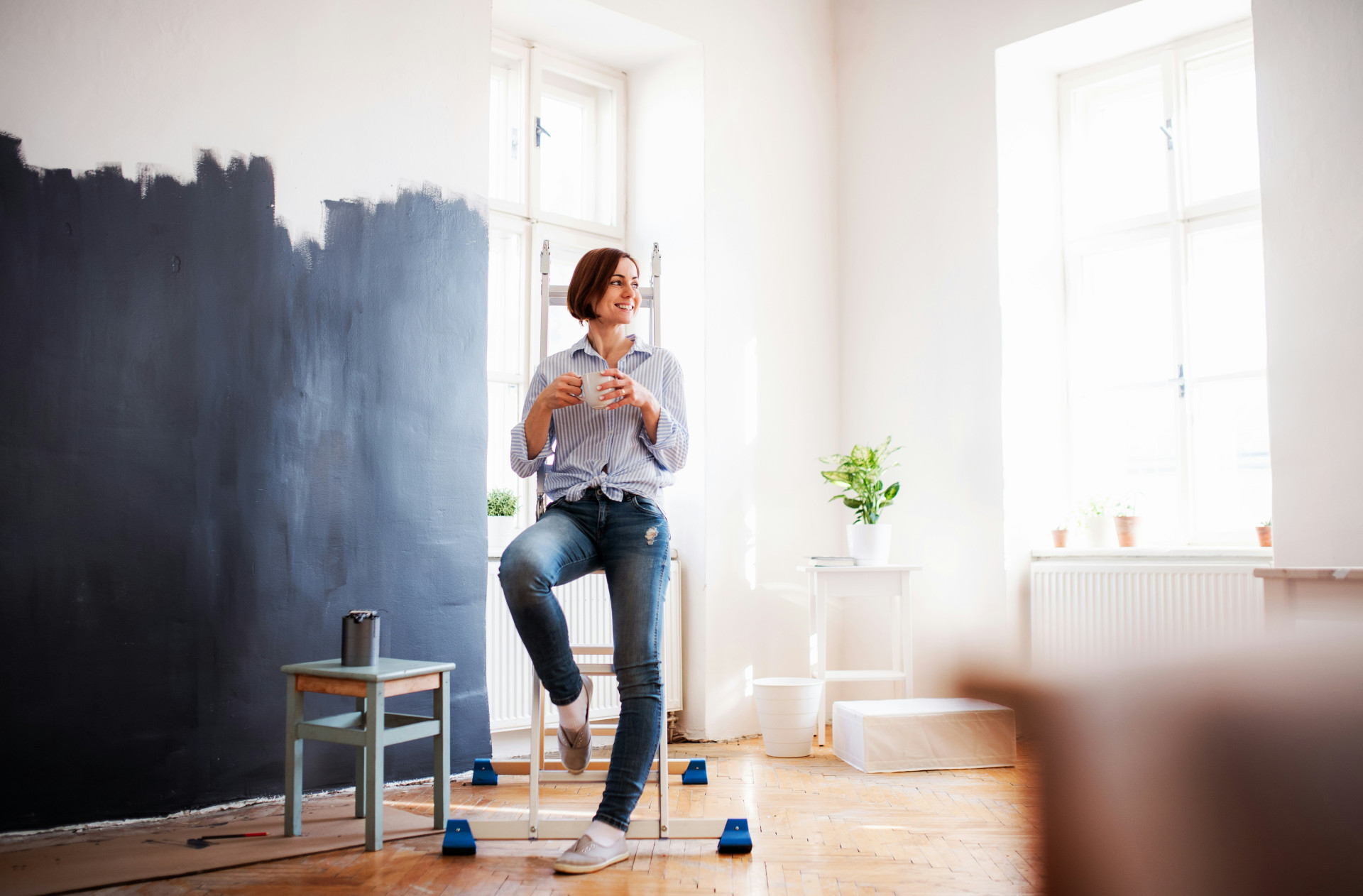
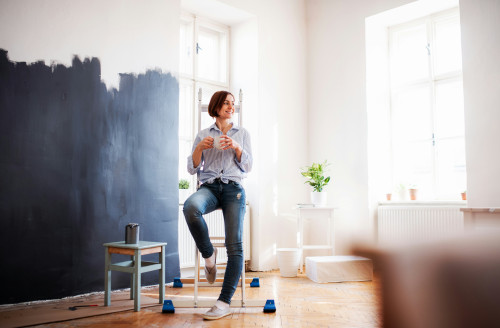
Dark walls can bring depth, calm, and character to a space – but many people hesitate, fearing the room will feel smaller or gloomy. The good news is, it doesn’t have to. With the right colours, lighting, and materials, you can create a room that feels both inviting and spacious, even with dark walls. Here’s how to make it work in your Irish home.
Choose the Right Shade
When picking a dark colour, it’s not just about how dark it is, but also about its undertones. A cool navy might feel more closed in than a warm olive or taupe that reflects light softly.
- Warm dark tones (like deep olive, brownish grey, or rich terracotta) create a cosy, enveloping atmosphere.
- Cool dark tones (like charcoal or midnight blue) feel elegant and calm but often need more light to avoid heaviness.
- Matte over gloss – matte paint absorbs light and gives a calm surface, while a satin or eggshell finish can reflect light and add life to smaller rooms.
A handy trick: paint a sample board and move it around the room throughout the day. You’ll see how the colour changes in different light – especially important in Ireland, where daylight can shift quickly.
Light Is Everything
Lighting is key when working with dark walls. It’s not just about having enough light, but about layering it to highlight the room’s shape and colour.
- Ceiling lights provide general illumination but should be complemented by other sources.
- Wall and floor lamps add depth and highlight the wall colour.
- Accent lighting – such as a spotlight on artwork or a plant – brings life and variation.
- Warm bulbs (around 2700K) make dark colours feel softer and more inviting.
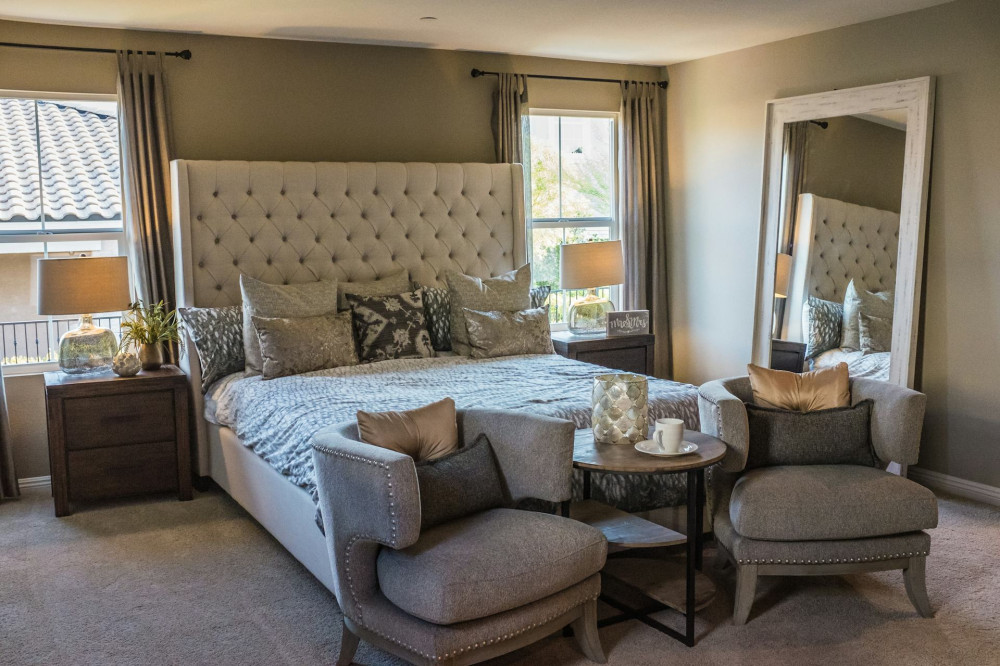
Make the most of natural light too. Irish homes often have soft, diffused daylight – use it to your advantage with light curtains, mirrors, and reflective surfaces to bounce light around the room.
Create Contrast and Balance
To keep the space from feeling heavy, balance dark walls with lighter elements, textures, and materials.
- Light ceilings and floors add airiness and contrast.
- Natural materials like wood, linen, and wool bring warmth and texture.
- Metal and glass reflect light and break up dark surfaces.
- Plants add freshness and a pop of colour that pairs beautifully with dark walls.
Don’t be afraid to mix tones. Painting skirting boards, doors, or one wall in a lighter shade can create subtle variation and visual interest.
Læs også:

Use Furniture and Textiles Strategically
Furniture and fabrics play a big role in how a dark room feels. Choose pieces that either blend in for a calm look or stand out for contrast.
- Furniture in similar tones to the wall can make the room feel larger by blurring boundaries.
- Light furniture adds freshness and draws the eye away from the walls.
- Layered textiles – wool throws, velvet cushions, linen curtains – add depth and comfort.
Dark walls also make a great backdrop for bold accents. A colourful cushion, a piece of art, or a bright vase can stand out beautifully without overwhelming the space.
Think About the Room’s Purpose
Dark walls don’t suit every space, but they can transform the right one.
- Bedrooms feel calm and cocooning.
- Living rooms become more intimate and relaxing.
- Hallways can feel welcoming when paired with good lighting and mirrors.
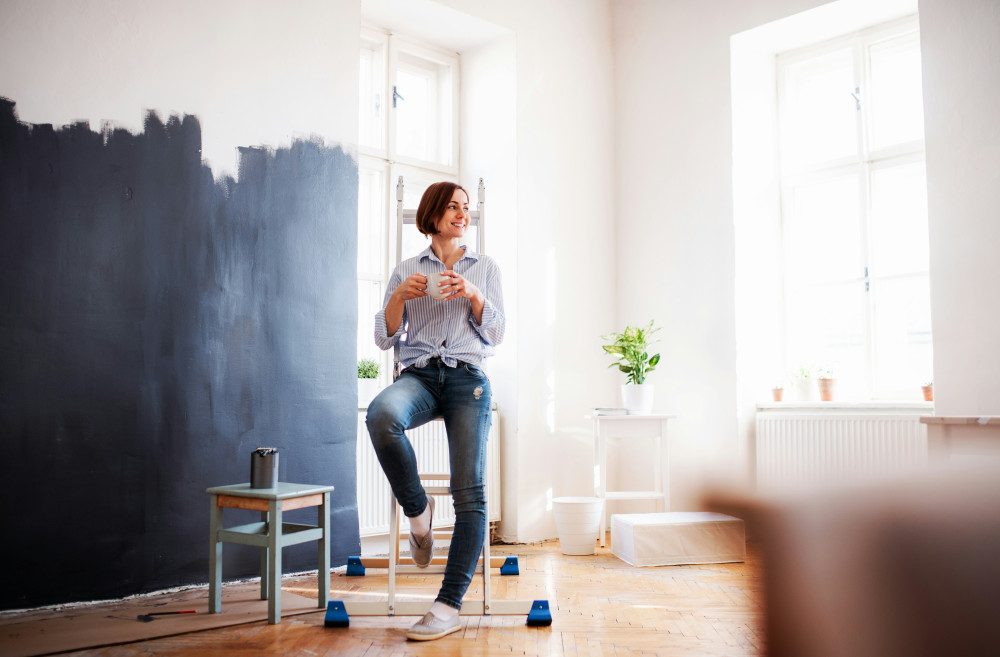
In smaller rooms, painting both walls and ceiling in the same dark shade can create a snug, harmonious “cocoon effect.” In larger rooms, try one or two dark feature walls to add depth without overpowering the space.
Make It Personal
Dark walls work best when they reflect your personality. Combine them with art, books, plants, and personal treasures so the room feels lived-in rather than staged.
A dark room can be dramatic or serene – it all depends on how you style it. The most important thing is to experiment and find the balance that feels right for you.
Læs også: