How to Get the Kids to Use the Playroom Actively

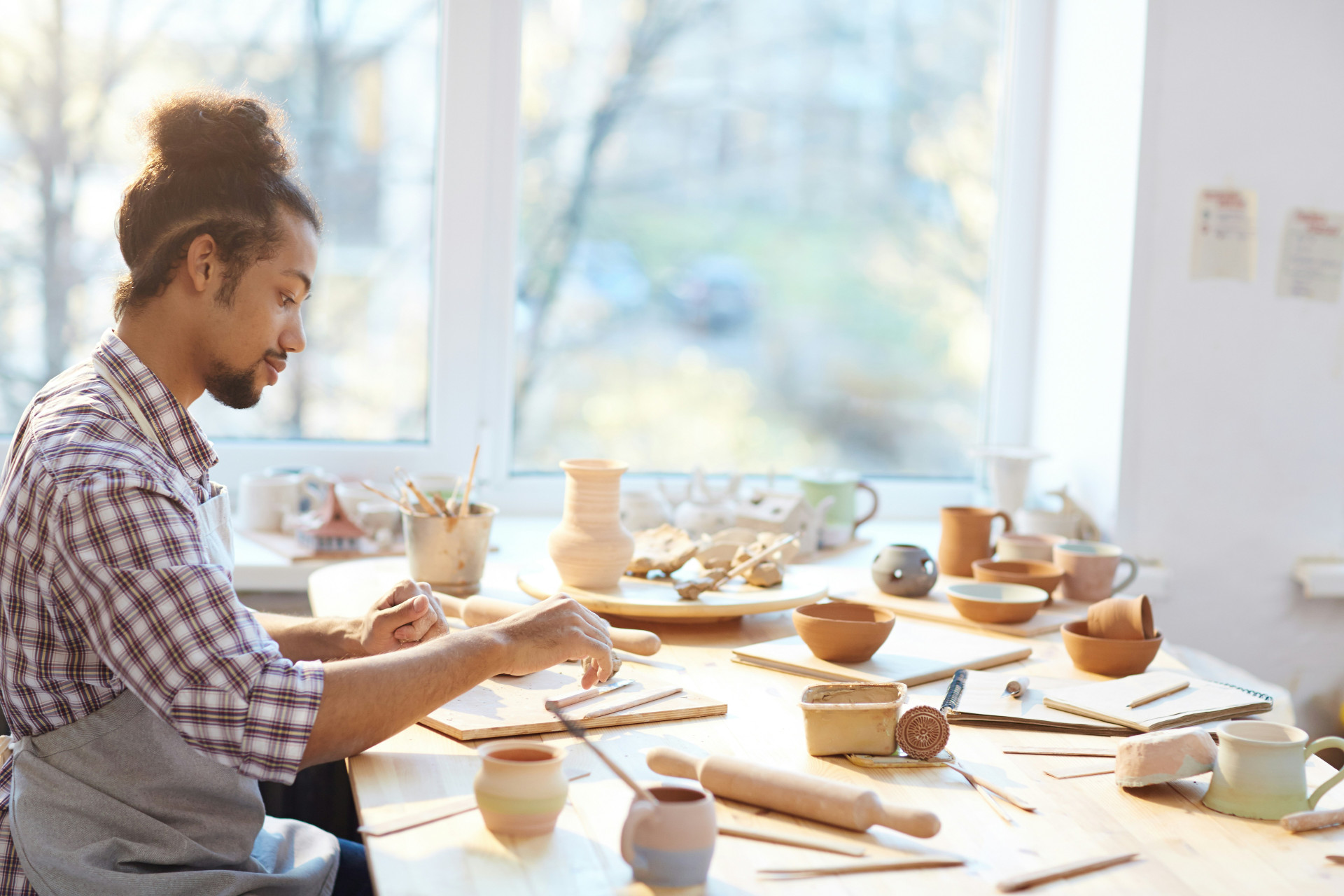
How to Get the Kids to Use the Playroom Actively
A playroom can be a wonderful space for both children and parents – a place where imagination, creativity, and play can unfold freely. But many families find that the playroom quickly turns into a storage area for forgotten toys rather than a lively space the kids actually use. So how do you encourage your children to use the playroom actively and with enthusiasm? Here are some ideas to help you create an inviting environment that sparks curiosity, creativity, and fun.
Create a Space That Inspires Curiosity
Children are naturally drawn to spaces that feel bright, engaging, and full of possibilities. You don’t need expensive toys or elaborate décor – it’s about creating an atmosphere that invites exploration.
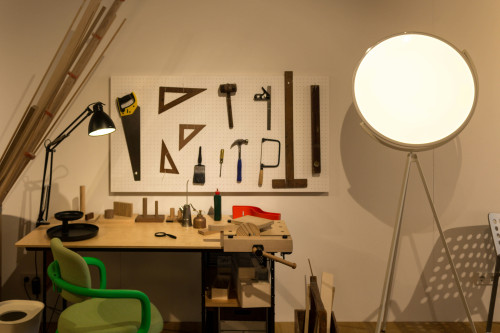
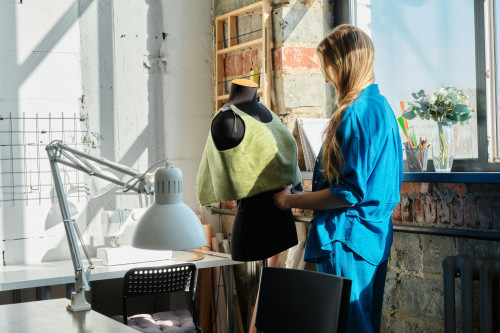
- Use colour and light – choose light, cheerful colours and make sure the room is well-lit. Natural light is ideal, but warm lamps can also make the space feel cosy and welcoming.
- Design activity zones – divide the room into small areas for different types of play: a craft table for drawing and painting, a building corner for blocks or construction sets, and perhaps a quiet nook for reading or puzzles.
- Keep things visible – store toys and materials in clear boxes or on open shelves. When children can see what’s available, they’re more likely to get inspired and start playing.
Let the Kids Have a Say
A playroom works best when children feel it’s truly theirs. Involve them in decorating – let them choose colours, posters, or even name labels for their shelves. This sense of ownership makes them more eager to spend time there.
You can also ask them what kinds of activities they’d like to have space for. Maybe one child loves arts and crafts while another prefers building or imaginative play. By tailoring the room to their interests, you make it more appealing and relevant.
Læs også:
Make It Easy to Start Playing
The easier it is to get started, the more often the playroom will be used. Keep materials within reach and make sure everything has a clear place. Simple storage systems with boxes and labels can make a big difference.
Consider having a “ready-to-play” table with paper, crayons, or a few open-ended toys always available. Sometimes just seeing a few inviting materials is enough to spark creativity.
Create Time and Calm for Play
Between school, activities, and screens, it can be hard to find time for unstructured play. But children need calm, uninterrupted time to immerse themselves in what they’re doing. Try setting aside regular “playroom hours” during the week – perhaps on a rainy afternoon or a quiet Sunday morning – when the whole family can join in.
When children see you spending time in the playroom too, it becomes a natural part of family life. You don’t have to be an artist or a builder – just showing that you enjoy creating or playing together makes a big difference.
Make Tidying Up Part of the Fun
A playroom can easily become messy, but tidying up doesn’t have to be a chore. Turn it into a game – put on some music, set a timer, or make it a friendly competition. Use baskets, boxes, and colour-coded labels so the kids know exactly where things belong. The more organised the room is, the more inviting it will be next time.
Celebrate What the Kids Create
When your children make something, show it off! Hang up their drawings, display their LEGO creations, or take photos of their projects. This gives them a sense of pride and encourages them to keep creating.
You could even have a small “family exhibition” every few months, where the kids get to show their work to grandparents or friends. It reinforces the idea that the playroom is a place where ideas come to life.
A Room That Grows With Them
A great playroom evolves as your children grow. Interests change – from toy cars to science experiments, from finger painting to music or model building. Keep the space flexible so it can adapt to new hobbies and stages.
By letting the playroom grow with your children, you create a space they’ll keep returning to – not just as little ones, but as teenagers and young adults who still enjoy having a place to create, explore, and unwind.
Læs også: