A flexible hobby room that adapts to the family’s needs

A flexible hobby room that adapts to the family’s needs
A hobby room can be anything from a creative retreat to a practical workspace – and in many Irish homes, it serves as both. But as family life changes, so do the needs of the household. That’s why it makes sense to design the room with flexibility in mind from the start. A space that can adapt over time helps you make the most of every square metre and ensures it remains useful for children, teenagers, and adults alike. Here’s how to create a hobby room that grows with your family.
Start by defining the room’s purpose
Before you start decorating, think about what the room should be used for – both now and in the future. Will it be a place for arts and crafts, music, gaming, exercise, or perhaps a mix of work and hobbies?
Make a list of the activities you want to accommodate and consider how they can coexist. A flexible hobby room isn’t about squeezing everything in, but about creating zones that can change as your needs evolve.
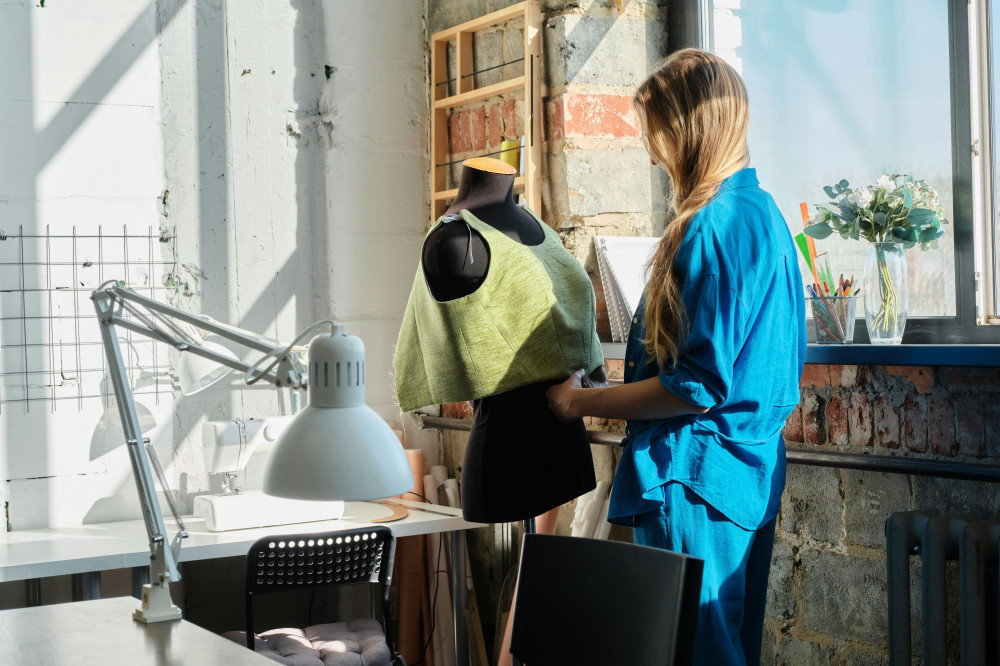
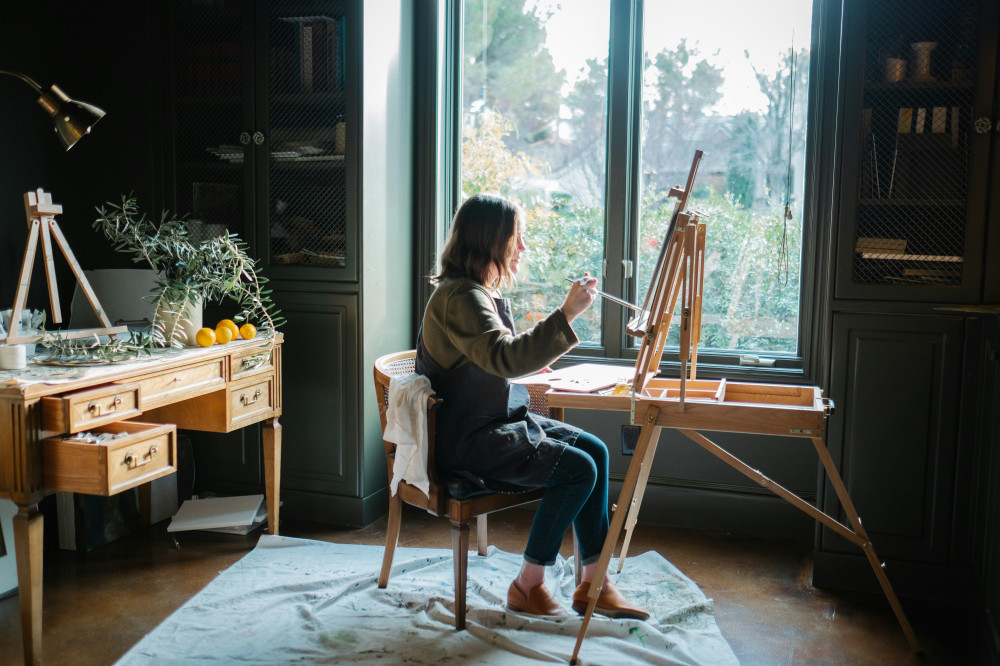
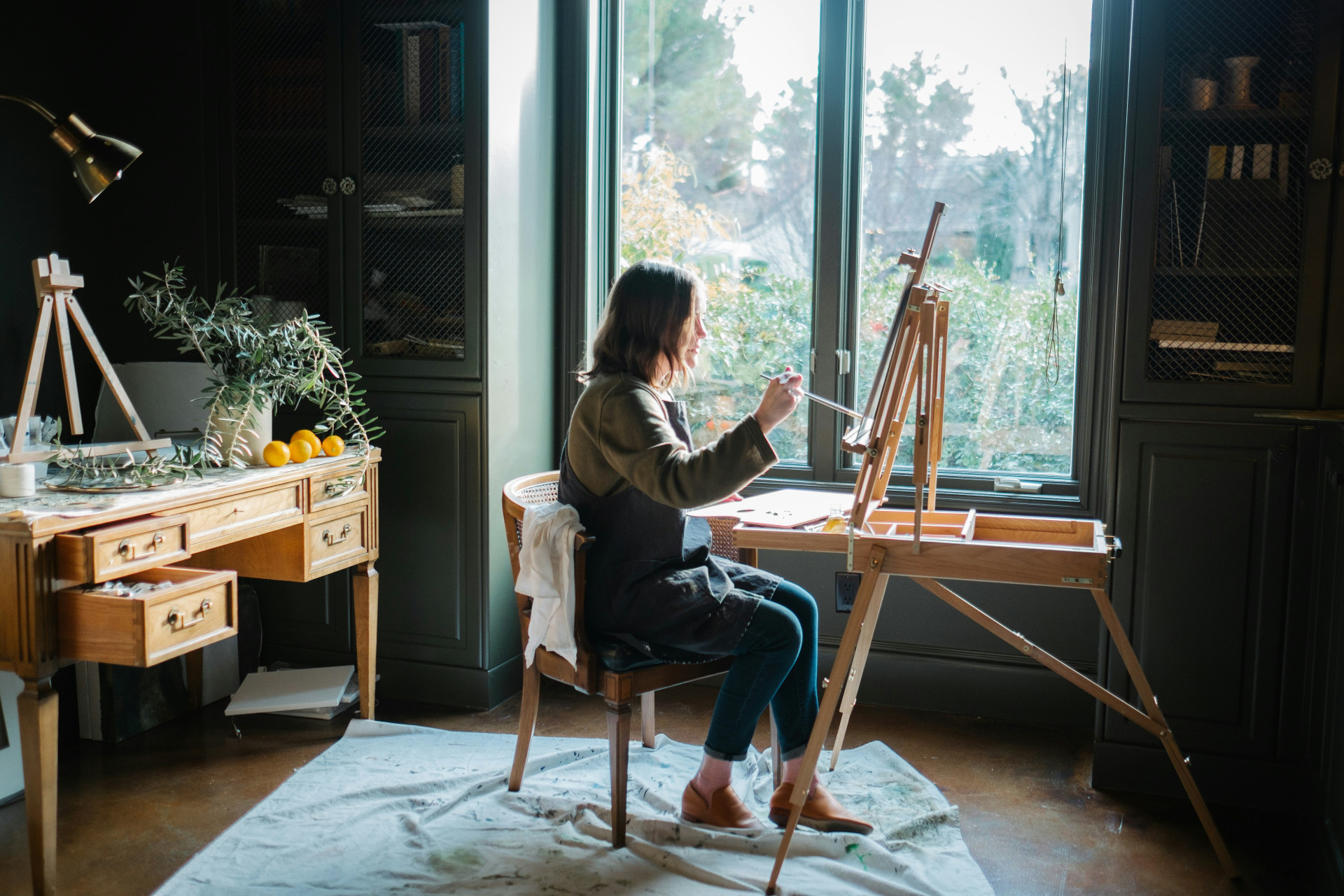
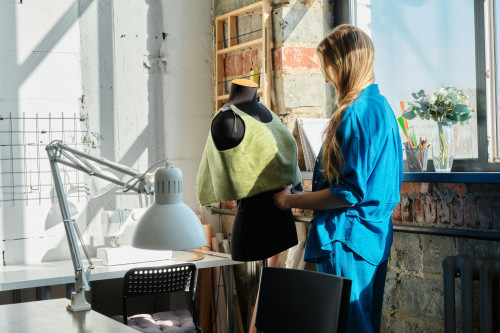
- Creative zone: A large table with good lighting and storage for materials.
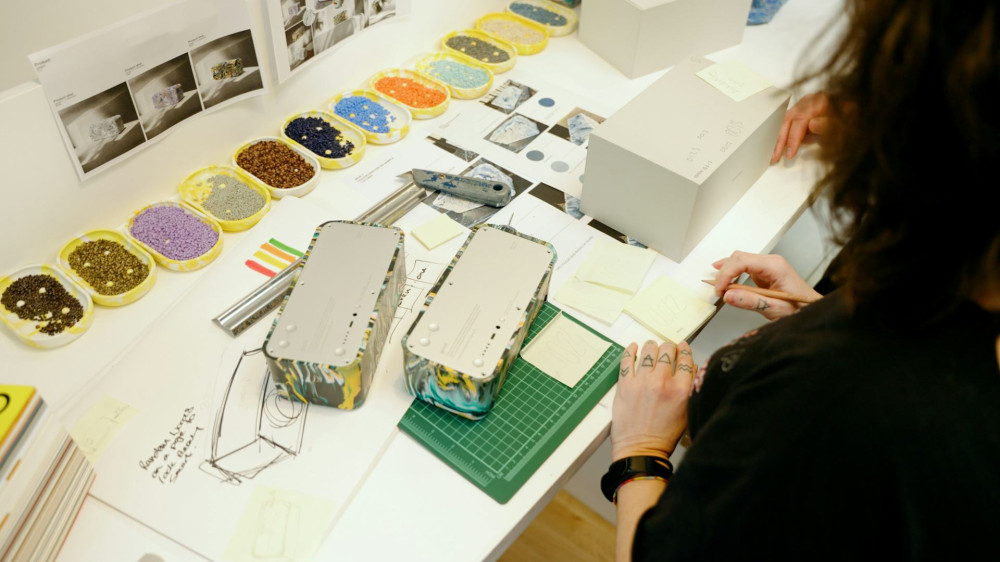
- Tech zone: A space for a computer, printer, or tools.
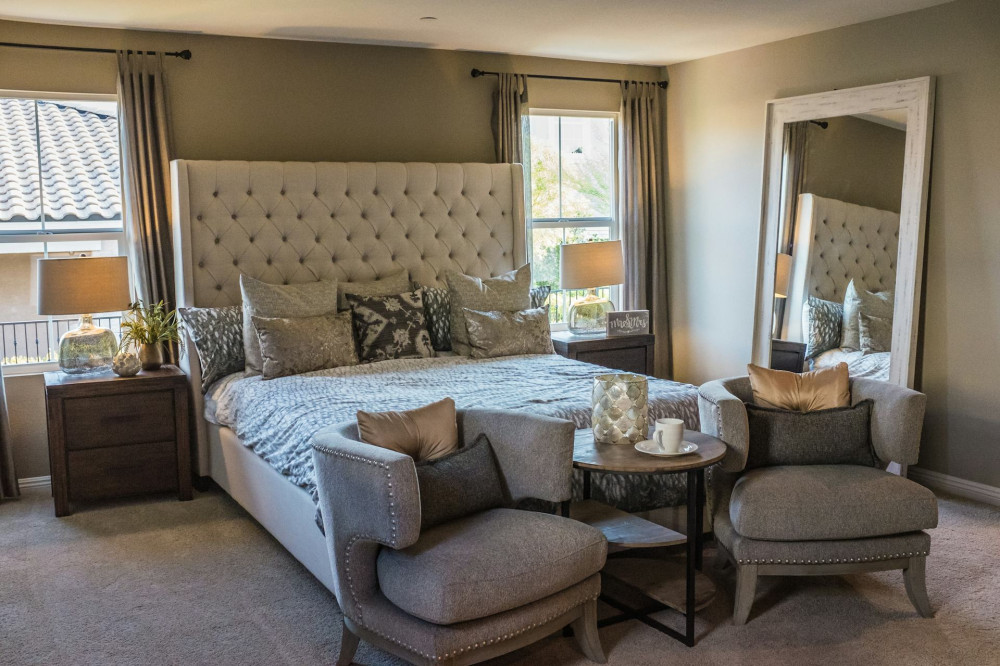
- Relaxation zone: A comfy chair, small sofa, or corner for reading, music, or games.
Dividing the room into functional areas makes it easier to stay organised – and to rearrange things when the family’s interests shift.
Smart storage is key
A hobby room can quickly become cluttered if storage isn’t well planned. Choose solutions that are both practical and easy to adjust.
- Modular shelving can be moved, expanded, or reconfigured as new hobbies appear.
- Boxes and baskets make it simple to group materials and tools by theme.
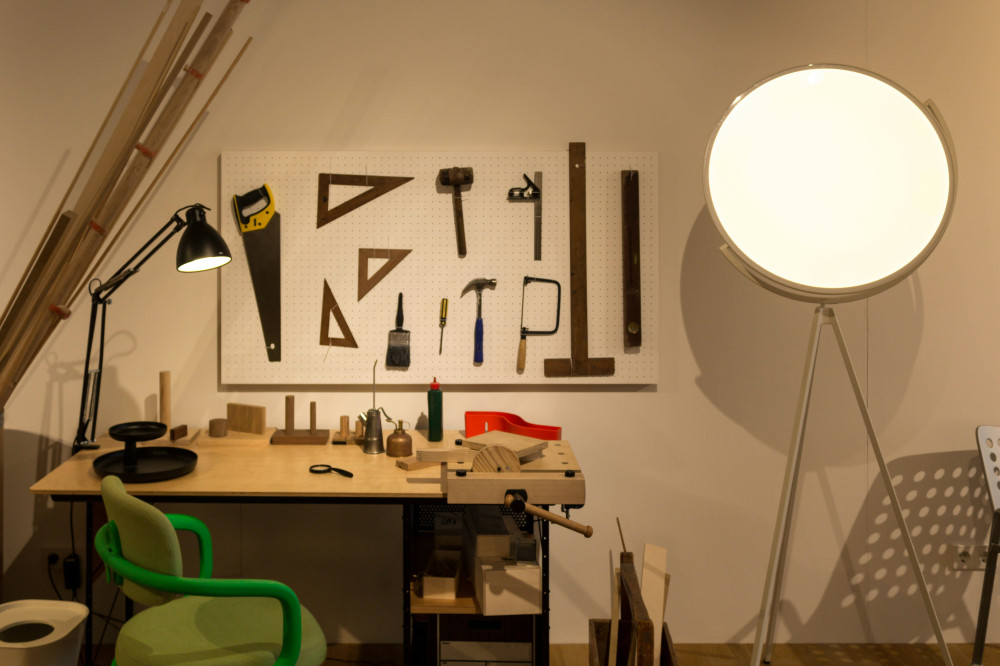
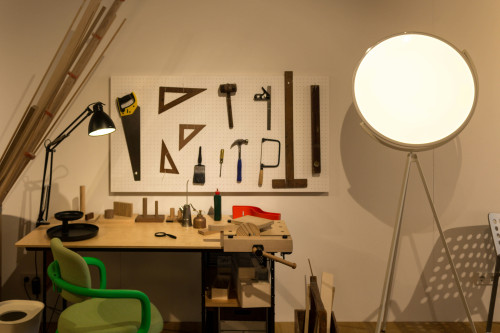
- Wall-mounted systems or pegboards are great for hanging tools, brushes, or craft supplies.
- Foldable tables and chairs can be brought out when extra workspace is needed.
Think vertically too – tall shelving and cupboards free up floor space and keep the room looking tidy.
Choose flexible furniture
Furniture that can serve multiple purposes is ideal for a hobby room. A table on wheels can be moved around easily, a sofa bed can double as a guest bed, and a height-adjustable desk can work for both adults and children.
If several family members use the room, consider adjustable workstations so everyone can work comfortably. Neutral colours and simple materials make it easy to refresh the look with textiles, posters, or lighting when the room’s function changes.
Create an inspiring atmosphere
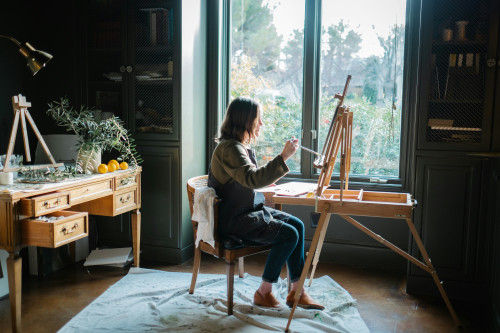
A hobby room should be practical, but it should also spark creativity. Use colour, light, and personal touches to make the space inviting and inspiring.
- Colours: Light walls create calm, while one accent wall can add energy.
- Lighting: Combine ceiling lights with task lighting and softer lamps for a cosy feel.
- Personal details: Display artwork, photos, or finished projects to make the room feel alive.
If children use the room, let them help choose colours or decorations. It gives them a sense of ownership and makes the space more enjoyable for everyone.
Læs også:

Plan for the future
A flexible hobby room should evolve with the family’s life stages. It might start as a playroom, then become a study area, a gaming zone, or a creative studio. By choosing movable furniture, modular storage, and a neutral base design, you can easily adapt the room without starting from scratch.
Also consider practical details like durable flooring, easy-to-clean surfaces, and good ventilation – all of which make the room more comfortable and long-lasting.
A room that grows with the family
A hobby room is more than just an extra space – it’s a place for creativity, focus, and togetherness. When you design it with flexibility in mind, you create a room that can evolve with your family’s interests and needs. The result is a space that’s not only functional but full of life – a room that always finds its place in your home.
Læs også: