Give leftover materials new life in your creative projects

Give leftover materials new life in your creative projects
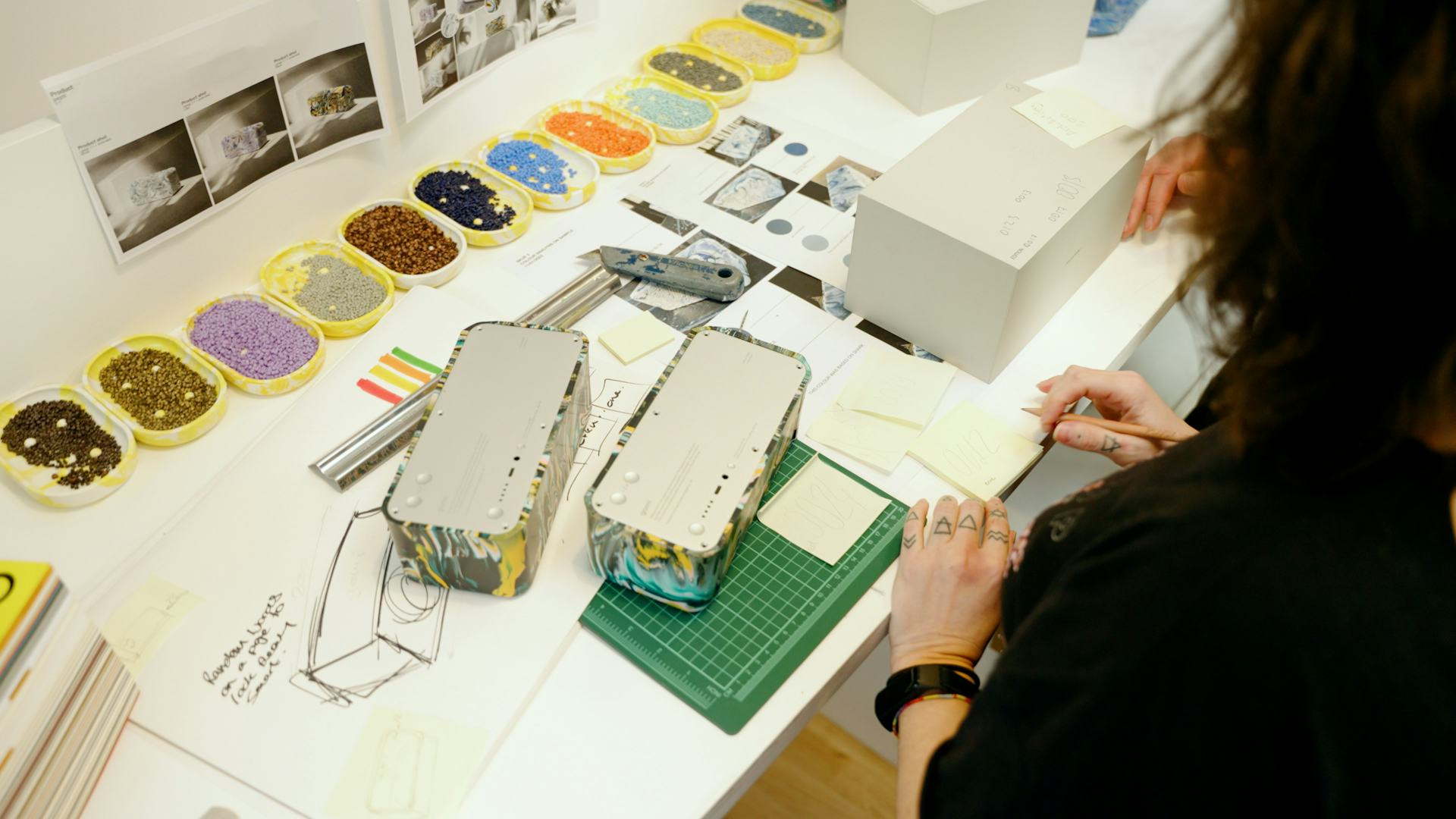
Every day, we throw away materials that could easily be turned into something new and beautiful. Cardboard, fabric scraps, glass jars, bits of wood, and old buttons – all of these often end up in the bin, even though they hold great creative potential. Reusing leftover materials isn’t just about saving money; it’s about thinking sustainably and letting your imagination run free. Here’s how you can give your leftovers a second life in your creative projects.
See the value in what you already have
The first step is to change how you look at waste. Before you throw something out, ask yourself: Could this be used for something else? An empty tin can might become a herb pot, a piece of wood could turn into a small shelf, and fabric scraps can be transformed into colourful cushions or tote bags.
Create a small “reuse box” in your craft area where you collect materials for future projects. It might include:
- Glass jars and bottles
- Cardboard and paper
- Fabric scraps and yarn
- Wood offcuts and twigs
- Metal pieces, screws, and brackets
- Buttons, zips, and ribbons
When you have a collection ready, it’s easier to experiment and come up with new ideas.
Creative ideas for leftover materials
There are almost no limits to what you can make with what you already have. Here are a few ideas to get you started:
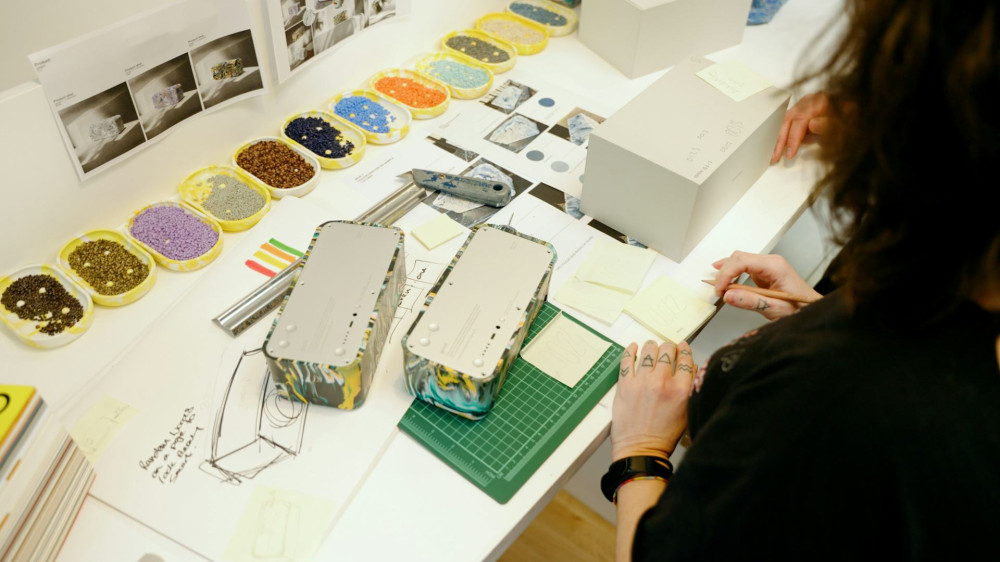
- Fabric scraps: Sew small pouches, patchwork blankets, or reusable gift wraps. Even tiny pieces can be used for appliqué or decorative details.
- Cardboard and paper: Make storage boxes, greeting cards, or wall art. Add paint, string, or tape for a personal touch.
- Wood and pallets: Build small shelves, planters, or candle holders. A bit of sanding and oil can make a big difference.
- Glass jars and bottles: Use them as vases, lanterns, or storage containers. Decorate them with paint, twine, or stickers.
- Metal and tins: Carefully smooth the edges and use them as holders for pens, brushes, or kitchen utensils.
The key is not to follow strict instructions but to experiment. Often, the best ideas come when you simply start creating.
Sustainability as a creative force
Working with leftover materials is a simple way to live more sustainably. You reduce waste, save resources, and learn to see value in what might otherwise be discarded. At the same time, you create something unique – no two projects will ever be the same.
Many people find it deeply satisfying to turn something old into something new. It’s a reminder that creativity and care for the environment can go hand in hand.
Make it a shared activity
Upcycling and creative reuse are perfect for doing together with family or friends. Children love to build, paint, and cut, and it’s a great way to teach them about recycling and the environment. Try having a “make-it-from-scraps day,” where everyone comes up with projects using what’s already at home.
You can also swap materials with neighbours or join local exchange events. It’s a fun way to get new ideas – and you’ll save money by not buying new supplies.
Læs også:

Create an inspiring craft corner
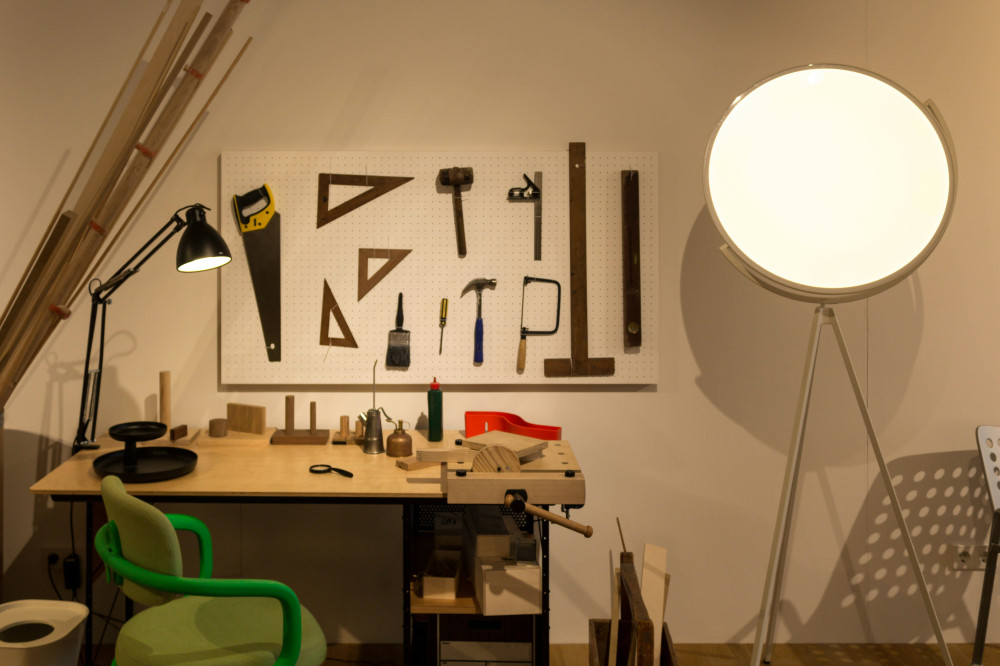
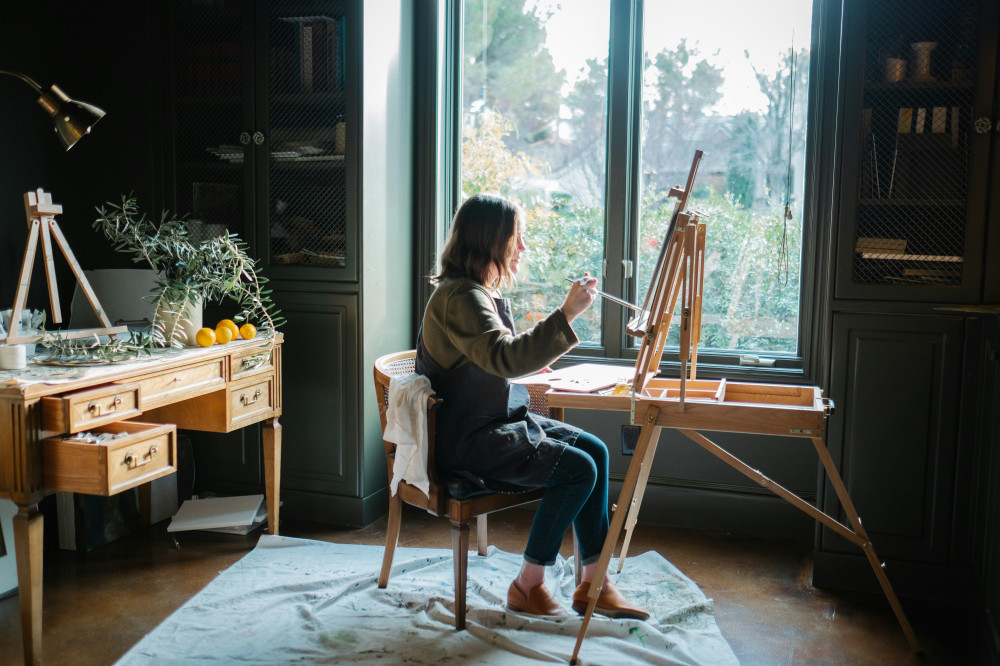
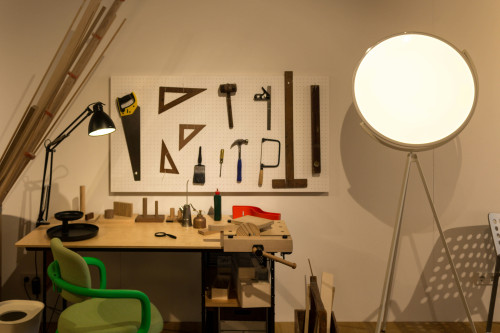
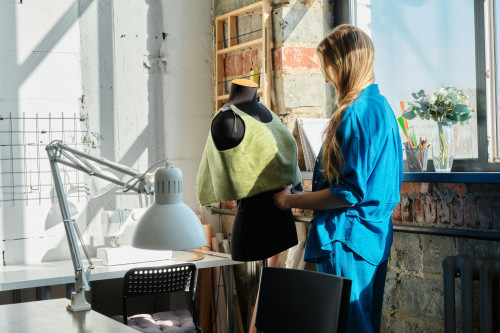
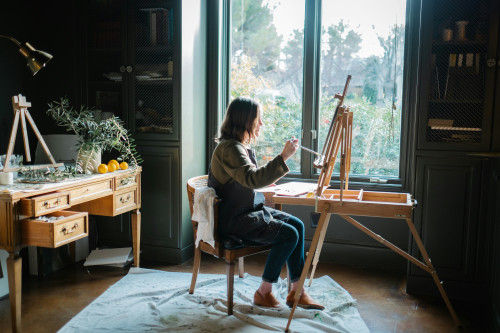
If you often work with leftover materials, it’s worth setting up a small space for it. Use clear boxes or jars to store your materials so you can easily see what you have. Sort by type – fabric, wood, metal, paper – and keep things tidy so you can quickly find what you need.
An organised craft corner makes it easier to get started, and it can be a source of inspiration in itself.
Small steps towards a more creative and sustainable lifestyle
You don’t need to take on big projects to make a difference. Start small – turn a jam jar into a vase, sew a bag from an old sheet, or build a small shelf from leftover wood. Every time you reuse something, you save resources and create something unique.
In the end, giving leftover materials new life is about seeing possibilities instead of waste – and letting creativity flourish in what you already have.
Læs også: