Coving – the small detail that completes your room

Coving – the small detail that completes your room
When you’re renovating or simply want to refresh a space, it’s often the small details that make the biggest difference. Coving is one of those finishing touches that many overlook – yet it can completely transform the look and feel of a room. It creates a smooth transition between wall and ceiling, hides imperfections, and gives your interior a polished, cohesive appearance. Here’s a guide to choosing, fitting, and maintaining coving that perfectly complements your Irish home.
Why choose coving?
Coving serves both a practical and decorative purpose. It covers the joint where the wall meets the ceiling, concealing cracks or uneven edges, and helps prevent paint from splitting over time. But beyond its function, coving adds character and style.
- In period homes, ornate plaster coving can highlight original architectural features and preserve the building’s heritage charm.
- In modern interiors, simple, clean-lined coving can enhance a minimalist look and add subtle definition.
- In renovated cottages or farmhouses, coving can bridge old and new elements, creating a sense of continuity and warmth.
In short, coving is the finishing touch that makes a room feel complete and thoughtfully designed.
Materials – from traditional plaster to modern alternatives
Coving comes in a range of materials, each with its own advantages depending on your style, budget, and the room’s conditions.
- Plaster is the classic choice, often used in older Irish homes. It offers a timeless, high-quality finish and can be moulded into intricate designs. However, it’s heavier and requires professional installation.
- MDF (Medium Density Fibreboard) is a cost-effective and stable option that’s easy to paint and ideal for contemporary spaces.
- Polystyrene or polyurethane coving is lightweight, affordable, and perfect for DIY projects. It’s easy to cut and install with adhesive, making it a popular choice for quick makeovers.
- PVC coving is moisture-resistant and well-suited for bathrooms, kitchens, or utility rooms where humidity can be an issue.
When choosing material, consider the room’s purpose and the level of maintenance you’re comfortable with.
Choosing the right style
Coving comes in many profiles – from subtle curves to bold, decorative mouldings. The right choice depends on your home’s proportions and interior design.
- Narrow coving works well in smaller rooms or spaces with low ceilings, where you want a discreet finish.
- Wider coving makes a statement in rooms with high ceilings, adding a sense of grandeur.
- Decorative mouldings can be used in living rooms or dining areas to create a traditional or luxurious atmosphere.
A good tip is to bring home a few samples and hold them up against your wall and ceiling. Natural light and paint colours can change how the coving looks once installed.
Læs også:




How to fit coving
Installing coving takes a bit of care, but it’s a manageable DIY task with the right tools and patience.
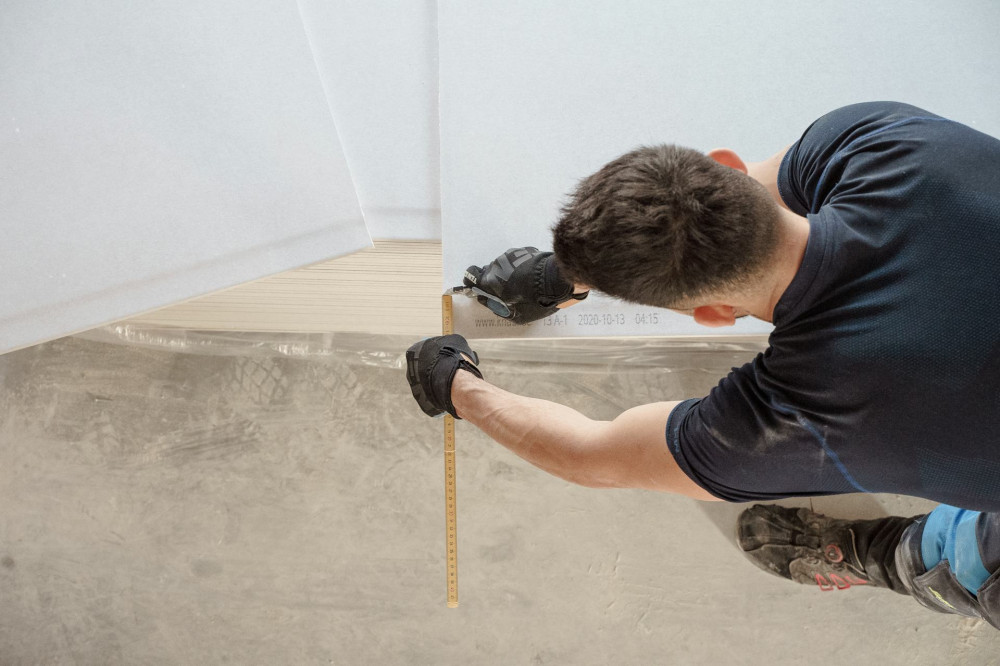
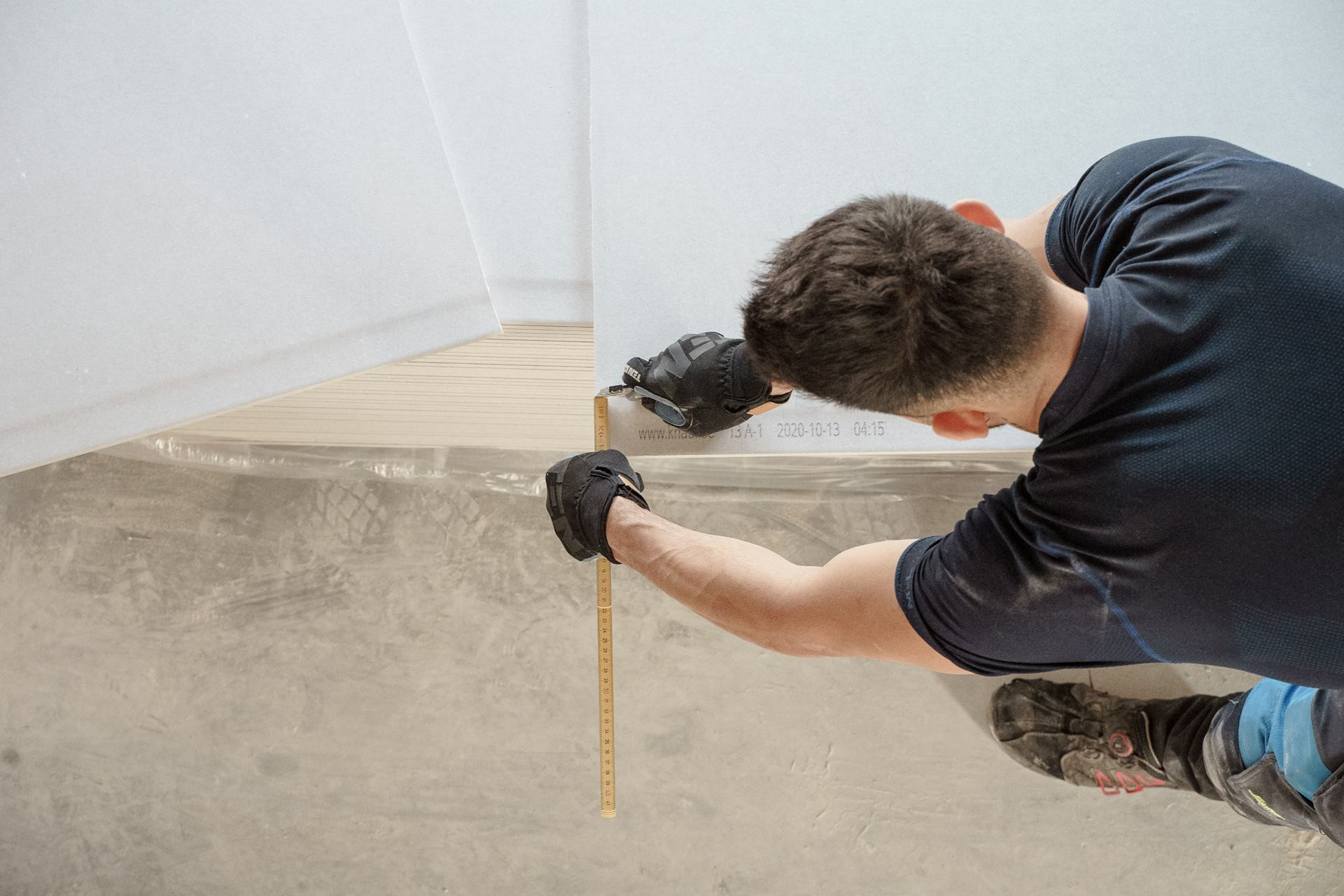
- Measure and plan – Carefully measure each wall. Remember that corners need to be cut at a 45-degree angle for a neat fit.
- Cut the coving – Use a mitre box and a fine-toothed saw for precise cuts.
- Fix in place – Depending on the material, use adhesive, nails, or screws. For uneven walls, apply a small amount of filler or caulk to close any gaps.
- Finish and paint – Once the adhesive has set, fill any joints or holes, then paint the coving to match or contrast with your ceiling and walls.
If you’re using lightweight coving, adhesive alone is often enough, making installation quick and clean.
Maintenance and durability
Coving requires very little upkeep. A light dusting or wipe with a damp cloth keeps it looking fresh. Painted coving can be easily refreshed with a new coat of paint over time. In damp areas, check occasionally for signs of moisture damage, especially if you’ve used wood-based materials.
With proper installation and minimal care, coving can last for decades, maintaining its crisp lines and elegant appearance.
A small detail with a big impact
Though it may seem like a minor feature, coving has a remarkable effect on the overall look of a room. It ties walls and ceilings together, adds depth and definition, and gives your home a professional, finished feel. Whether you prefer traditional plaster, sleek MDF, or lightweight modern materials, coving is a simple way to elevate your interior design.
So next time you’re redecorating, don’t forget the coving – the small detail that completes your room.
Læs også: