Adapt Building Techniques to Your Home Type

Adapt Building Techniques to Your Home Type
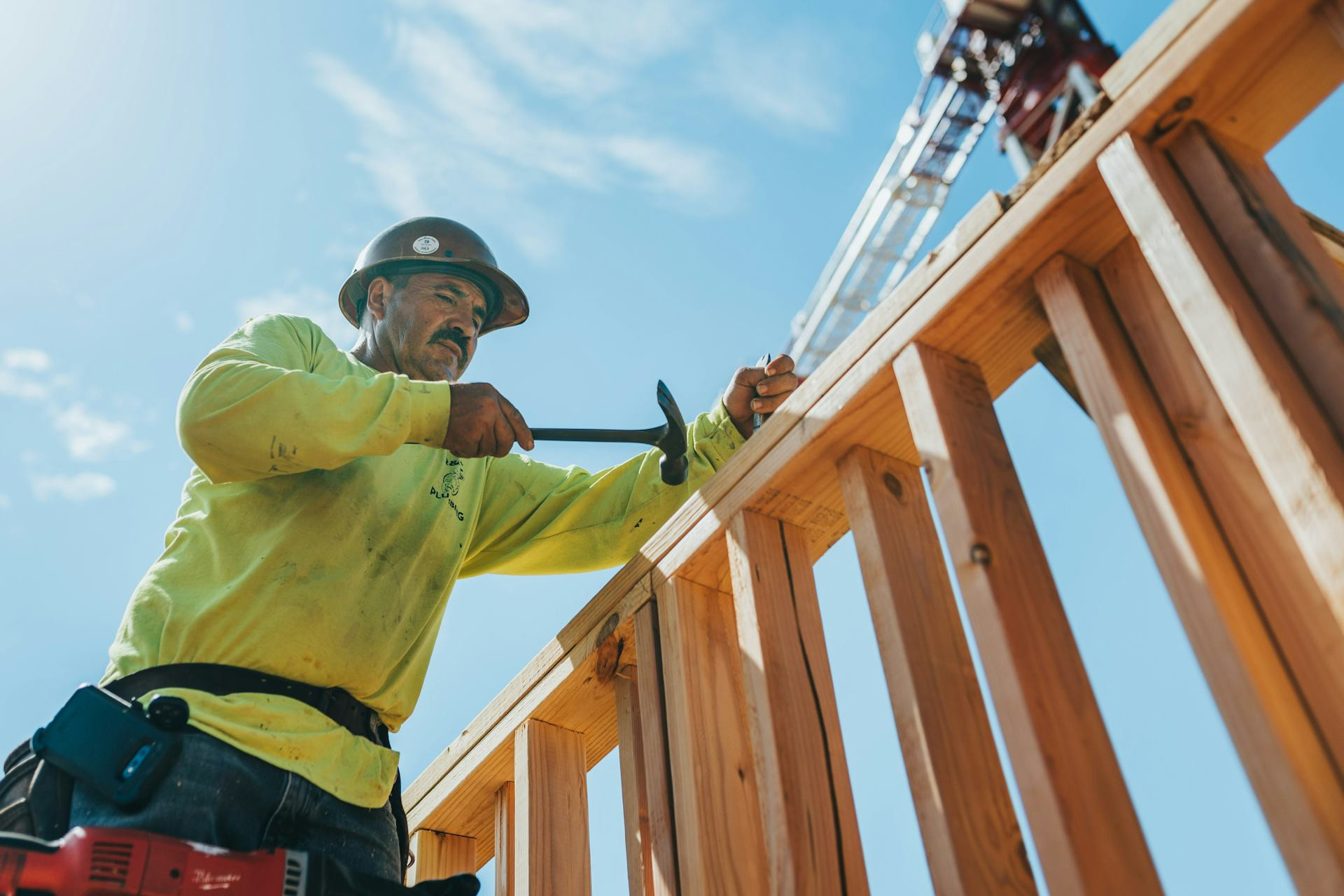
When you plan to renovate, extend, or simply maintain your home, it’s essential to start with an understanding of your house type and construction. A method that works perfectly for a new A-rated home may cause problems in a Georgian townhouse – and vice versa. By adapting materials, methods, and solutions to your home’s age and structure, you can preserve its character while ensuring comfort and durability. Here’s how to approach it.
Know Your Home’s Construction
Before starting any building project, take time to understand how your home is built. Is it a stone cottage, a red-brick terrace, a 1970s bungalow, or a modern timber-frame house? Each type has its own strengths and vulnerabilities.
- Traditional stone cottages often have solid walls with no cavity. They “breathe” naturally, allowing moisture to move through the structure. Using breathable materials is vital to prevent damp.
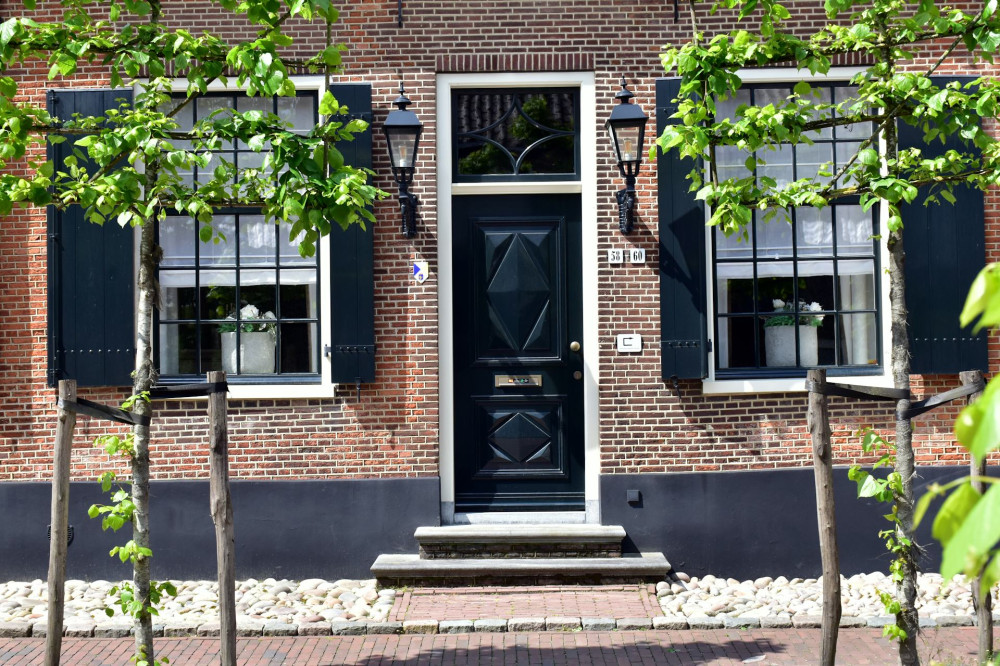
- Georgian and Victorian terraces typically have brick walls and timber floors. They can be upgraded for energy efficiency, but changes must respect the original materials and ventilation patterns.
- Mid-century bungalows and suburban homes often have cavity walls and concrete elements. These can be insulated effectively, but care must be taken to avoid cold bridges and trapped moisture.
- Modern energy-efficient homes are built to be airtight and rely on mechanical ventilation. Precision in sealing and insulation is key to maintaining performance.
Understanding your home’s construction is the foundation for making the right technical and aesthetic choices.
Læs også:
Choose Materials That Suit the Building
Material choice should always reflect the home’s original design and function. It’s not just about appearance – it’s about how materials interact with each other and with the Irish climate.
- In older stone or brick houses, use lime-based mortars and renders instead of cement. Lime allows walls to breathe and release moisture, while cement can trap it and cause damage.
- In timber-frame houses, select wood species and finishes that can handle Ireland’s damp conditions. Breathable paints and stains are often better than plastic-based coatings.
- In newer homes, modern materials such as vapour barriers, insulation boards, and triple-glazed windows can greatly improve comfort – but only if installed correctly.
Think holistically: materials that work together create a more durable and healthy home.
Insulation – Respect the Structure
Improving insulation is one of the most common upgrades, but it can also be one of the riskiest if done incorrectly. Too much or poorly placed insulation can lead to condensation and mould.
- In older solid-wall houses, avoid internal insulation unless carefully designed. It can shift the dew point into the wall and cause damp. External insulation with breathable materials is often safer.
- In homes with cavity walls, cavity-fill insulation can be effective, but only if the walls are dry and in good condition.
- In modern airtight homes, insulation is already optimised – focus instead on airtightness and correct installation of vapour barriers.
If in doubt, consult a building surveyor or energy assessor to identify the best approach for your home.
Ventilation and Moisture – The Hidden Balance
A healthy indoor climate depends on allowing moisture to escape and fresh air to enter. Older homes achieve this naturally through small gaps and draughts, while modern homes require mechanical ventilation.
When you upgrade insulation or replace windows, you change how your home breathes. Always consider ventilation as part of the project.
- In airtight homes, a mechanical ventilation system with heat recovery is often essential.
- In older homes, simple wall vents or trickle vents in windows may be enough – as long as they’re used properly.
Moisture problems can take years to appear, so prevention is always better than cure.
Preserve the Architectural Character
When renovating or extending, respect your home’s original architecture. A Georgian terrace loses its charm with plastic windows, and a 1970s bungalow can look awkward with period-style features.
Choose solutions that harmonise with the building’s proportions, materials, and colours. This not only enhances the look of your home but can also increase its value.
Seek Professional Advice When Needed
While many projects can be tackled by skilled homeowners, it’s wise to get professional guidance when altering the structure. A building surveyor, conservation specialist, or energy consultant can help you combine modern comfort with respect for traditional building methods.
It may seem like an extra cost, but it often saves time, money, and future repairs – ensuring your home remains sound and beautiful for years to come.
Build with Respect and Care
Adapting building techniques to your home type is ultimately about respect – for materials, craftsmanship, and the building’s history. When you build with care and understanding, you not only achieve better results but also help preserve Ireland’s rich architectural heritage.
Læs også: