Combine Wall Types for a Unique and Harmonious Look


Mix materials, colours, and textures to give your walls depth and character
Carpenter
Carpenter
7 min
Discover how combining different wall types can transform your home’s atmosphere. Learn to balance contrast and harmony through creative use of materials, colours, and finishes for a truly personal interior style.
Rachel O’Connell
Rachel
O’Connell

Combine Wall Types for a Unique and Harmonious Look

Mix materials, colours, and textures to give your walls depth and character
Carpenter
Carpenter
7 min
Discover how combining different wall types can transform your home’s atmosphere. Learn to balance contrast and harmony through creative use of materials, colours, and finishes for a truly personal interior style.
Rachel O’Connell
Rachel
O’Connell

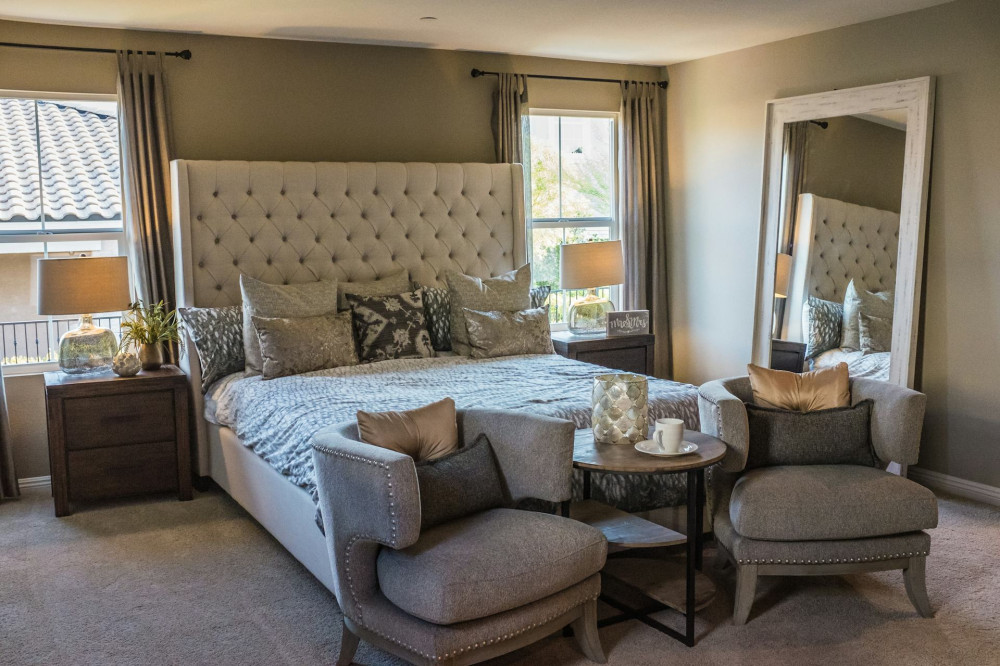
When decorating your home, walls play a much bigger role than many people realise. They set the tone for each room, and the choice of materials, colours, and finishes can completely transform the atmosphere. Instead of using the same wall type throughout your home, you can create a more dynamic and personal look by combining different wall types. It’s all about finding the right balance between contrast and harmony – and having the confidence to experiment with materials.

Why Combine Wall Types?

Mixing wall types isn’t just about aesthetics; it’s also about function. Some materials are better suited to certain rooms than others, and by combining them, you can achieve a result that’s both beautiful and practical.

  • Wood panelling adds warmth and texture, perfect for living areas where you want a natural and cosy feel.
  • Painted or plastered walls provide a calm, uniform background that lets furniture and artwork stand out.
  • Tiled walls are ideal for kitchens and bathrooms, as they handle moisture well and are easy to clean.
  • Wallpaper brings pattern, colour, and personality – great for bedrooms, hallways, or feature walls.

By blending these types, you can create a home that’s both functional and full of character.

Create Contrast with Materials

One of the most effective ways to add depth to a room is by playing with contrasts. A rough brick wall against smooth, painted surfaces gives a modern, industrial edge, while combining timber panels with plastered walls creates warmth and balance.

Think about how materials feel as well as how they look. A textured surface can add authenticity and interest, while a smooth wall feels sleek and refined. When you mix them, you get a dialogue between the raw and the polished – a combination that makes a space more engaging.

A good tip is to let one wall be the focal point – perhaps a timber-clad or stone-textured wall – and keep the others more subdued. This way, you achieve variation without overwhelming the room.

Colour and Light – The Keys to Harmony

When combining wall types, colour is crucial to achieving a harmonious result. Choose shades that complement each other and consider how light interacts with them. Natural light highlights textures and subtle tones, while artificial lighting can dramatically change how colours appear.

Dark walls can feel intimate and cosy, but they may also make a room seem smaller. To balance this, combine darker materials with lighter surfaces to maintain a sense of space.

If you’re unsure, start with neutral tones and introduce contrast through materials – for example, pale wood against white plaster or soft grey concrete paired with warm earthy hues.

Practical Considerations

Before you begin, think about maintenance and durability. Wood walls need proper treatment to resist moisture, while painted or plastered walls may need refreshing over time. In rooms with high humidity, such as bathrooms or utility areas, choose materials that can handle the conditions – like tiles, moisture-resistant paint, or treated timber.

It’s also worth considering acoustics. Hard surfaces like tiles and concrete reflect sound, while wood and textured finishes absorb it. A thoughtful mix can therefore improve both the look and the sound quality of your space.

How to Get Started

  1. Begin with one room – experiment in a smaller space before applying the concept throughout your home.
  2. Make a plan – sketch your room and mark where each material will go.
  3. Think about cohesion – even with variation, the walls should still feel connected in style and tone.
  4. Use samples – place materials and colours side by side before making final decisions.
  5. Seek inspiration – browse Irish interior design magazines, visit showrooms, or talk to local tradespeople to see how others have combined wall types.

Once you’ve found the right combination, you can either take on the project yourself or hire a professional painter, plasterer, or carpenter to ensure a polished finish.

A Home with Personality

Combining wall types is ultimately about creating a home that reflects who you are. It’s a way to move beyond uniformity and give your rooms character. Whether you mix wood and plaster, wallpaper and paint, or tiles and concrete, the key is to find a balance that feels natural.

A harmonious home doesn’t have to be perfect – it’s one where materials, colours, and atmosphere come together in a way that feels genuine and uniquely yours.

Adapt Building Techniques to Your Home Type
Build smarter by matching your renovation methods to your home’s unique structure
Carpenter
Carpenter
Home Renovation
Building Techniques
Sustainable Construction
Heritage Homes
Energy Efficiency
7 min
Every home has its own story and construction style. Learn how to adapt building techniques, materials, and insulation to suit your property’s age and design—preserving its character while improving comfort, efficiency, and durability.
Fergal O’Dwyer
Fergal
O’Dwyer
Combine Wall Types for a Unique and Harmonious Look
Mix materials, colours, and textures to give your walls depth and character
Carpenter
Carpenter
Interior Design
Home Decor
Wall Ideas
Colour Inspiration
Decorating Tips
7 min
Discover how combining different wall types can transform your home’s atmosphere. Learn to balance contrast and harmony through creative use of materials, colours, and finishes for a truly personal interior style.
Rachel O’Connell
Rachel
O’Connell
New and Reused Materials – Build Sustainably Without Compromising on Quality
Build greener with confidence – discover how sustainable materials can deliver both strength and style
Carpenter
Carpenter
Sustainable Building
Green Construction
Reused Materials
Eco Design
Home Improvement
7 min
Learn how to combine environmental responsibility with lasting quality in your next building project. From reused bricks to renewable timber, this guide shows how sustainable choices can enhance both performance and aesthetics without compromise.
Callum Burke
Callum
Burke
Adjust Hinges and Drawers for Long-Lasting and Optimal Performance
Keep your cabinets and drawers working smoothly with simple adjustments
Carpenter
Carpenter
Home Improvement
Furniture Maintenance
DIY
Cabinet Care
Interior Tips
6 min
Learn how to fine-tune hinges and drawers to prevent sagging doors, noisy fittings, and uneven movement. With a few easy steps, you can extend the life of your furniture and maintain a polished, functional look in your home.
Clara Power
Clara
Power
Coving – the small detail that completes your room
Add elegance and character to your home with the perfect finishing touch
Carpenter
Carpenter
Coving
Interior Design
Home Renovation
Decoration
Irish Homes
6 min
Discover how coving can transform your interior by creating a seamless connection between walls and ceilings. Learn about different materials, styles, and installation tips to find the ideal coving for your Irish home.
Ciara Keane
Ciara
Keane
Rustic Outdoor Living: Create an Atmospheric Garden with Natural Materials
Bring warmth and authenticity to your garden with wood, stone, and natural textures
Furniture
Furniture
Rustic Garden
Outdoor Living
Natural Materials
Garden Design
Home Decor
5 min
Discover how to design a rustic outdoor space that feels both timeless and inviting. Learn how to use natural materials, thoughtful details, and local inspiration to create a garden full of atmosphere, harmony, and heart.
Fergal O’Dwyer
Fergal
O’Dwyer
From Baroque to Sustainability – The Journey of Furniture Design Through the Centuries
Discover how furniture design reflects centuries of changing tastes, technologies, and values
Furniture
Furniture
Furniture Design
Interior Design
History of Design
Sustainability
Craftsmanship
3 min
From the lavish Baroque era to today’s focus on sustainability, furniture design has evolved alongside human culture and innovation. Explore how craftsmanship, materials, and aesthetics have transformed through the ages to shape the way we live and express ourselves.
Rachel O’Connell
Rachel
O’Connell
Share, Swap and Borrow: A Sustainable Path to More Responsible Living
Discover how sharing, swapping, and borrowing can make everyday living more sustainable and community-focused
Furniture
Furniture
Sustainability
Community
Eco Living
Mindful Consumption
Sharing Economy
7 min
Learn how embracing shared resources and mindful consumption can reduce waste, save money, and strengthen local connections. From community libraries to swap events, explore practical ways to live more responsibly and sustainably.
Callum Burke
Callum
Burke