Water Heater Materials – Key to Long Lifespan and Durability

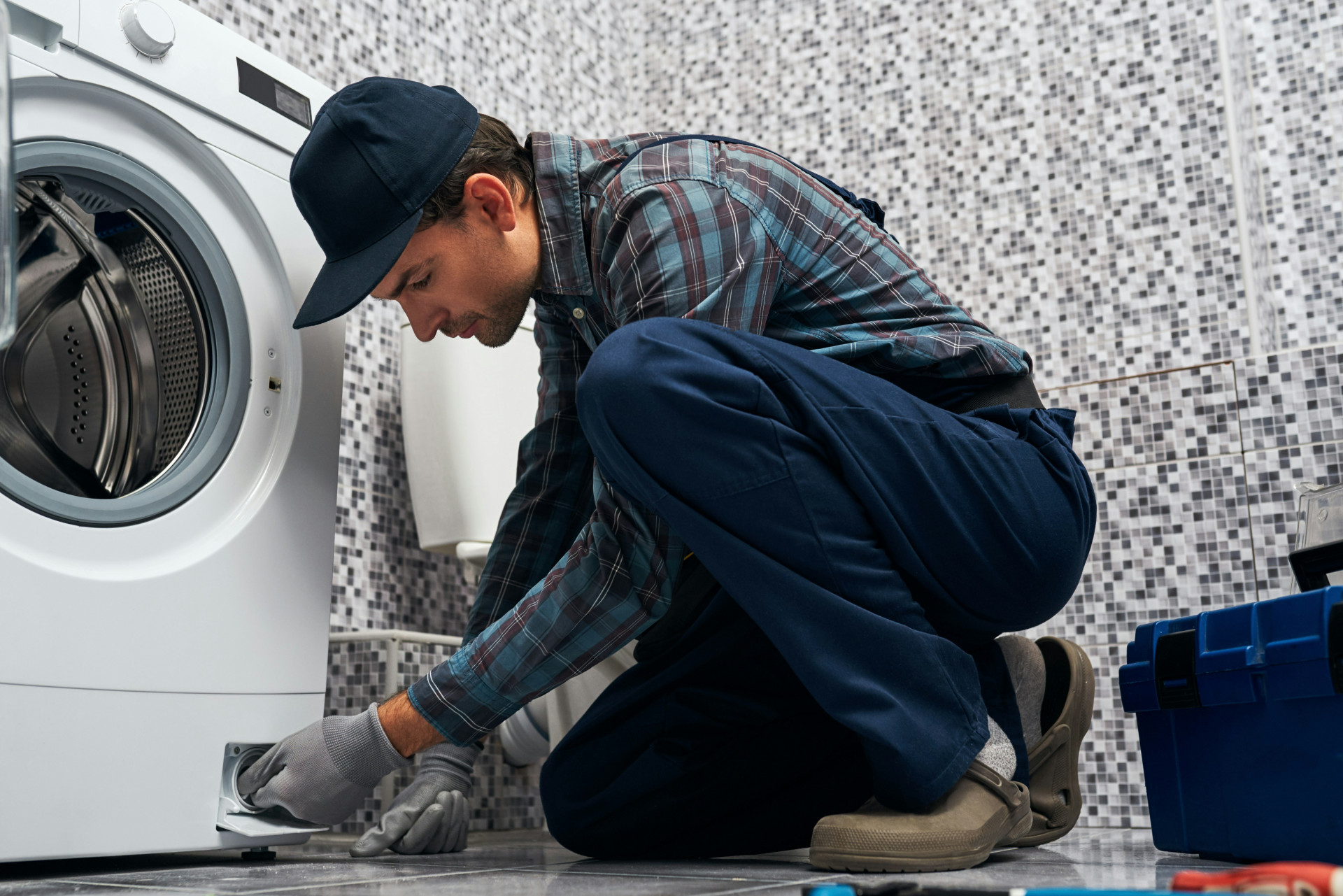
Discover how the right materials can extend your water heater’s life and boost performance
Plumbing
Plumbing
3 min
The materials inside your water heater play a crucial role in how long it lasts and how efficiently it runs. Learn which components matter most, how they affect durability and energy use, and what Irish homeowners should look for when choosing or maintaining a water heater.
Rachel O’Connell
Rachel
O’Connell

Water Heater Materials – Key to Long Lifespan and Durability

Discover how the right materials can extend your water heater’s life and boost performance
Plumbing
Plumbing
3 min
The materials inside your water heater play a crucial role in how long it lasts and how efficiently it runs. Learn which components matter most, how they affect durability and energy use, and what Irish homeowners should look for when choosing or maintaining a water heater.
Rachel O’Connell
Rachel
O’Connell

A water heater is one of those household essentials that most people rarely think about—until it stops working. Yet, how long a water heater lasts depends greatly on the materials it’s made from. The quality of the tank, coating, and internal components has a major impact on durability, energy efficiency, and resistance to corrosion. In this article, we’ll look at why materials matter so much and what Irish homeowners should consider when choosing or maintaining a water heater.

The Tank – The Heart of the Water Heater

The tank, where water is heated and stored, is the most exposed part of a water heater. It’s constantly in contact with hot water and oxygen, which can lead to rust and corrosion over time. That’s why the choice of tank material is crucial.

  • Enamelled steel is the most common material in modern water heaters. The steel is coated with a glass-like enamel that protects against corrosion. To prevent small cracks in the enamel from turning into rust, the tank is fitted with a magnesium anode, which sacrifices itself to protect the steel.
  • Stainless steel is used in higher-end models and usually doesn’t require an anode. It’s more resistant to corrosion, especially in areas with hard water—a common issue in many parts of Ireland—but it comes at a higher price.
  • Copper was once popular in smaller units. It conducts heat efficiently but can react with certain water types, so it’s less common today.

When choosing a tank material, consider both your local water quality and your expectations for lifespan. In areas with very hard or mineral-rich water, stainless steel can be a worthwhile investment, while enamelled steel remains a reliable and cost-effective choice for most homes.

Insulation – The Key to Energy Efficiency

A water heater always loses some heat, but the amount depends on the insulation. Most modern models use polyurethane (PUR) foam, which has excellent insulating properties and keeps water hot for longer without wasting energy.

Older heaters may have thinner or less effective insulation, meaning they use more electricity to maintain temperature. If your water heater is more than 10–15 years old, replacing it could save both energy and money—not to mention improve reliability.

The Anode – The Hidden Protector

In enamelled steel water heaters, the magnesium anode plays a vital role. It acts as a “sacrificial” component, corroding slowly instead of the tank itself. Over time, the anode wears out, and if it’s not replaced, the tank can begin to rust.

It’s recommended to have the anode checked every two to three years—especially in areas with hard water, such as Dublin, Kildare, or parts of Cork. A simple replacement can significantly extend the life of your water heater and prevent costly repairs.

The Heating Element – Where Metal Meets Water

The heating element, which warms the water, is typically made of copper or stainless steel. Copper conducts heat efficiently but is more prone to limescale buildup. Stainless steel is tougher and more resistant to corrosion, though it may take slightly longer to heat water.

In hard-water regions, limescale can quickly form on the heating element, reducing efficiency and increasing energy use. Regular descaling—either by a professional or using a suitable descaling agent—can help maintain performance and extend the heater’s lifespan.

Outer Casing and Fittings – Small Details That Matter

While the inside of the water heater is most important, the outer materials also play a role. A corrosion-resistant outer casing made of plastic or coated steel protects against moisture and physical damage. Likewise, pipe connections and valves should be made from materials suited to your water type—such as brass or stainless steel—to prevent galvanic corrosion.

Maintenance and Lifespan

Even the best water heater needs a bit of care to last for many years. Here are some simple maintenance tips:

  • Have the anode checked regularly.
  • Descale the heater as needed.
  • Ensure the safety valve is working properly.
  • Watch for signs of rust, leaks, or discolouration around fittings.

A well-maintained water heater can often last 15–20 years—or even longer—depending on materials and usage.

Materials and the Future

The industry is moving toward more sustainable and recyclable materials. Manufacturers are increasingly using eco-friendly insulation and recyclable steel, while improving energy efficiency. This means that future water heaters will not only be more durable but also more environmentally responsible.

When choosing a new water heater, it’s worth looking beyond the price tag and considering the quality of the materials. It’s an investment that pays off—in reliability, energy savings, and a smaller environmental footprint.

Stay Up to Date: How to Keep Up with New Methods and Materials in the Plumbing Industry
Stay competitive and confident by mastering the latest tools, materials, and trends in modern plumbing
Plumbing
Plumbing
Plumbing
Professional Development
Sustainable Building
Construction Industry
Innovation
5 min
The plumbing industry is changing fast, with new technologies, sustainable materials, and smarter systems reshaping how professionals work. Learn how to keep your skills current, stay informed about innovations, and make the most of emerging opportunities in the trade.
Fergal O’Dwyer
Fergal
O’Dwyer
Water Heater Materials – Key to Long Lifespan and Durability
Discover how the right materials can extend your water heater’s life and boost performance
Plumbing
Plumbing
Water Heater
Home Maintenance
Energy Efficiency
Plumbing
Home Improvement
3 min
The materials inside your water heater play a crucial role in how long it lasts and how efficiently it runs. Learn which components matter most, how they affect durability and energy use, and what Irish homeowners should look for when choosing or maintaining a water heater.
Rachel O’Connell
Rachel
O’Connell
Lime and Materials: How Steel, Chrome and Plastic Are Affected
Discover how limescale interacts with different materials in your home
Plumbing
Plumbing
Limescale
Home Maintenance
Bathroom
Kitchen
Cleaning Tips
3 min
Limescale can dull the shine of your bathroom and kitchen surfaces, but its effects vary depending on the material. Learn how steel, chrome and plastic respond to hard water deposits, and get practical tips on cleaning, maintenance and prevention to keep your fittings looking their best.
Callum Burke
Callum
Burke
Bathroom Lighting: How to Combine Ceiling Lights, Wall Lamps and Indirect Illumination
Create the perfect balance of function and atmosphere with layered bathroom lighting
Plumbing
Plumbing
Bathroom Lighting
Interior Design
Home Improvement
Lighting Ideas
Bathroom Decor
3 min
Discover how to combine ceiling lights, wall lamps, and indirect illumination to make your bathroom both practical and relaxing. Learn how to plan lighting zones, enhance comfort at the mirror, and create a soothing ambiance for every part of your daily routine.
Clara Power
Clara
Power
Eco-Friendly Cleaning: Gentle Solutions for Your Toilet and the Environment
Discover simple, sustainable ways to keep your toilet spotless without harming the planet
Plumbing
Plumbing
Eco-Friendly Cleaning
Sustainable Living
Natural Cleaning
Home Care
Green Tips
6 min
Learn how to replace harsh chemical cleaners with natural, eco-friendly alternatives that protect your home, your health, and the environment. This guide shows you how small changes in your cleaning routine can make a big difference for a greener lifestyle.
Ciara Keane
Ciara
Keane
Rustic Outdoor Living: Create an Atmospheric Garden with Natural Materials
Bring warmth and authenticity to your garden with wood, stone, and natural textures
Furniture
Furniture
Rustic Garden
Outdoor Living
Natural Materials
Garden Design
Home Decor
5 min
Discover how to design a rustic outdoor space that feels both timeless and inviting. Learn how to use natural materials, thoughtful details, and local inspiration to create a garden full of atmosphere, harmony, and heart.
Fergal O’Dwyer
Fergal
O’Dwyer
From Baroque to Sustainability – The Journey of Furniture Design Through the Centuries
Discover how furniture design reflects centuries of changing tastes, technologies, and values
Furniture
Furniture
Furniture Design
Interior Design
History of Design
Sustainability
Craftsmanship
3 min
From the lavish Baroque era to today’s focus on sustainability, furniture design has evolved alongside human culture and innovation. Explore how craftsmanship, materials, and aesthetics have transformed through the ages to shape the way we live and express ourselves.
Rachel O’Connell
Rachel
O’Connell
Share, Swap and Borrow: A Sustainable Path to More Responsible Living
Discover how sharing, swapping, and borrowing can make everyday living more sustainable and community-focused
Furniture
Furniture
Sustainability
Community
Eco Living
Mindful Consumption
Sharing Economy
7 min
Learn how embracing shared resources and mindful consumption can reduce waste, save money, and strengthen local connections. From community libraries to swap events, explore practical ways to live more responsibly and sustainably.
Callum Burke
Callum
Burke