Lime and Materials: How Steel, Chrome and Plastic Are Affected

Discover how limescale interacts with different materials in your home
Plumbing
Plumbing
3 min
Limescale can dull the shine of your bathroom and kitchen surfaces, but its effects vary depending on the material. Learn how steel, chrome and plastic respond to hard water deposits, and get practical tips on cleaning, maintenance and prevention to keep your fittings looking their best.
Callum Burke
Callum
Burke

Lime and Materials: How Steel, Chrome and Plastic Are Affected

Discover how limescale interacts with different materials in your home
Plumbing
Plumbing
3 min
Limescale can dull the shine of your bathroom and kitchen surfaces, but its effects vary depending on the material. Learn how steel, chrome and plastic respond to hard water deposits, and get practical tips on cleaning, maintenance and prevention to keep your fittings looking their best.
Callum Burke
Callum
Burke

Limescale is a common issue in many Irish homes, especially in areas with hard water. It appears as white, chalky deposits on taps, tiles and shower screens – and over time, it can wear down surfaces and shorten the lifespan of fittings. But not all materials react to lime in the same way. Steel, chrome and plastic each respond differently, which matters when it comes to cleaning, maintenance and choosing materials for your home. Here’s an overview of how limescale affects these three common materials in Irish bathrooms and kitchens – and how you can best protect them.

What Is Limescale – and Why Does It Build Up?

Limescale is mainly made up of calcium and magnesium salts that occur naturally in water. When water is heated or evaporates, these minerals are left behind as hard, white deposits. The harder the water, the more limescale forms. In Ireland, water hardness varies widely: it’s relatively soft in parts of the west and north, but much harder in areas supplied by limestone aquifers, such as Dublin, Meath and Kildare.

Limescale isn’t harmful to health, but it can be annoying and, over time, damaging to surfaces, valves and seals. Understanding how different materials react helps you take the right steps before problems arise.

Steel – Strong but Not Invincible

Stainless steel is a popular choice in Irish kitchens and bathrooms because it’s durable, hygienic and resistant to rust. However, even stainless steel can suffer from limescale if it’s not maintained properly.

Lime deposits appear as dull spots that can be difficult to remove. If left untreated, they can trap moisture and cause minor discolouration. Over time, this can weaken the protective surface layer that keeps the steel shiny and corrosion-resistant.

How to protect steel:

  • Wipe surfaces dry after use, especially around sinks and taps.
  • Use mild, non-acidic cleaning products.
  • Avoid steel wool or abrasive powders that can scratch.
  • Remove limescale with a mix of vinegar and water, but rinse thoroughly afterwards.

Chrome – Elegant but Delicate

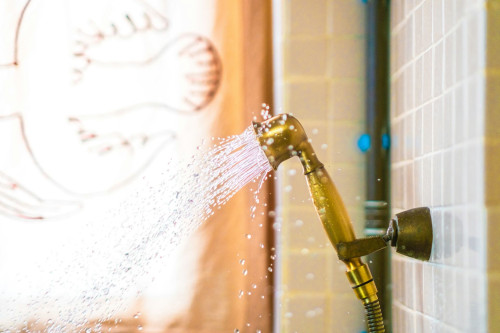
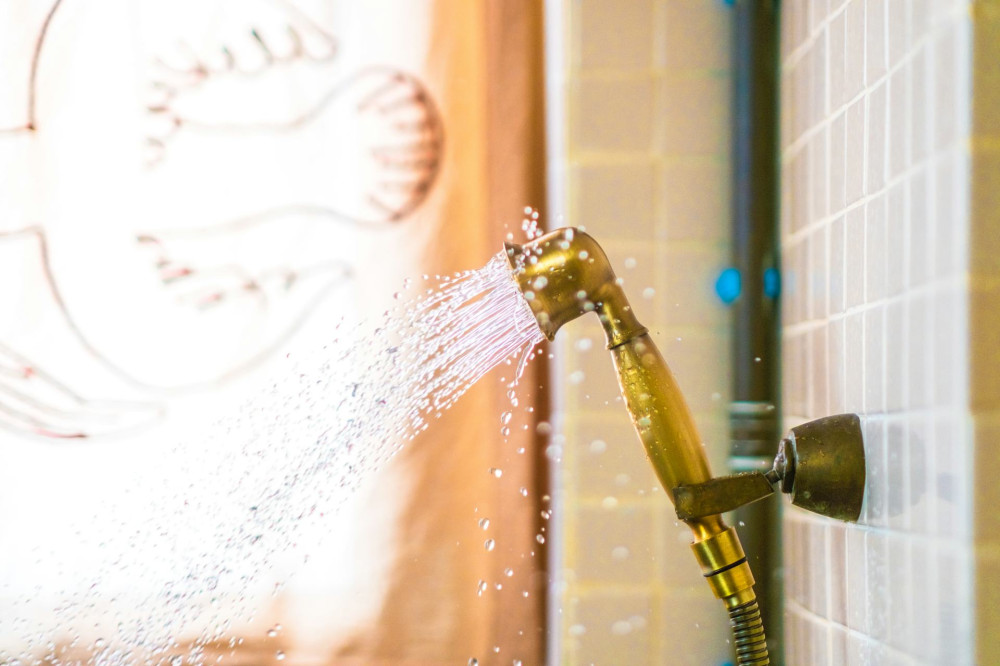
Chrome fittings and showerheads add a sleek, reflective finish to bathrooms, but they’re more sensitive to limescale and cleaning agents than many people realise. The chrome layer is thin and can be damaged by strong acids or abrasive cleaners.

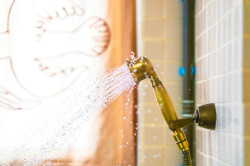
Limescale builds up quickly on chrome, particularly in showers where water evaporates on the surface. If not cleaned regularly, the deposits can dull the shine and become difficult to remove without scratching.

How to care for chrome:

  • Wipe taps and fittings with a soft cloth after each use.
  • Use a mild vinegar solution to dissolve limescale, but don’t leave it on for long.
  • Avoid products containing ammonia or abrasives.
  • Polish with a dry microfibre cloth to restore the shine.

Plastic – Practical but Prone to Discolouration

Plastic is used in many plumbing components, from shower hoses to drain fittings. It’s lightweight, affordable and resistant to rust – but limescale can still cling to it, leaving stains or rough patches.

Some plastics don’t tolerate strong acids, so be cautious with vinegar or commercial descalers. Repeated use of acidic cleaners can make plastic brittle or dull over time.

How to maintain plastic:

  • Clean regularly with warm water and mild soap.
  • If needed, use a weak vinegar solution, testing it first on a small area.
  • Avoid scrubbing too hard – use a soft sponge instead.
  • Rinse thoroughly to remove any cleaning residue.

Prevention – The Best Defence Against Limescale

While cleaning helps, prevention is the most effective way to protect your materials. Installing a water softener or limescale filter can significantly reduce mineral content in hard-water areas, making a noticeable difference to taps, tiles and appliances.

Simple daily habits also help:

  • Wipe surfaces dry after use.
  • Use a squeegee on tiles and glass panels.
  • Descale showerheads and aerators regularly.
  • Check seals and washers, which can stiffen due to limescale.

A Clean Look – and Longer Lifespan

Limescale is a natural part of living with hard water, but with the right care, you can keep steel, chrome and plastic looking their best for years. It’s not just about appearance – regular maintenance extends the life of your fixtures and reduces the risk of damage.

By understanding how each material reacts and taking timely action, you can preserve both function and finish – and keep your kitchen or bathroom sparkling, even in Ireland’s hardest water areas.

Stay Up to Date: How to Keep Up with New Methods and Materials in the Plumbing Industry
Stay competitive and confident by mastering the latest tools, materials, and trends in modern plumbing
Plumbing
Plumbing
Plumbing
Professional Development
Sustainable Building
Construction Industry
Innovation
5 min
The plumbing industry is changing fast, with new technologies, sustainable materials, and smarter systems reshaping how professionals work. Learn how to keep your skills current, stay informed about innovations, and make the most of emerging opportunities in the trade.
Fergal O’Dwyer
Fergal
O’Dwyer
Water Heater Materials – Key to Long Lifespan and Durability
Discover how the right materials can extend your water heater’s life and boost performance
Plumbing
Plumbing
Water Heater
Home Maintenance
Energy Efficiency
Plumbing
Home Improvement
3 min
The materials inside your water heater play a crucial role in how long it lasts and how efficiently it runs. Learn which components matter most, how they affect durability and energy use, and what Irish homeowners should look for when choosing or maintaining a water heater.
Rachel O’Connell
Rachel
O’Connell
Lime and Materials: How Steel, Chrome and Plastic Are Affected
Discover how limescale interacts with different materials in your home
Plumbing
Plumbing
Limescale
Home Maintenance
Bathroom
Kitchen
Cleaning Tips
3 min
Limescale can dull the shine of your bathroom and kitchen surfaces, but its effects vary depending on the material. Learn how steel, chrome and plastic respond to hard water deposits, and get practical tips on cleaning, maintenance and prevention to keep your fittings looking their best.
Callum Burke
Callum
Burke
Bathroom Lighting: How to Combine Ceiling Lights, Wall Lamps and Indirect Illumination
Create the perfect balance of function and atmosphere with layered bathroom lighting
Plumbing
Plumbing
Bathroom Lighting
Interior Design
Home Improvement
Lighting Ideas
Bathroom Decor
3 min
Discover how to combine ceiling lights, wall lamps, and indirect illumination to make your bathroom both practical and relaxing. Learn how to plan lighting zones, enhance comfort at the mirror, and create a soothing ambiance for every part of your daily routine.
Clara Power
Clara
Power
Eco-Friendly Cleaning: Gentle Solutions for Your Toilet and the Environment
Discover simple, sustainable ways to keep your toilet spotless without harming the planet
Plumbing
Plumbing
Eco-Friendly Cleaning
Sustainable Living
Natural Cleaning
Home Care
Green Tips
6 min
Learn how to replace harsh chemical cleaners with natural, eco-friendly alternatives that protect your home, your health, and the environment. This guide shows you how small changes in your cleaning routine can make a big difference for a greener lifestyle.
Ciara Keane
Ciara
Keane
Rustic Outdoor Living: Create an Atmospheric Garden with Natural Materials
Bring warmth and authenticity to your garden with wood, stone, and natural textures
Furniture
Furniture
Rustic Garden
Outdoor Living
Natural Materials
Garden Design
Home Decor
5 min
Discover how to design a rustic outdoor space that feels both timeless and inviting. Learn how to use natural materials, thoughtful details, and local inspiration to create a garden full of atmosphere, harmony, and heart.
Fergal O’Dwyer
Fergal
O’Dwyer
From Baroque to Sustainability – The Journey of Furniture Design Through the Centuries
Discover how furniture design reflects centuries of changing tastes, technologies, and values
Furniture
Furniture
Furniture Design
Interior Design
History of Design
Sustainability
Craftsmanship
3 min
From the lavish Baroque era to today’s focus on sustainability, furniture design has evolved alongside human culture and innovation. Explore how craftsmanship, materials, and aesthetics have transformed through the ages to shape the way we live and express ourselves.
Rachel O’Connell
Rachel
O’Connell
Share, Swap and Borrow: A Sustainable Path to More Responsible Living
Discover how sharing, swapping, and borrowing can make everyday living more sustainable and community-focused
Furniture
Furniture
Sustainability
Community
Eco Living
Mindful Consumption
Sharing Economy
7 min
Learn how embracing shared resources and mindful consumption can reduce waste, save money, and strengthen local connections. From community libraries to swap events, explore practical ways to live more responsibly and sustainably.
Callum Burke
Callum
Burke