The Importance of the Cavity Wall for Sound Insulation

The Importance of the Cavity Wall for Sound Insulation
When we think about comfort at home, most of us focus on warmth, ventilation, and energy efficiency. Yet sound plays an equally important role in how pleasant a living space feels. Unwanted noise from traffic, neighbours, or even household systems can affect concentration, relaxation, and sleep. One of the most effective – but often overlooked – features for controlling sound in masonry buildings is the cavity wall. The way this wall is built and insulated has a major impact on how well it blocks and absorbs noise.
What Is a Cavity Wall?
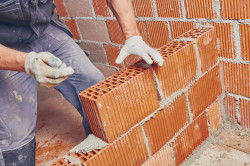
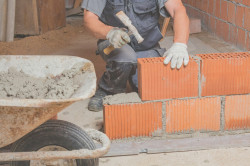
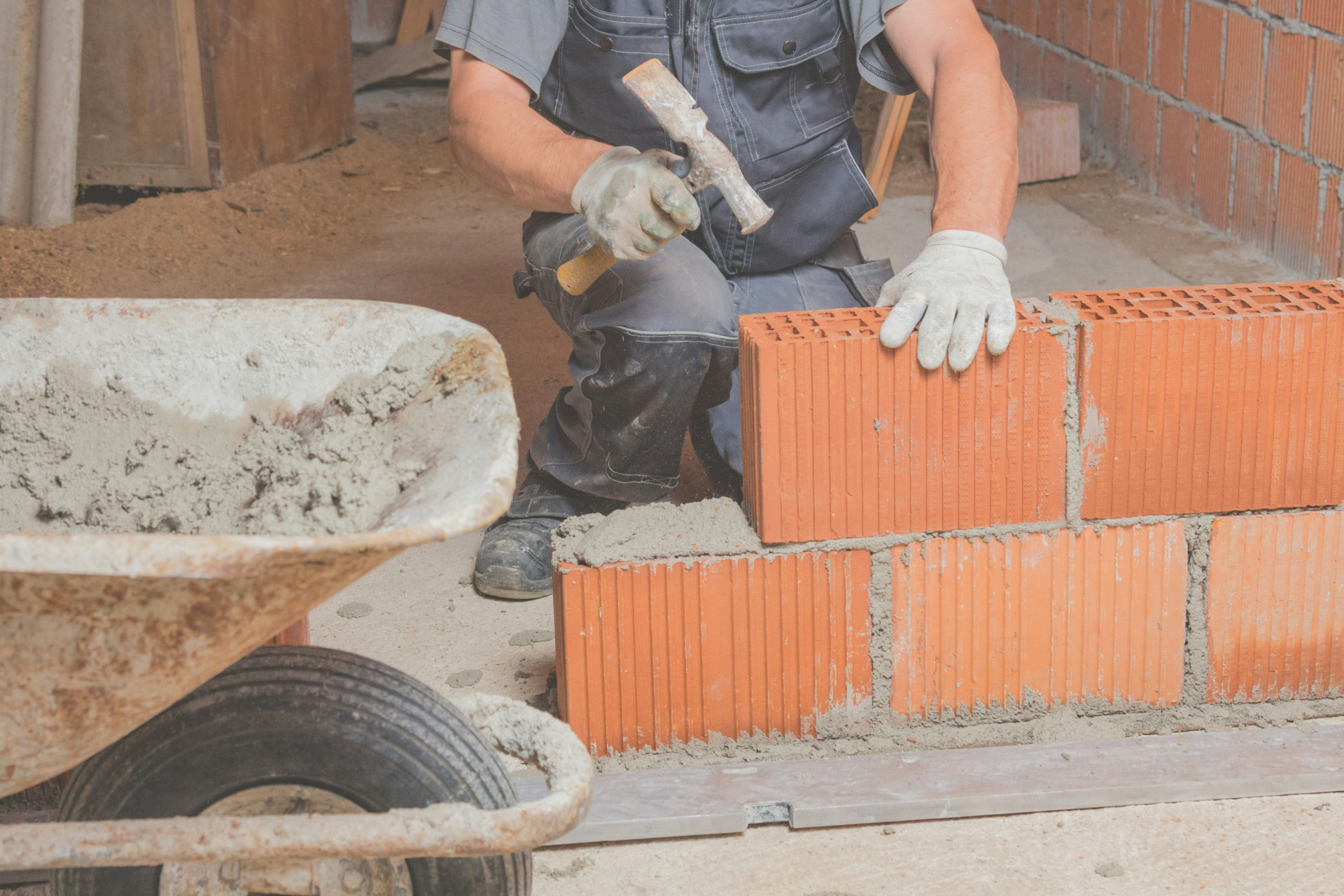
A cavity wall consists of two separate walls – an outer leaf and an inner leaf – with a gap between them known as the cavity. In older Irish homes, this cavity was often left as an air space, while in modern construction it is usually filled with insulation such as mineral wool or polystyrene beads. The main purpose of the cavity wall is to prevent moisture and heat loss, but its structure also plays a key role in how sound travels through the wall.
How Sound Travels Through the Wall
Sound moves as vibrations through materials. When sound waves hit a wall, they cause it to vibrate, and some of that energy passes through to the other side. The heavier and more separated the layers are, the harder it is for sound to pass through.
In a cavity wall, the two leaves act as independent layers, and the cavity between them acts as a buffer zone. If the cavity is properly constructed, it can significantly reduce sound transmission. However, if there are rigid connections – such as mortar bridges or wall ties that are not acoustically isolated – sound can travel more easily from the outer to the inner wall.
The Role of Insulation
The insulation inside the cavity wall affects not only heat retention but also sound insulation. Soft, porous materials like mineral wool absorb sound energy and reduce resonance within the cavity. This means that a well-insulated cavity wall not only keeps your home warmer but also quieter.
Conversely, a cavity wall with no insulation or with hard, dense materials can perform poorly in terms of sound insulation. In many Irish homes built before the 1980s, retrofitting cavity wall insulation can therefore improve both energy efficiency and acoustic comfort.
Læs også:
Common Issues and How to Address Them
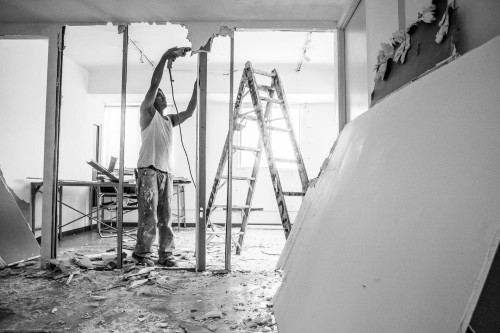
In older properties, it is not unusual to find cavities that have been bridged by mortar or debris, creating direct contact between the two leaves. This greatly reduces the wall’s ability to block sound. A professional inspection using thermal imaging or a borescope can help identify such problems.
If the cavity is empty, it may be worth considering cavity wall insulation using mineral wool or bead systems. However, it is essential that the work is carried out correctly to avoid moisture problems, especially in Ireland’s damp climate. In some cases, additional internal soundproofing may be needed if external noise levels are particularly high.
The Balance Between Mass and Separation
The best sound insulation is achieved when a wall combines high mass with effective separation. A heavy inner wall made of brick or concrete helps block low-frequency sounds, while the cavity and insulation reduce higher-frequency noise. This combination is what makes the cavity wall such an effective design – provided it is built without rigid sound bridges.
Building or Renovating in Ireland
For new builds, sound insulation can be optimised from the design stage. This might include increasing the cavity width, using acoustic-grade insulation, and ensuring that wall ties and junctions are designed to minimise sound transfer. Irish building regulations (Part E – Sound) set minimum standards for sound insulation, but exceeding these standards can make a noticeable difference in comfort.
For existing homes, improvements can be made by retrofitting cavity insulation, sealing gaps around windows and doors, and adding internal acoustic panels if needed. These upgrades not only reduce noise but can also enhance the property’s energy performance and value.
A Quiet Benefit Within the Walls
Although the cavity wall is rarely visible, it plays a crucial role in how peaceful and comfortable a home feels. A well-constructed and properly insulated cavity wall can make the difference between a house where every outside sound is heard – and a home where you can truly enjoy the quiet.
Læs også: