Facade renovation: What can you do yourself?

Give your home a fresh look while protecting it from the Irish weather
Bricklayer
Bricklayer
6 min
Learn how to assess, clean, and repair your home’s facade safely and effectively. This guide helps you understand which renovation tasks you can tackle yourself and when it’s best to bring in a professional.
Ciara Keane
Ciara
Keane

Facade renovation: What can you do yourself?

Give your home a fresh look while protecting it from the Irish weather
Bricklayer
Bricklayer
6 min
Learn how to assess, clean, and repair your home’s facade safely and effectively. This guide helps you understand which renovation tasks you can tackle yourself and when it’s best to bring in a professional.
Ciara Keane
Ciara
Keane

A well-kept facade doesn’t just make your home look good – it also protects the structure from Ireland’s wind, rain, and salt-laden air. But when paint starts to peel, mortar crumbles, or damp patches appear, the question arises: how much can you actually do yourself, and when should you call in a professional? Here’s a guide to what Irish homeowners can handle on their own – and where to draw the line.

Start with a careful inspection

Before you pick up a brush or trowel, take time to assess the condition of your facade. On a dry day, walk around your house and look for:

  • Cracks in render or brickwork
  • Flaking paint or loose plaster
  • Dark or greenish patches that may indicate damp
  • Crumbling or missing mortar joints

Minor issues can often be fixed with simple tools and materials. However, if you notice large cracks, bulging render, or signs of moisture inside the walls, it’s best to get professional advice. These could point to structural or damp problems that need expert attention.

Cleaning the facade – a good place to start

A thorough cleaning can make a huge difference. Dirt, algae, and pollution can make walls look tired, but they’re often easy to remove. Use a soft brush, warm water, and a mild detergent. Avoid using a high-pressure washer unless you know what you’re doing – too much pressure can damage brickwork and force water into the wall.

For brick or stone facades, you can use a specialist facade cleaner or an algae remover suitable for Irish weather conditions. Always rinse well afterwards to prevent residue from damaging the surface.

Repointing – a classic DIY task

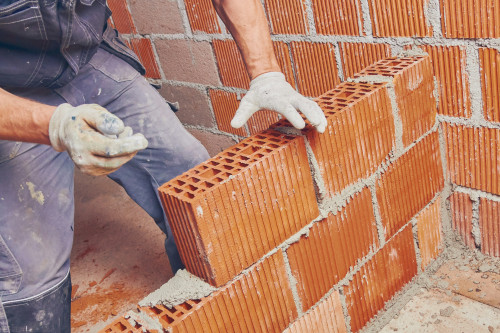
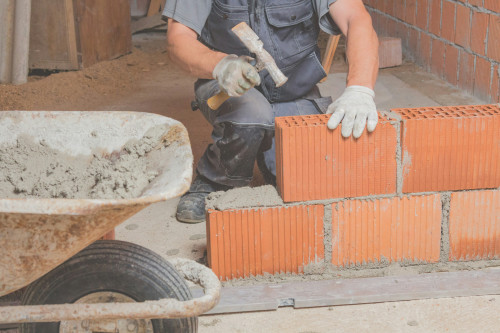
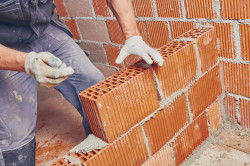
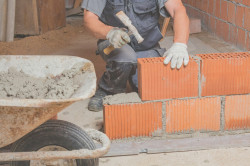
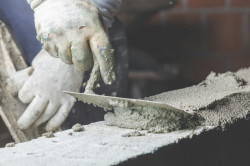
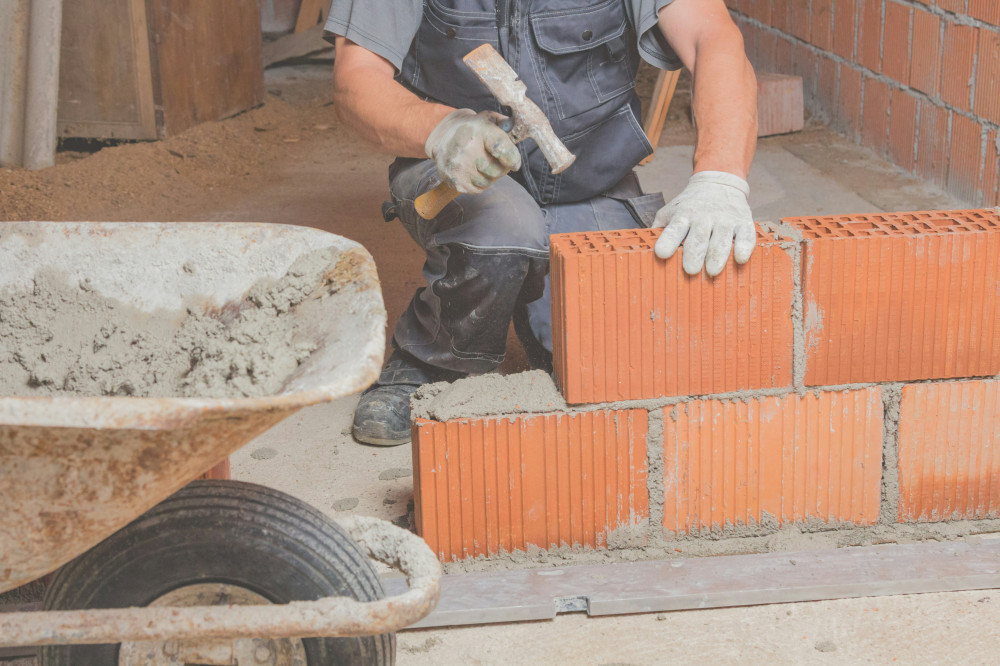
If the mortar between your bricks has started to crumble, you can repoint small areas yourself. It takes patience but not necessarily specialist tools.

  1. Rake out the loose mortar with a joint raker or chisel.
  2. Brush away dust and lightly dampen the area.
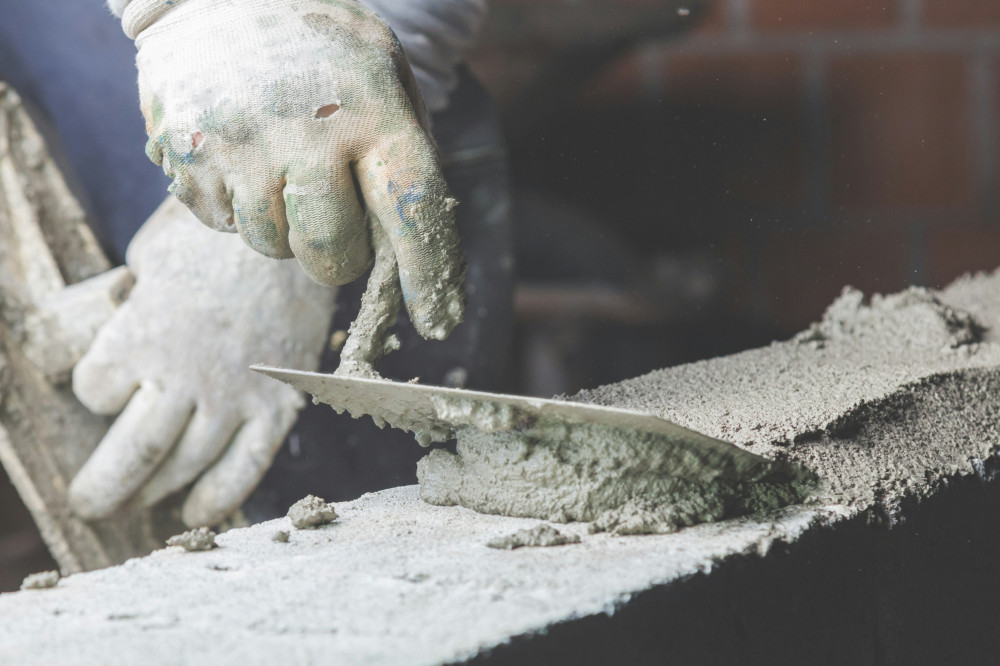
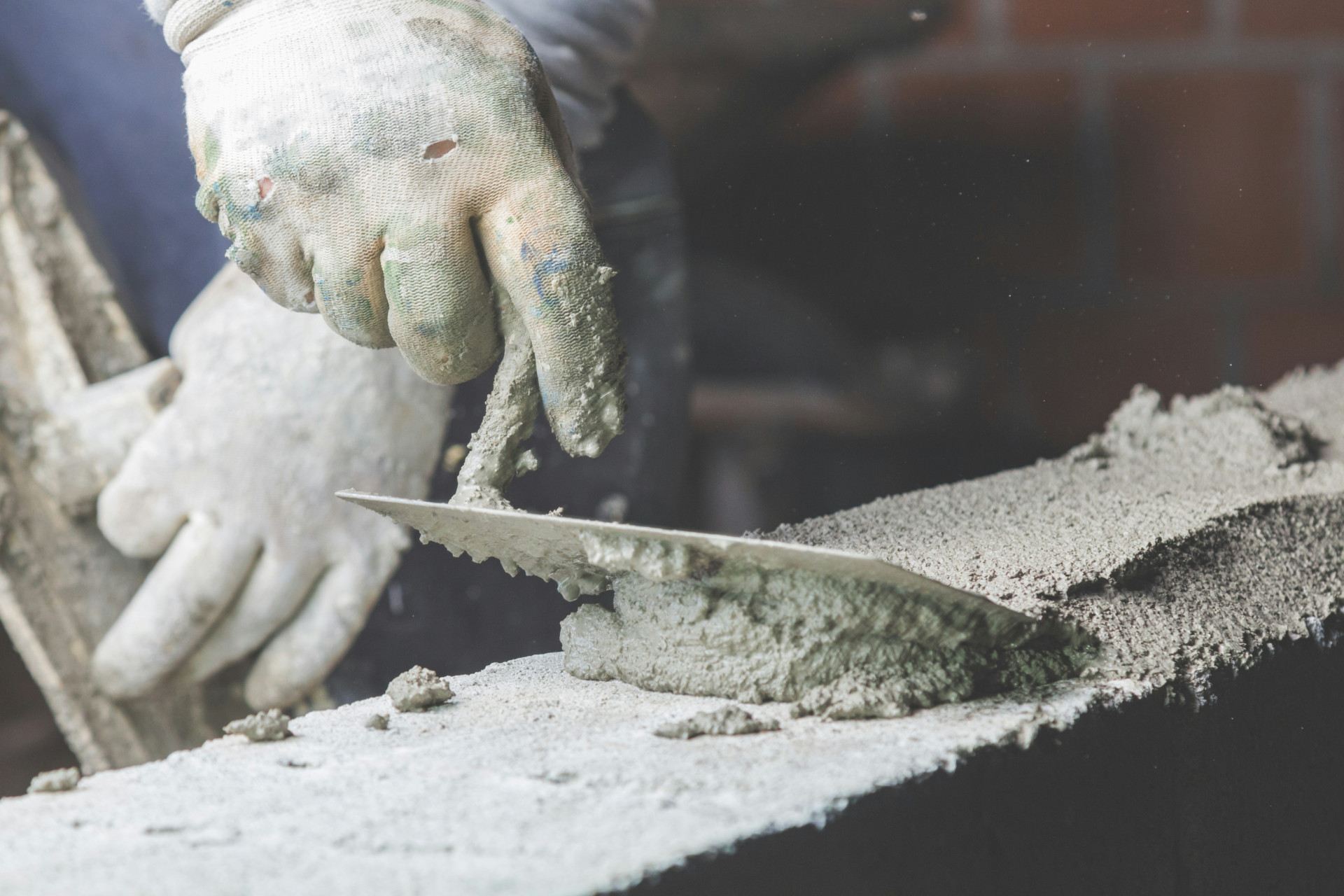
  3. Apply new mortar using a pointing trowel or mortar gun.
  4. Smooth the joints and let them cure slowly – ideally in mild, overcast weather.

Choose a mortar that matches your home’s age and materials. Older Irish houses often need a lime-based mortar that allows the wall to breathe, while newer homes can use cement-based mixes.

Repairing render and paint

If your rendered facade has small patches of damage, you can repair them yourself. Remove any loose material, brush the area clean, and apply new render that matches the existing texture. Once it’s dry, paint with a breathable exterior paint designed for Irish conditions – one that allows moisture to escape.

Never paint over damp or damaged render, as this can trap moisture and worsen the problem. If large sections are loose or bulging, it’s time to call a plasterer or builder.

Insulation and major renovations – leave it to the experts

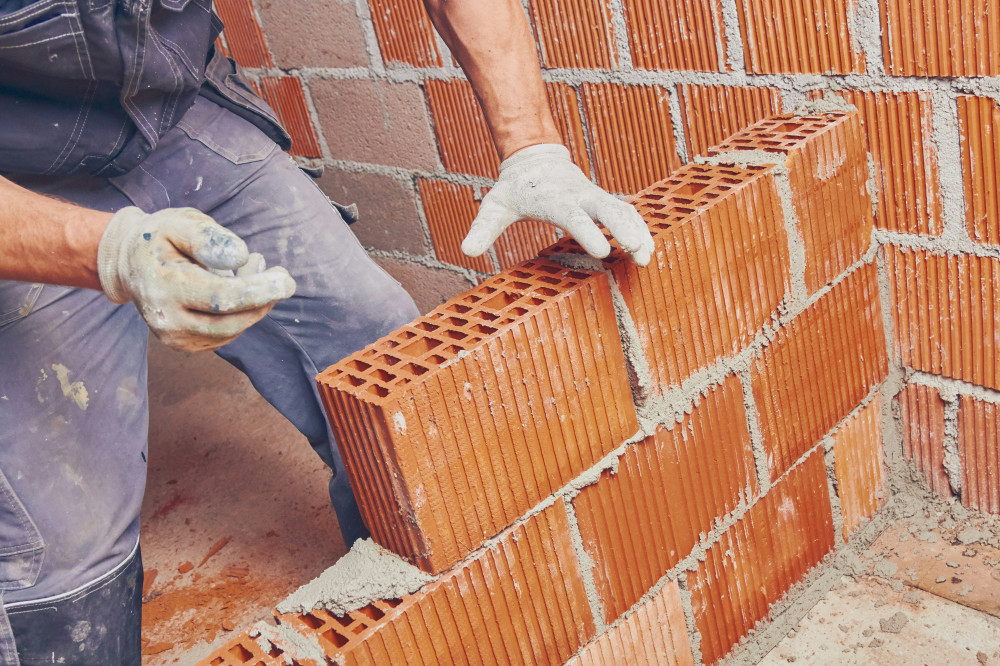
While many small jobs are manageable, bigger projects should be left to professionals. External wall insulation, full repointing, or replacing damaged bricks require experience and the right equipment. Poorly executed work can lead to damp, cracking, or loss of insulation performance.

A qualified tradesperson can also advise on materials, colours, and finishes that suit your home’s style and comply with local planning or heritage requirements.

Maintenance – the key to a healthy facade

Once your facade is in good shape, regular maintenance will keep it that way. Inspect your home at least once a year, especially after winter storms. Clean off algae and dirt before they take hold, and make sure gutters and downpipes are clear so rainwater drains away properly.

Small repairs done in time can save you from costly renovations later – and help your home stay attractive and weatherproof for years to come.

DIY – but with care

Facade renovation doesn’t have to be daunting, but it does require respect for the materials and an understanding of how your home is built. Start with the simple tasks, and don’t hesitate to seek advice if you’re unsure. With a bit of effort and care, you can preserve your home’s character and protect it from Ireland’s weather – all while taking pride in doing it yourself.

When Is a Façade Too Damaged to Be Cleaned?
Know when cleaning helps—and when it harms your home’s exterior
Bricklayer
Bricklayer
Façade Maintenance
Home Improvement
Exterior Cleaning
Building Care
Property Preservation
2 min
A spotless façade can boost your home’s appearance, but cleaning a damaged surface can cause more harm than good. Learn how to recognize the warning signs, understand the needs of different materials, and discover safer alternatives to protect your property.
Fergal O’Dwyer
Fergal
O’Dwyer
Create Patterns in Brickwork with Creative Brick Placement
Transform ordinary brick walls into eye-catching designs with creative patterns and textures
Bricklayer
Bricklayer
Brickwork
Architecture
Home Design
Building Techniques
Exterior Design
5 min
Discover how thoughtful brick placement can turn any wall into a unique architectural feature. Learn about classic bonds, colour contrasts, and modern design techniques that bring depth, character, and personality to your brickwork.
Rachel O’Connell
Rachel
O’Connell
Extend Your Plinth’s Lifespan with Simple Maintenance Steps
Keep your home’s foundation strong with easy care and regular attention
Bricklayer
Bricklayer
Home Maintenance
Plinth Care
Property Protection
House Exterior
DIY Tips
3 min
Your plinth protects your home from moisture and weather damage, yet it’s often forgotten in routine maintenance. Learn how a few simple cleaning, inspection, and repair steps can extend its lifespan and keep your house in top condition.
Callum Burke
Callum
Burke
The Importance of the Cavity Wall for Sound Insulation
Discover how the structure of your walls can make your home quieter and more comfortable
Bricklayer
Bricklayer
Sound Insulation
Cavity Wall
Home Comfort
Building Design
Acoustic Performance
3 min
Noise can easily disturb the peace of your home, but the right wall design can make a big difference. Learn how cavity walls work to reduce sound transmission, improve acoustic comfort, and enhance the overall quality of your living environment.
Clara Power
Clara
Power
Facade renovation: What can you do yourself?
Give your home a fresh look while protecting it from the Irish weather
Bricklayer
Bricklayer
Facade Renovation
Home Improvement
DIY
Maintenance
Exterior Care
6 min
Learn how to assess, clean, and repair your home’s facade safely and effectively. This guide helps you understand which renovation tasks you can tackle yourself and when it’s best to bring in a professional.
Ciara Keane
Ciara
Keane
Rustic Outdoor Living: Create an Atmospheric Garden with Natural Materials
Bring warmth and authenticity to your garden with wood, stone, and natural textures
Furniture
Furniture
Rustic Garden
Outdoor Living
Natural Materials
Garden Design
Home Decor
5 min
Discover how to design a rustic outdoor space that feels both timeless and inviting. Learn how to use natural materials, thoughtful details, and local inspiration to create a garden full of atmosphere, harmony, and heart.
Fergal O’Dwyer
Fergal
O’Dwyer
From Baroque to Sustainability – The Journey of Furniture Design Through the Centuries
Discover how furniture design reflects centuries of changing tastes, technologies, and values
Furniture
Furniture
Furniture Design
Interior Design
History of Design
Sustainability
Craftsmanship
3 min
From the lavish Baroque era to today’s focus on sustainability, furniture design has evolved alongside human culture and innovation. Explore how craftsmanship, materials, and aesthetics have transformed through the ages to shape the way we live and express ourselves.
Rachel O’Connell
Rachel
O’Connell
Share, Swap and Borrow: A Sustainable Path to More Responsible Living
Discover how sharing, swapping, and borrowing can make everyday living more sustainable and community-focused
Furniture
Furniture
Sustainability
Community
Eco Living
Mindful Consumption
Sharing Economy
7 min
Learn how embracing shared resources and mindful consumption can reduce waste, save money, and strengthen local connections. From community libraries to swap events, explore practical ways to live more responsibly and sustainably.
Callum Burke
Callum
Burke