Plan Your Office – Choose the Right Furniture and Features with Care

Plan Your Office – Choose the Right Furniture and Features with Care
A well-designed office is about more than just looks – it’s about function, comfort, and productivity. Whether you’re setting up a home office in Dublin or furnishing a shared workspace in Cork, the right choices in furniture and layout can make a real difference to how you work and feel. Here’s how to plan your office thoughtfully – from the first ideas to the finishing touches that bring it all together.
Start with Your Needs – Not the Furniture
Before you start shopping for desks and chairs, take a moment to think about how the space will be used. Is it a place for focused work, creative collaboration, or flexible teamwork? Your needs should guide your choices.
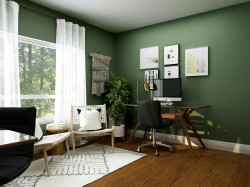
- Home or single-person office: Focus on quiet, ergonomics, and personal comfort.
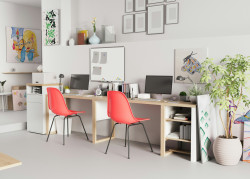
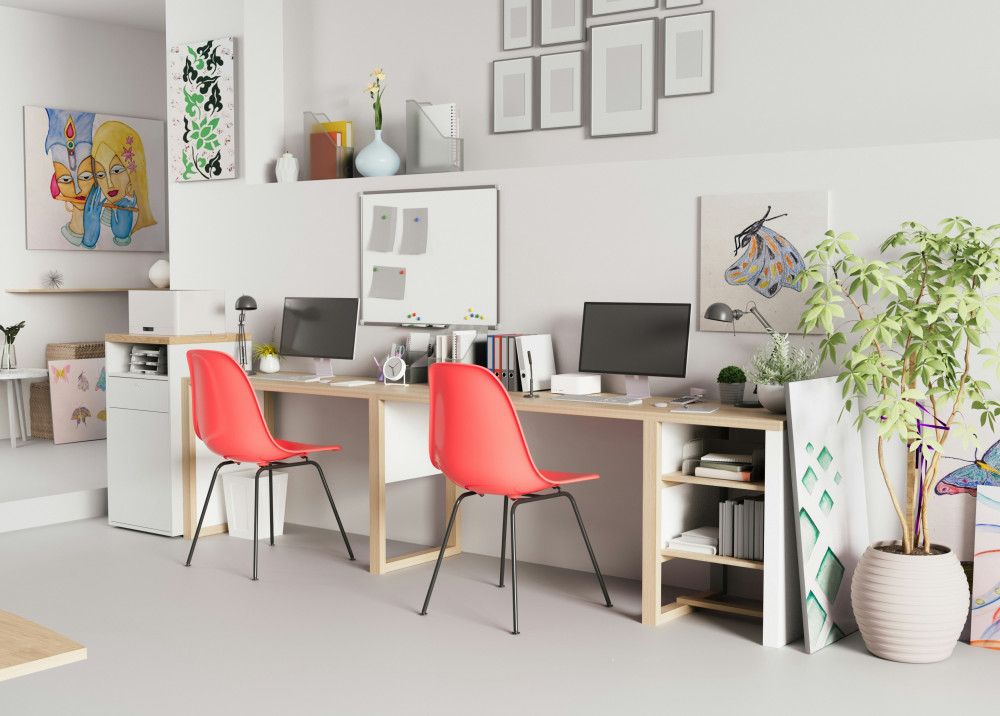
- Shared office: Create flexible zones for both teamwork and concentration.
- Creative environment: Open spaces, whiteboards, and movable furniture can help ideas flow.
Once you know the purpose, it becomes much easier to choose furniture that supports your way of working – not the other way around.
Ergonomics as the Foundation
Ergonomics isn’t just about comfort – it’s about health and efficiency. A poorly arranged workspace can lead to tension, headaches, and reduced focus. Prioritise:
- Adjustable desk: Allows you to alternate between sitting and standing.
- Ergonomic chair: Should be adjustable to your height, weight, and posture.
- Correct screen height: Keep your monitor at eye level to avoid neck strain.
- Good lighting: Combine natural daylight with adjustable lamps to reduce glare and fatigue.
Small adjustments can have a big impact – and it’s always cheaper to prevent problems than to fix them later.
Læs også:


Create Zones and Variety
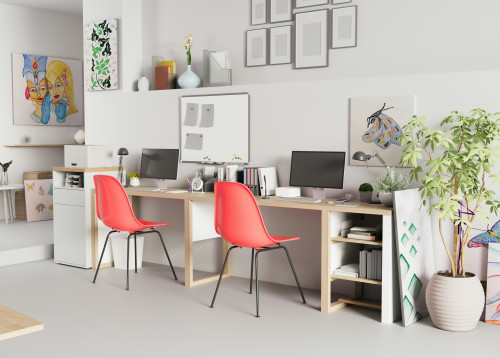
Modern offices work best when they offer variety. Think of quiet zones for concentration, meeting areas for collaboration, and informal corners for breaks. Even in a small home office, you can create variation by:
- Setting up a focused work area with minimal distractions.
- Adding a meeting or conversation corner, perhaps with a comfortable chair or small table.
- Creating a break spot – maybe a window seat or a corner with plants and natural light.
Variety in your surroundings stimulates creativity and helps maintain energy throughout the day.
Think Function and Flexibility
Your office should be able to adapt to change. New projects, more staff, or different work styles all call for flexible solutions. Consider:
- Modular furniture that can be rearranged easily.
- Smart storage to keep things tidy without taking up too much space.
- Practical installations like cable management and accessible power outlets to make reorganisation simple.
A flexible office is one that can grow and evolve without losing its functionality.
Design with Atmosphere in Mind
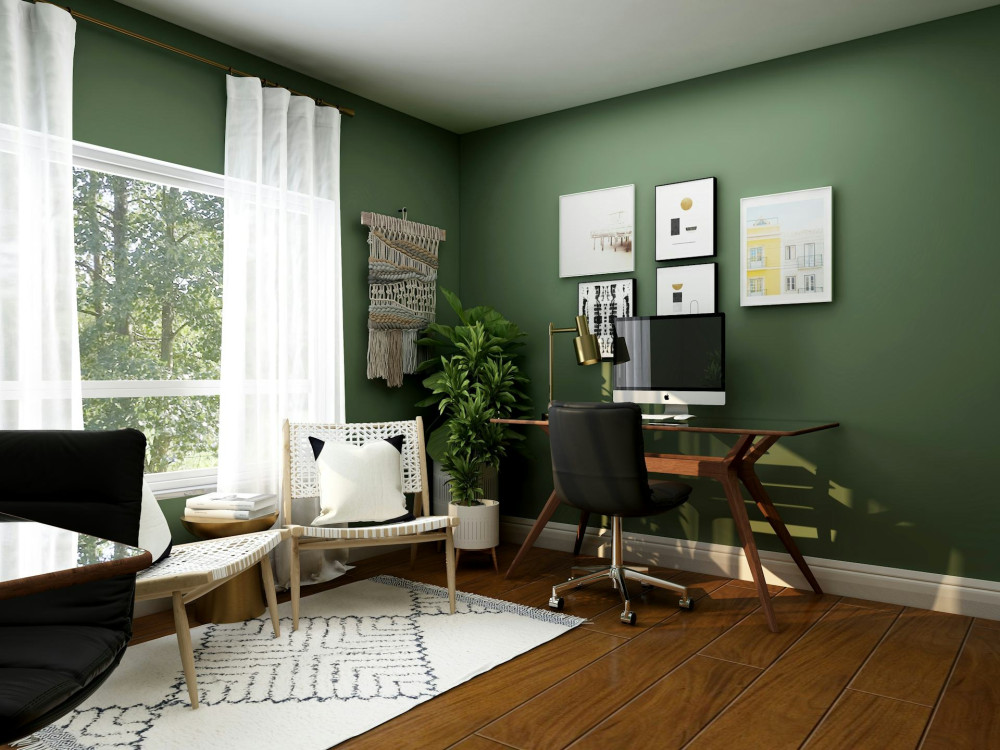
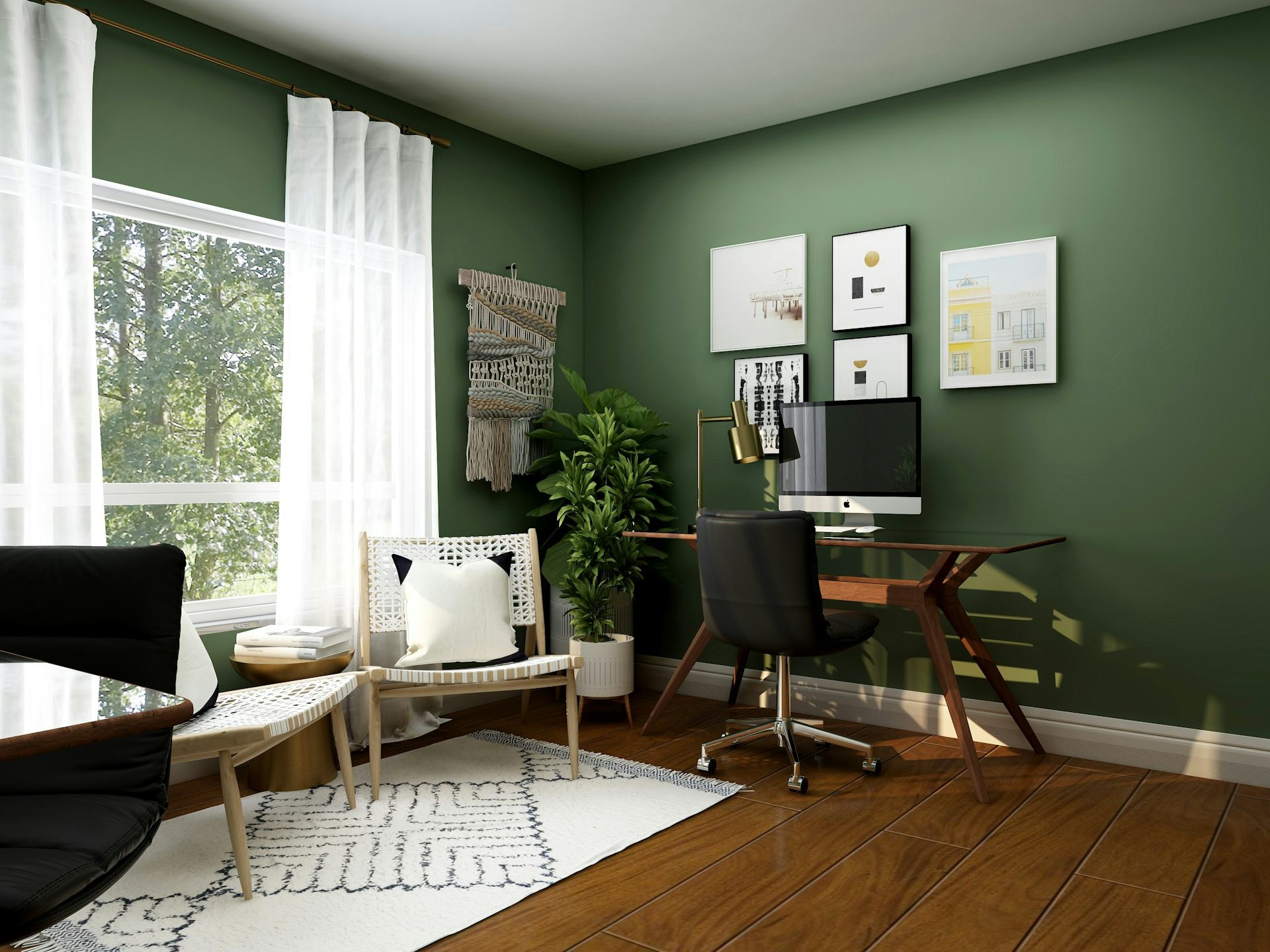
An office should be practical, but it should also feel good to be in. Colours, materials, and plants all influence mood and focus. Choose calm tones for work areas and livelier colours for shared spaces. Natural materials like wood and textiles, along with greenery, bring warmth and balance to a technical environment.
Sound matters too. Use rugs, acoustic panels, or curtains to reduce noise – especially in open-plan offices. A pleasant sound environment makes it easier to concentrate and reduces stress.
Make Room for Breaks and Movement
A good office gives you space to breathe. Breaks and movement are essential for both physical and mental health. Make sure there are areas where you can stretch, grab a coffee, or take a short break from the screen. Even small initiatives – like a standing coffee station or a quick walk at lunchtime – can make a noticeable difference.
Plan with Care – and Think Long Term
Your office is an investment in wellbeing and efficiency. When you plan with care, you create a space that not only looks good but also works well day to day. Think long term: choose quality, flexibility, and solutions that can adapt to future needs.
A well-planned office isn’t a finished project – it’s a living space that grows and changes with the people who use it.
Læs også: