Moisture Problems from Incorrect Insulation – How to Avoid Them in Your Home

Moisture Problems from Incorrect Insulation – How to Avoid Them in Your Home
Insulation is one of the most effective ways to make your home warmer, more comfortable, and energy efficient. It keeps the heat in, reduces your heating bills, and helps lower your carbon footprint. But if insulation is installed incorrectly, it can lead to serious moisture problems. Dampness can cause mould, rot, and poor indoor air quality – and in the worst cases, damage the structure of your home. Here’s how to avoid these issues when insulating your Irish home.
Why Moisture Problems Occur
Moisture problems arise when warm, humid indoor air meets cold surfaces within the building structure. If insulation is poorly installed, condensation can form inside walls, ceilings, or floors. Over time, this trapped moisture can lead to mould growth and material decay.
The most common causes of moisture problems related to insulation are:
- Missing or poorly sealed vapour barriers – allowing moist indoor air to penetrate the structure and condense.
- Incorrect placement of insulation – especially in older homes not designed for modern insulation methods.
- Inadequate ventilation – when a home becomes more airtight after insulation, but ventilation is not improved accordingly.
- Thermal bridges – areas where heat escapes and cold enters, such as around windows, doors, and junctions.
Læs også:
Know Your Home’s Construction
Before you start insulating, it’s essential to understand how your home is built. A 1930s stone cottage in County Kerry requires a very different approach from a 1990s semi-detached house in Dublin. Older Irish homes were often built with breathable materials that allow moisture to move in and out. If you insulate too tightly, you can disrupt this natural balance.
Consider getting a building survey or energy assessment from a qualified professional. They can identify where insulation will be most effective and how to install it without creating moisture traps.
The Vapour Barrier – Your Hidden Protector
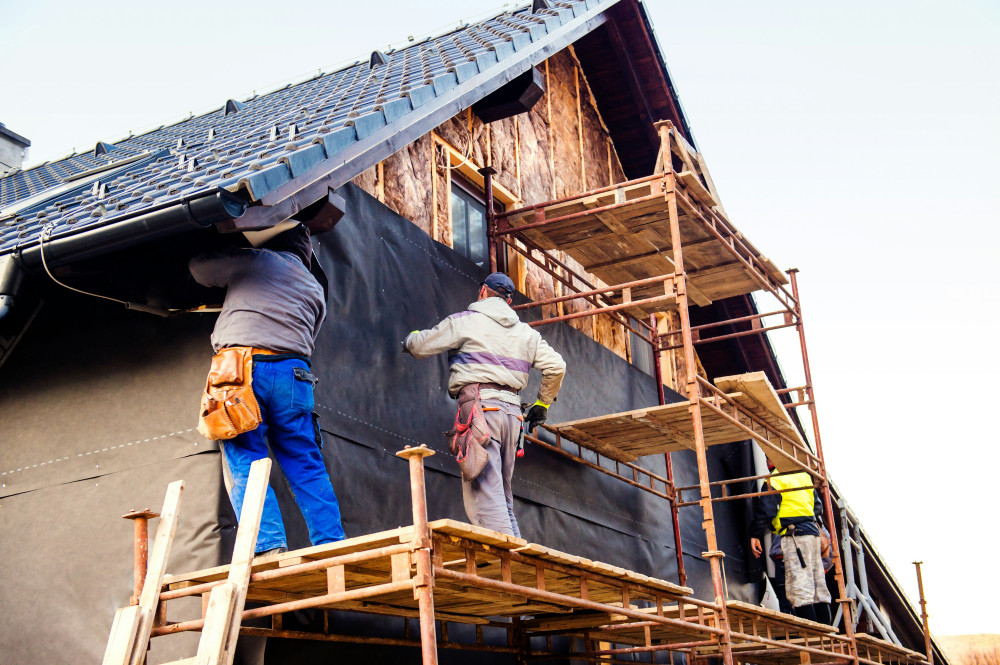
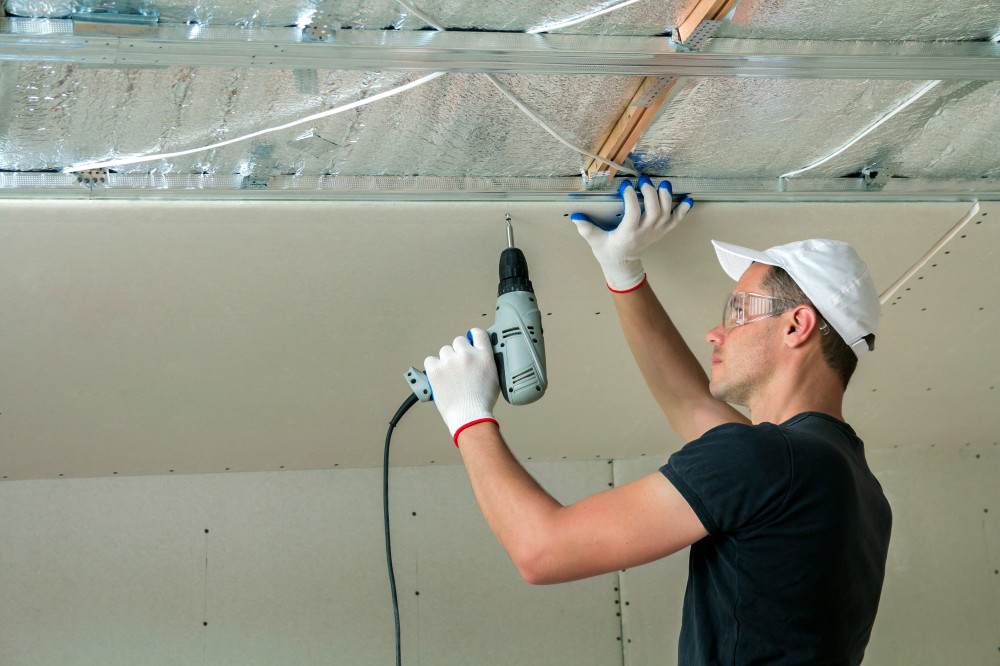
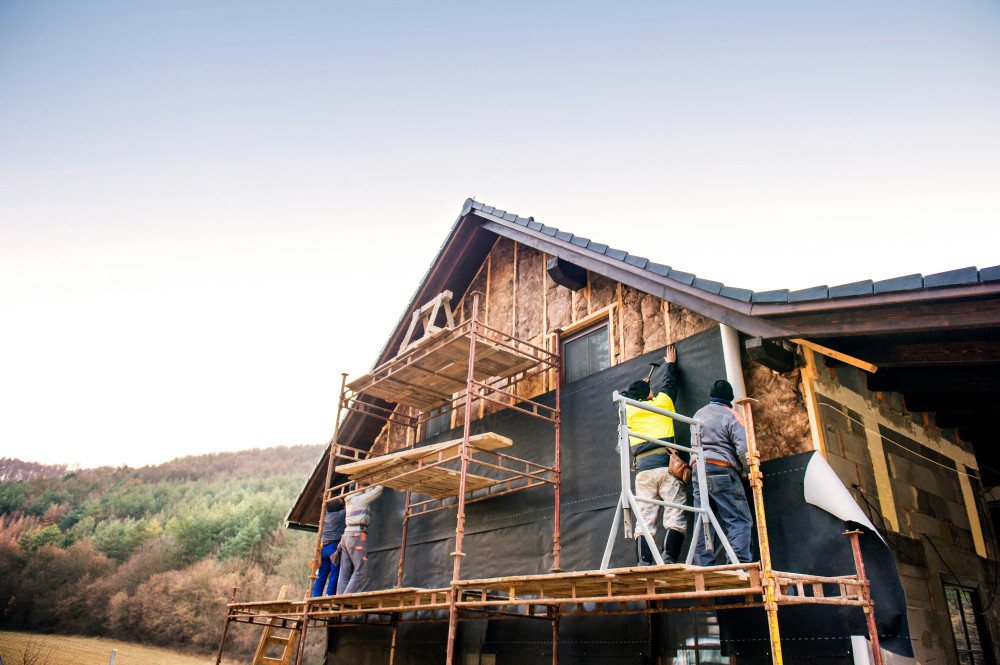
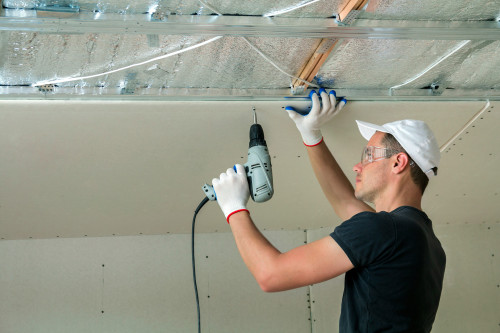
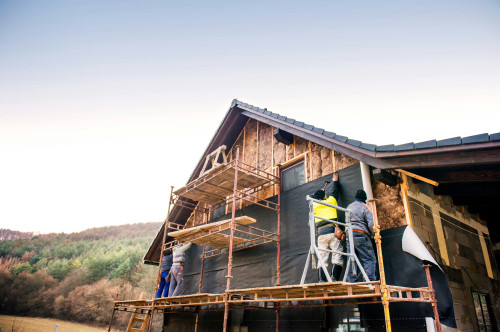
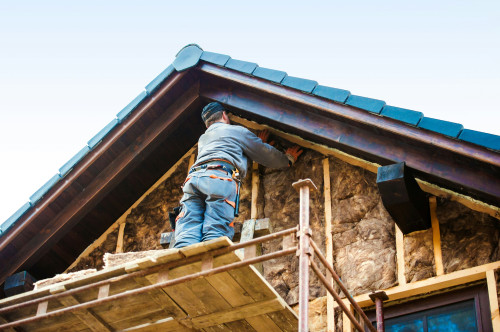
A properly installed vapour barrier is crucial for preventing moisture from entering the structure. It should be placed on the warm side of the insulation – usually just behind the internal wall finish. The barrier must be completely sealed, with careful attention to joints, penetrations, and edges.
Even small gaps can cause big problems, as warm air will find its way through cracks and condense inside the wall. Always use approved materials and follow manufacturer instructions carefully. If you’re unsure, hire a professional installer experienced in vapour control and airtightness.
Ventilation – The Forgotten Factor
When you improve insulation, your home becomes more airtight. That means moisture from cooking, showers, and even breathing can no longer escape as easily. Proper ventilation is therefore just as important as insulation.
- Ensure mechanical extraction in kitchens and bathrooms.
- Consider a balanced ventilation system with heat recovery to provide fresh air without losing warmth.
- Open windows regularly – ideally two or three times a day for a few minutes to create a cross-breeze.
Good ventilation not only prevents damp but also improves indoor air quality and reduces the risk of mould growth.
Retrofitting Older Homes – Proceed with Care
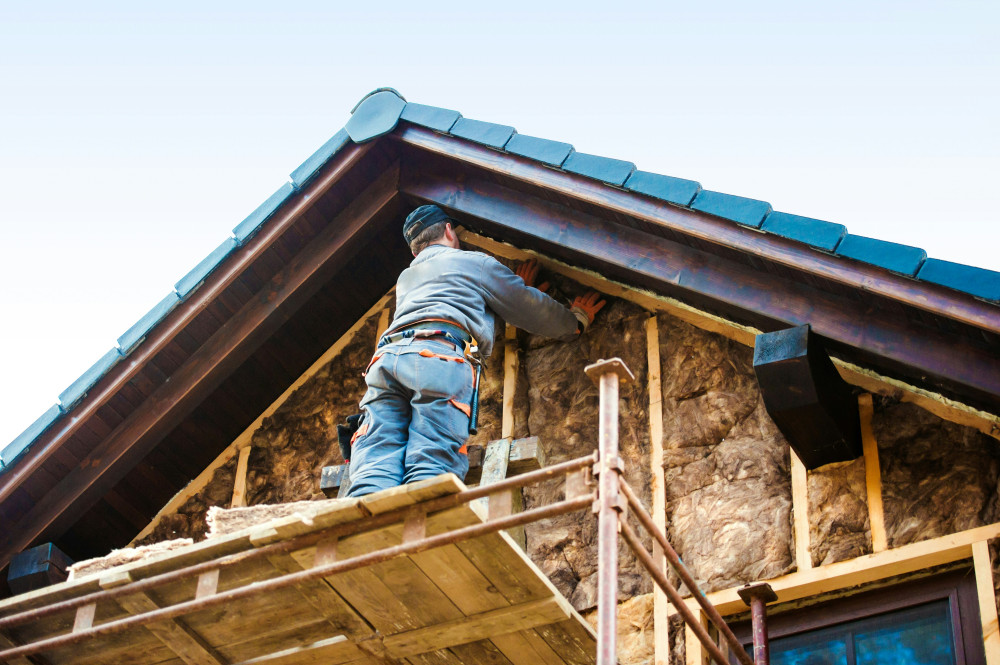
Adding insulation to older Irish homes can be a great investment, but it must be done carefully. For example, filling the cavity walls of a house that was originally designed to “breathe” can trap moisture inside the wall, leading to frost damage and mould.
Before retrofitting, you should:
- Check for existing damp or leaks in the walls.
- Choose insulation materials suitable for your home’s construction.
- Ensure that moisture can still move through the structure – for example, by using breathable (vapour-open) materials.
It can be tempting to add as much insulation as possible, but more is not always better. The goal is to find the right balance between thermal performance and moisture control.
Signs of Moisture Problems – and What to Do
Even with careful planning, issues can still arise. Keep an eye out for early warning signs:
- Dark patches or discolouration on walls and ceilings.
- Musty smells or visible mould.
- Peeling paint or wallpaper coming loose.
- Condensation on the inside of windows.
If you notice any of these, act quickly. Identify and fix the source – such as leaks, poor ventilation, or gaps in the vapour barrier – and seek professional advice if needed. The sooner you address the problem, the less damage it will cause.
How to Prevent Moisture Problems in the Future
Avoiding moisture problems is about taking a holistic approach. Insulation, ventilation, and material choice must all work together. Here are the key steps to remember:
- Plan your insulation based on your home’s age and structure.
- Install a properly sealed vapour barrier on the warm side of the insulation.
- Upgrade ventilation to suit your more airtight home.
- Use materials that allow appropriate moisture movement.
- Get professional guidance if you’re uncertain.
With the right approach, you can enjoy a warmer, healthier, and more energy-efficient home – without the hidden risk of moisture damage.
Læs også: