Is the foundation insulated well enough? How to assess it

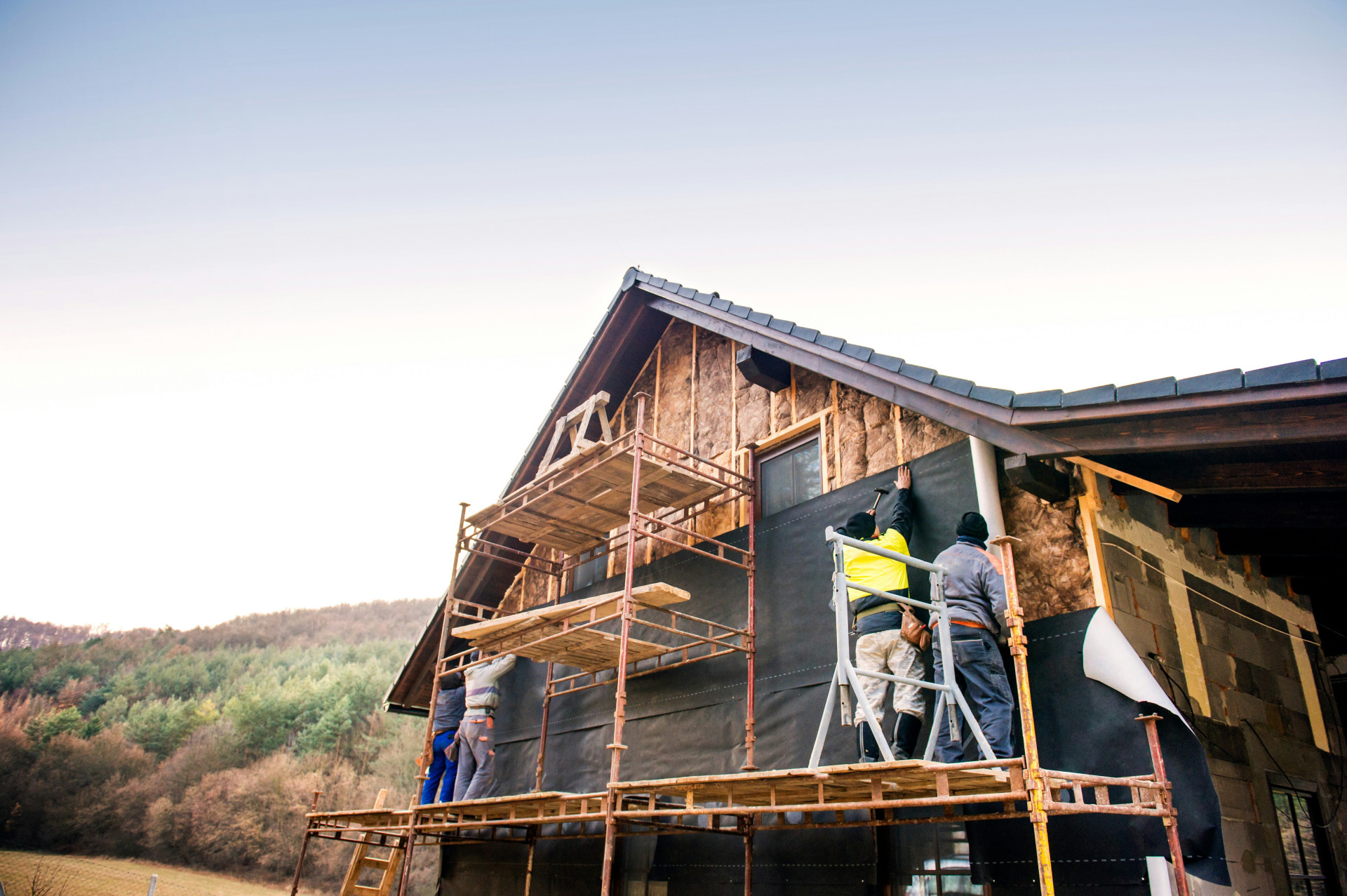
Keep your home warm and dry by ensuring your foundation is properly insulated
Insulation
Insulation
2 min
A well-insulated foundation protects your home from cold, damp, and unnecessary energy loss. Learn how to assess the insulation beneath your house, identify warning signs, and decide when it’s time to upgrade for better comfort and efficiency.
Callum Burke
Callum
Burke

Is the foundation insulated well enough? How to assess it

Keep your home warm and dry by ensuring your foundation is properly insulated
Insulation
Insulation
2 min
A well-insulated foundation protects your home from cold, damp, and unnecessary energy loss. Learn how to assess the insulation beneath your house, identify warning signs, and decide when it’s time to upgrade for better comfort and efficiency.
Callum Burke
Callum
Burke

The foundation – the transition between the ground and your home’s walls – plays a crucial role in both comfort and energy efficiency. If it isn’t properly insulated, cold and damp can creep in from below, leading to chilly floors, higher heating bills, and even structural damage over time. But how can you tell whether your foundation is insulated well enough? Here’s a practical guide for Irish homeowners on how to check and what to do if improvements are needed.

Why foundation insulation matters

The foundation supports your home and acts as a barrier against cold and moisture from the ground. Good insulation reduces heat loss through the floor and walls and prevents thermal bridges – areas where heat escapes and cold enters.

In older Irish homes, especially those built before the 1990s, foundation insulation was rarely included. Newer homes, however, are built to higher energy standards under the Building Regulations, with insulation materials such as extruded polystyrene (XPS) or rigid foam boards that can withstand moisture and pressure.

Signs your foundation may not be insulated properly

There are several clues that your foundation might be letting heat escape:

  • Cold floors – particularly near external walls, where cold can rise from the ground.
  • Draughts or cold spots – feel along skirting boards and corners for temperature differences.
  • Damp patches or mould – condensation can form where warm indoor air meets a cold surface.
  • Rising heating costs – a sign that heat is being lost through the floor or walls.
  • Musty smells or mildew – often linked to moisture problems caused by poor insulation.

If you notice several of these issues, it’s worth investigating further.

How to assess the insulation

You can get an idea of your foundation’s condition in several ways:

  1. Check the age and construction details of your home – planning documents or building drawings (available from your local authority or SEAI records) may show whether insulation was included.
  2. Inspect the exterior – look for cracks, flaking render, or damp marks along the base of the walls. These can indicate water ingress or missing insulation.
  3. Measure surface temperatures – an infrared thermometer can reveal colder areas along the foundation line.
  4. Get a thermal imaging survey – a professional energy assessor can use a heat camera to pinpoint exactly where heat is escaping.
  5. Request a BER (Building Energy Rating) assessment – this provides an overall picture of your home’s energy performance and recommendations for improvement.

Options for improving insulation

If your foundation is poorly insulated, there are several ways to upgrade it, depending on your home’s structure and budget:

  • External insulation – the most effective method, where the ground around the foundation is excavated and insulation boards are fitted to the outside. This also helps protect against damp.
  • Internal insulation – used when external work isn’t possible, but it must be carefully designed to avoid trapping moisture inside.
  • Floor insulation – if you’re renovating or replacing floors, adding insulation beneath the slab or floorboards can significantly reduce heat loss.

Always choose materials that are moisture-resistant and suitable for below-ground use, and ensure proper drainage and damp-proofing to prevent water build-up around the foundation.

When is it worth the investment?

Upgrading foundation insulation can be a significant project, but it often pays off through lower heating bills, improved comfort, and a healthier indoor environment. The financial return depends on your home’s age, energy use, and the extent of the work required. In many cases, it’s most cost-effective to combine foundation insulation with other energy upgrades, such as wall or attic insulation.

An SEAI-registered energy assessor can help you calculate potential savings and determine whether the investment makes sense for your home.

A warmer, healthier home

A well-insulated foundation doesn’t just make your home warmer and cheaper to heat – it also protects against damp and structural damage that can be costly to repair. By checking your foundation’s condition and addressing any weaknesses early, you can ensure a more comfortable, energy-efficient, and durable home for years to come.

Moisture Problems from Incorrect Insulation – How to Avoid Them in Your Home
Keep your home warm and dry by understanding how proper insulation prevents hidden moisture damage
Insulation
Insulation
Home Insulation
Moisture Control
Energy Efficiency
Home Maintenance
Indoor Air Quality
2 min
Insulation mistakes can lead to costly moisture problems, from mould and rot to structural damage. Learn how to insulate your home correctly, protect indoor air quality, and avoid dampness issues before they start.
Fergal O’Dwyer
Fergal
O’Dwyer
Bright Basement After Insulation – How to Choose the Right Colours and Finishes
Transform your insulated basement into a bright and welcoming living space
Insulation
Insulation
Basement Renovation
Interior Design
Home Improvement
Colour Inspiration
Lighting Ideas
2 min
Discover how to make the most of your newly insulated basement with smart choices in colours, finishes, and lighting. Learn how to enhance natural light, create a sense of space, and design a cohesive look that connects seamlessly with the rest of your home.
Rachel O’Connell
Rachel
O’Connell
Is the foundation insulated well enough? How to assess it
Keep your home warm and dry by ensuring your foundation is properly insulated
Insulation
Insulation
Foundation Insulation
Home Improvement
Energy Efficiency
Irish Homes
Building Maintenance
2 min
A well-insulated foundation protects your home from cold, damp, and unnecessary energy loss. Learn how to assess the insulation beneath your house, identify warning signs, and decide when it’s time to upgrade for better comfort and efficiency.
Callum Burke
Callum
Burke
Combine Insulation with Other Renovation Projects and Save Time
Plan smarter by combining insulation with other home improvements
Insulation
Insulation
Home Renovation
Insulation
Energy Efficiency
Home Improvement
Planning
3 min
Save time, money, and effort by coordinating your insulation project with other renovations. Learn how to plan efficiently, avoid duplicate work, and boost your home’s comfort and energy performance in one go.
Clara Power
Clara
Power
Cool house in summer with insulated attic space
Keep your home comfortable and energy-efficient even on the hottest summer days
Insulation
Insulation
Attic Insulation
Home Improvement
Energy Efficiency
Summer Comfort
Irish Homes
6 min
Discover how proper attic insulation can help your home stay cool during the Irish summer. Learn about the best materials, installation options, and extra benefits that make insulation a smart investment for comfort and savings all year round.
Ciara Keane
Ciara
Keane
Rustic Outdoor Living: Create an Atmospheric Garden with Natural Materials
Bring warmth and authenticity to your garden with wood, stone, and natural textures
Furniture
Furniture
Rustic Garden
Outdoor Living
Natural Materials
Garden Design
Home Decor
5 min
Discover how to design a rustic outdoor space that feels both timeless and inviting. Learn how to use natural materials, thoughtful details, and local inspiration to create a garden full of atmosphere, harmony, and heart.
Fergal O’Dwyer
Fergal
O’Dwyer
From Baroque to Sustainability – The Journey of Furniture Design Through the Centuries
Discover how furniture design reflects centuries of changing tastes, technologies, and values
Furniture
Furniture
Furniture Design
Interior Design
History of Design
Sustainability
Craftsmanship
3 min
From the lavish Baroque era to today’s focus on sustainability, furniture design has evolved alongside human culture and innovation. Explore how craftsmanship, materials, and aesthetics have transformed through the ages to shape the way we live and express ourselves.
Rachel O’Connell
Rachel
O’Connell
Share, Swap and Borrow: A Sustainable Path to More Responsible Living
Discover how sharing, swapping, and borrowing can make everyday living more sustainable and community-focused
Furniture
Furniture
Sustainability
Community
Eco Living
Mindful Consumption
Sharing Economy
7 min
Learn how embracing shared resources and mindful consumption can reduce waste, save money, and strengthen local connections. From community libraries to swap events, explore practical ways to live more responsibly and sustainably.
Callum Burke
Callum
Burke