Use Heat Therapy Carefully on Sensitive Skin


Use Heat Therapy Carefully on Sensitive Skin
Heat therapy can be a wonderful way to ease tension, soothe sore muscles, and create a sense of calm. A warm bath, a heating pad, or a relaxing sauna session can bring comfort and relaxation. But for people with sensitive skin, heat can also pose challenges. Too much warmth or prolonged exposure may worsen irritation or dryness. Here are some tips on how to enjoy the benefits of heat therapy safely – so your skin stays comfortable and healthy.
Understand How Heat Affects the Skin
When skin is exposed to heat, blood vessels expand and circulation increases. This can help relieve muscle stiffness, but it can also make the skin’s protective barrier more fragile. Moisture evaporates more quickly, and heat can intensify redness, itching, or dryness.
People with conditions such as rosacea, eczema, or general sensitivity should be especially cautious. The goal isn’t to avoid heat entirely, but to find a gentle balance that works for your skin.
Læs også:




Choose Gentle Warmth
Instead of very high temperatures, opt for milder forms of heat therapy. For example:
- Lukewarm baths rather than hot baths – around 36–38°C is usually enough to relax muscles without drying out the skin.
- Lower sauna temperatures – many modern saunas in Ireland allow you to adjust the heat level, so you can enjoy the warmth without overheating.
- Heating pads with adjustable settings – use them for short periods and place a thin cloth between the pad and your skin to avoid direct contact.
The key is that your skin should feel pleasantly warm, not hot or tight.
Rehydrate and Protect Your Skin
After any heat treatment, your skin needs moisture to restore its balance. Apply a gentle, fragrance-free moisturiser or oil while your skin is still slightly damp. This helps lock in hydration and strengthen the skin barrier.
If you use a sauna or steam room, drink plenty of water before and after your session. Staying hydrated helps your body regulate temperature and prevents dehydration, which can also affect your skin’s condition.
Know Your Limits
Even though heat can feel soothing, it’s important to listen to your body. If you notice stinging, redness, or itching, stop the treatment and let your skin cool down. Repeated irritation can lead to inflammation and make your skin even more sensitive.
Start slowly and increase the duration only if your skin responds well. For some, ten minutes of mild warmth is enough; others may tolerate a bit longer.
Try Alternatives to Direct Heat
If your skin is very sensitive, you can still enjoy relaxation and relief without intense heat. Try:
- Warm compresses – soak a towel in warm water, wring it out, and place it on tense areas for a few minutes.
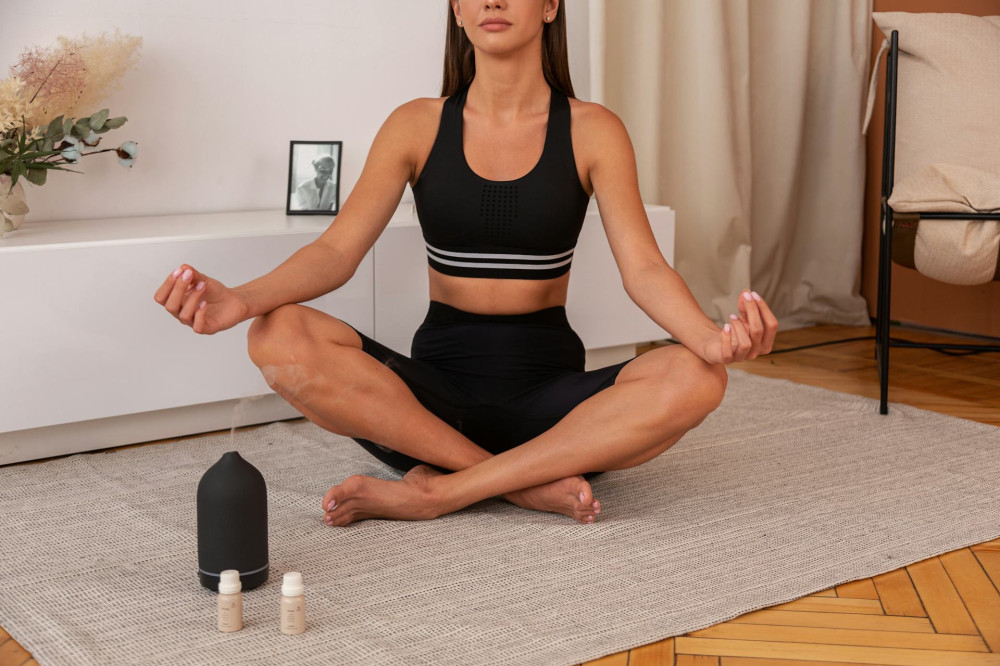
- Gentle aromatherapy – use a diffuser with calming essential oils to create a soothing atmosphere without exposing your skin to heat.
- Soothing baths with oats or chamomile – these ingredients calm and moisturise the skin, even at lower temperatures.
These methods can provide the same sense of comfort – just in a gentler way.
Create a Safe Home Wellness Space
If you have a wellness area at home, set it up to suit your skin’s needs. Ensure good ventilation, adjustable temperature and humidity, and keep soft towels and moisturiser within reach. This way, you can enjoy heat therapy as part of your self-care routine – safely and comfortably.
Heat Therapy Should Feel Good – Not Hurt
The best heat therapy leaves you feeling relaxed and refreshed, not irritated. With a little attention to temperature, duration, and aftercare, you can enjoy the benefits of warmth even if your skin is sensitive. It’s all about finding your own balance between comfort and care.
Læs også: