The radiator as a design element in the bathroom

The radiator as a design element in the bathroom
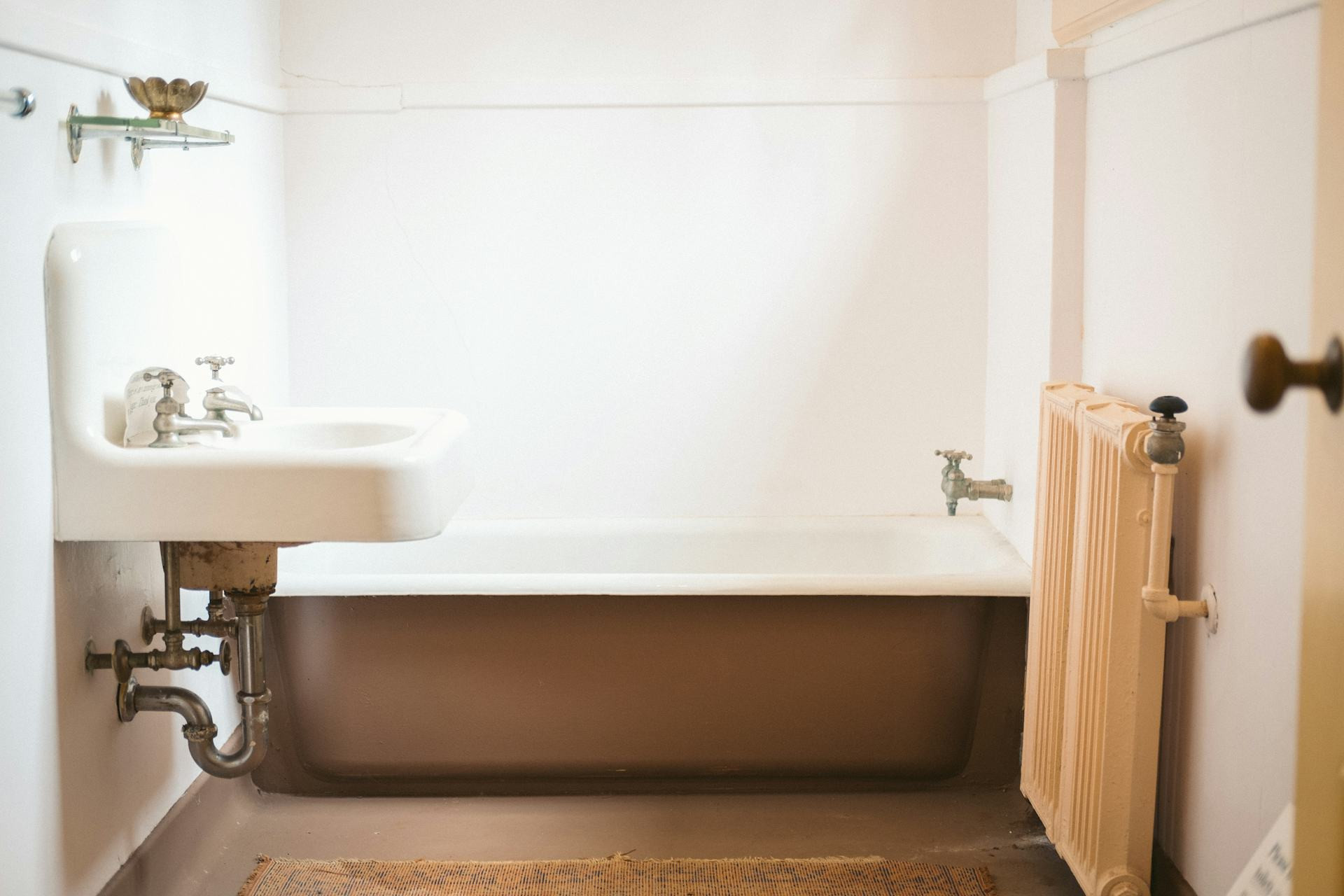
For many years, the radiator’s role in the bathroom was purely practical: to keep the space warm and dry. But as bathrooms have evolved into places of comfort and design, the radiator has taken on a new identity. It is no longer just a technical necessity but a feature that can enhance the overall aesthetic. Today, there is a wide range of options where form and function meet – from sleek towel warmers to sculptural designer radiators that can serve as statement pieces on the wall.
From hidden heat to visible design
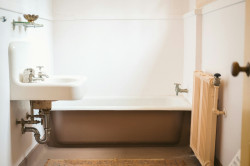
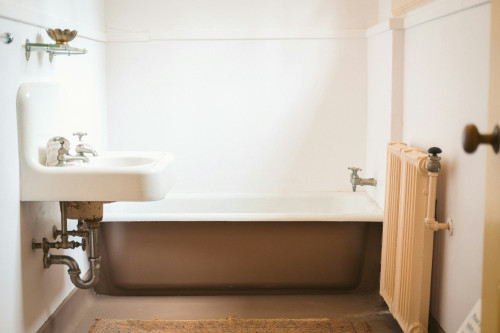
In the past, radiators were often tucked away behind furniture or placed in corners. Modern bathroom design takes the opposite approach: the radiator is meant to be seen. It can act as a focal point that reinforces the style of the room – whether you prefer a classic, industrial, or contemporary look.
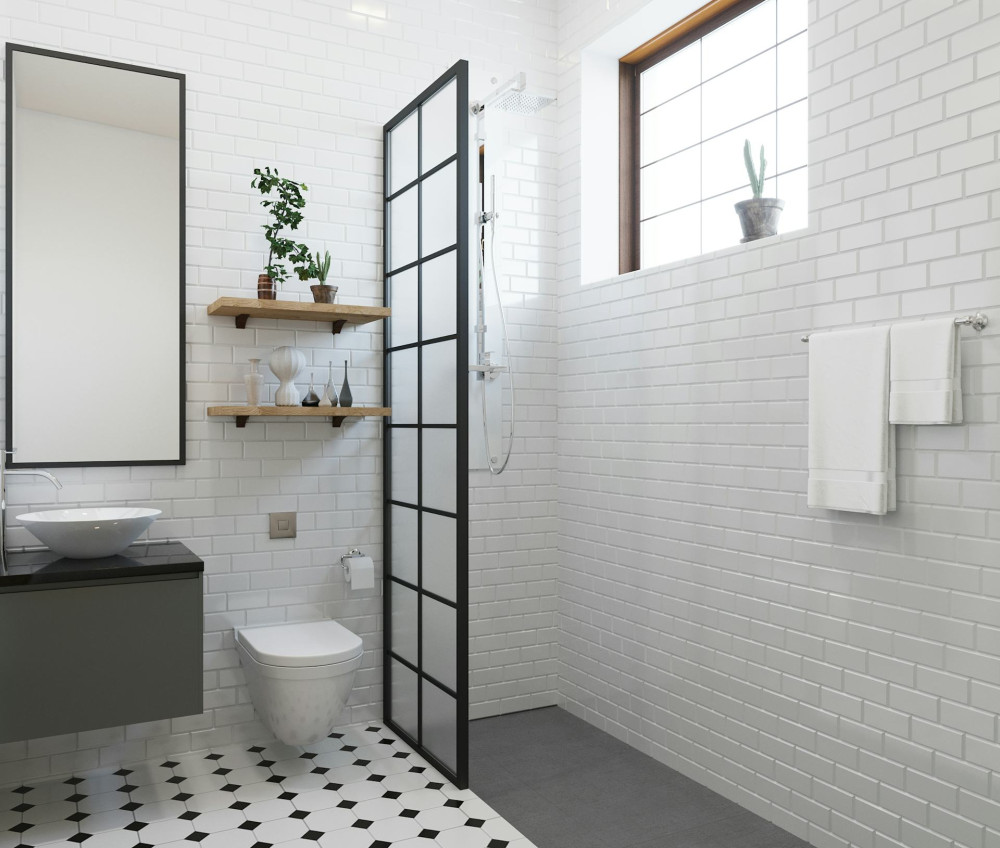
Design radiators come in many shapes and materials. Some feature clean, geometric lines in brushed steel, while others play with softer forms and colours. A matte black radiator can add a striking contrast to light tiles, while a white or brass-toned model can create a warmer, more harmonious atmosphere.
Functionality and everyday comfort
While design has become more important, functionality remains key. A good bathroom radiator should heat the room efficiently while adding to your daily comfort. Many homeowners choose models with integrated towel rails – a practical solution that saves space and adds a touch of luxury to everyday life.
Electric radiators are increasingly popular in Ireland, especially in homes without central heating or where flexibility is needed. They can be controlled independently, allowing you to warm the bathroom on a chilly morning without heating the entire house. Some models even come with timers or smart thermostats for added convenience and energy savings.
Materials and finishes that withstand moisture
Bathrooms place special demands on materials. The radiator must withstand humidity and temperature fluctuations without rusting or losing its finish. It’s important to choose models specifically designed for wet rooms. Powder-coated steel, stainless steel, and aluminium are among the most common materials, combining durability with an attractive appearance.
The surface finish also affects maintenance. A smooth, matte surface is easier to clean and shows fewer watermarks than polished metal. This makes it easier to maintain a fresh and inviting look in the bathroom.
Læs også:
Colours and shapes as part of the whole
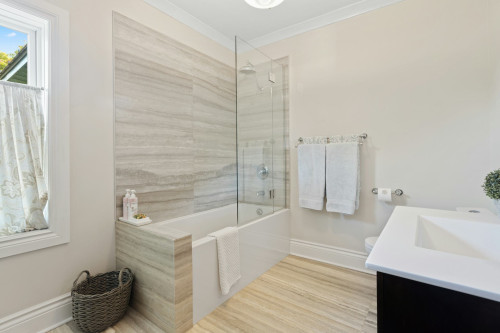
Colour has become an essential part of bathroom design, and the radiator can help tie the room together. Many manufacturers now offer a wide palette of colours – from classic white to deep earth tones and metallic shades. A coloured radiator can create contrast or harmony, depending on how it’s paired with tiles, fixtures, and furniture.
Shape also plays a role in defining the style. A vertical radiator gives a modern, streamlined look, while a more traditional horizontal model suits a classic bathroom. Some homeowners even opt for custom-made designs that fit the room’s dimensions and architecture perfectly.
Sustainability and energy efficiency
With energy costs and sustainability high on the agenda in Ireland, it’s worth considering the radiator’s efficiency. Modern models are designed to make the most of the heat they produce and can be combined with various heating systems, including heat pumps and electric setups. Many come with thermostatic controls or programmable timers, helping you reduce energy use without sacrificing comfort.
Choosing an energy-efficient radiator not only lowers your heating bills but also contributes to a more sustainable home.
A design feature that makes a difference
The radiator is no longer just a technical component but a design feature that can elevate the entire bathroom. It bridges the gap between function and aesthetics, between warmth and well-being. Whether you choose a discreet model that blends into the wall or a bold design that draws attention, it’s an investment in both comfort and style.
When planning your next bathroom renovation, think of the radiator from the start – not as an afterthought, but as an integral part of the design. It might just be the detail that completes the room.
Læs også: