Roofing Felt Through the Ages – From Tar to Modern Bitumen Solutions

From traditional tar sheets to advanced bitumen membranes – discover the evolution of a trusted roofing material
Roof
Roof
6 min
Explore how roofing felt has developed from simple tar-coated layers to today’s high-performance bitumen solutions. Learn about its history, technological advances, and why it continues to be a reliable choice for Irish homes and buildings.
Rachel O’Connell
Rachel
O’Connell

Roofing Felt Through the Ages – From Tar to Modern Bitumen Solutions

From traditional tar sheets to advanced bitumen membranes – discover the evolution of a trusted roofing material
Roof
Roof
6 min
Explore how roofing felt has developed from simple tar-coated layers to today’s high-performance bitumen solutions. Learn about its history, technological advances, and why it continues to be a reliable choice for Irish homes and buildings.
Rachel O’Connell
Rachel
O’Connell

For more than a century, roofing felt has been a familiar sight across Ireland’s towns and countryside. From the early tar-coated sheets used on farm outbuildings to today’s advanced bitumen membranes on contemporary homes and commercial structures, the material has undergone a remarkable transformation. Once seen as a low-cost option, roofing felt is now valued for its flexibility, durability, and adaptability to both design and function. Let’s take a closer look at how roofing felt has evolved – and why it remains a trusted choice in Irish construction.

The Early Years – Tar and Simple Materials

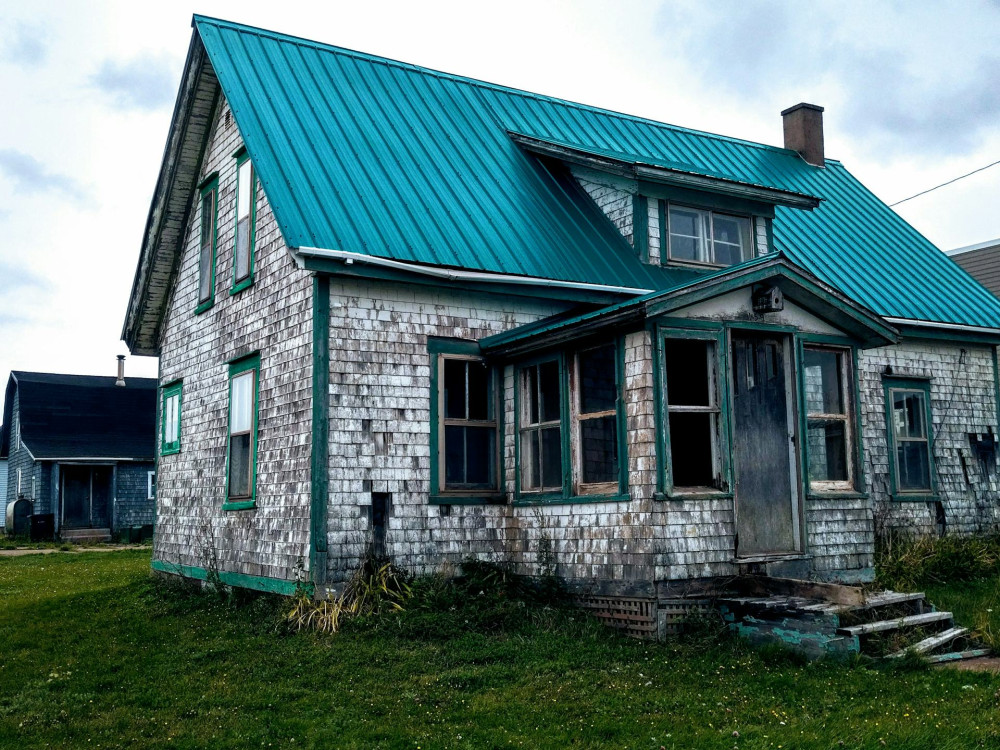
The first forms of roofing felt appeared in Ireland in the late 19th and early 20th centuries. These early products were made from paper or fabric sheets soaked in wood tar or coal tar to make them water-resistant. They were inexpensive and easy to install, making them ideal for sheds, barns, and small cottages.

However, the limitations were clear. Tar became brittle over time, especially under Ireland’s mix of rain, wind, and occasional sunshine. The roofs required frequent maintenance, and cracks or leaks were common. Despite these drawbacks, this simple technology laid the foundation for the modern roofing membranes we know today.

The Shift to Bitumen – A Technological Leap

By the mid-20th century, the roofing industry began replacing tar with bitumen, a by-product of the oil refining process. Bitumen proved to be far more stable and durable than tar. It could withstand both heat and cold, and its flexibility made it ideal for roofs that expand and contract with temperature changes – a valuable property in Ireland’s variable climate.

At the same time, the base materials improved. Instead of paper, manufacturers began using glass fibre and later polyester reinforcement, which provided greater strength and longevity. This combination of bitumen and modern reinforcement transformed roofing felt into a serious alternative to slate or corrugated sheeting, even for larger buildings and flat-roofed extensions.

Modern Roofing Felt – Flexibility and Design Freedom

Today’s roofing felt is a high-performance product. Most systems consist of two layers – a base layer and a cap sheet – which are either torch-applied or self-adhesive. The result is a watertight, elastic, and long-lasting roof covering that can last 30 years or more when properly installed.

Roofing felt is no longer limited to flat roofs. Irish architects and builders increasingly use it on pitched and curved roofs, as it can be shaped to fit almost any design. This flexibility allows for creative architectural solutions, from minimalist modern homes to green roofs that blend into the landscape.

Sustainability and the Environment

As in many areas of construction, sustainability has become a key focus in the development of roofing materials. Manufacturers are now incorporating recycled content, reducing energy use in production, and designing systems that can be part of circular building processes.

Roofing felt also plays a role in sustainable design through its compatibility with green roofs. A properly installed bitumen membrane provides the waterproof base for vegetation layers that improve insulation, manage rainwater, and support biodiversity – all increasingly important in Ireland’s drive toward greener building practices.

Maintenance and Longevity

A modern felt roof requires little maintenance, but regular inspection is still essential. Leaves, moss, and debris should be cleared, and joints or edges checked for signs of wear. With correct installation and occasional care, a bitumen felt roof can last for decades – often exceeding expectations in Ireland’s damp and windy conditions.

From Humble Beginnings to a Modern Building Material

The story of roofing felt is one of continuous improvement – from simple tarred paper to advanced, multi-layered bitumen systems. Over the decades, it has proven its worth as a reliable, adaptable, and cost-effective roofing solution. Combining tradition with innovation, roofing felt continues to play an important role in Irish construction – protecting homes and buildings from the elements while offering new possibilities for design and sustainability.

Can you maintain your fibre cement roof yourself? Here’s the answer
Learn what you can safely do yourself – and when it’s best to call a professional
Roof
Roof
Fibre Cement Roof
Roof Maintenance
Home Improvement
DIY
Roofing Tips
7 min
Fibre cement roofs are strong and long-lasting, but they still need care to stay in good condition. This guide explains which maintenance tasks you can handle on your own, how to check for asbestos, and when expert help is the safest choice.
Fergal O’Dwyer
Fergal
O’Dwyer
Roofing Felt Through the Ages – From Tar to Modern Bitumen Solutions
From traditional tar sheets to advanced bitumen membranes – discover the evolution of a trusted roofing material
Roof
Roof
Roofing Felt
Construction
Building Materials
Bitumen
Roofing Solutions
6 min
Explore how roofing felt has developed from simple tar-coated layers to today’s high-performance bitumen solutions. Learn about its history, technological advances, and why it continues to be a reliable choice for Irish homes and buildings.
Rachel O’Connell
Rachel
O’Connell
Create Harmony Between Roof, Façade and Surroundings
Achieve a balanced and beautiful home by uniting roof, façade and landscape
Roof
Roof
Architecture
Home Design
Façade
Roof
Sustainability
2 min
Discover how thoughtful choices of materials, colours and design can create harmony between your home and its surroundings. Learn how to make your roof, façade and outdoor environment complement each other for a cohesive, sustainable and timeless expression.
Callum Burke
Callum
Burke
Green Roofs for Small Buildings – a Beautiful and Sustainable Solution
Transform your small building into a green oasis that benefits both nature and your home
Roof
Roof
Green Roof
Sustainability
Small Buildings
Eco-Friendly Design
Home Improvement
7 min
Discover how green roofs can add beauty, insulation, and sustainability to small buildings like sheds, garages, and extensions. Learn about their environmental advantages, simple installation, and surprisingly low maintenance.
Clara Power
Clara
Power
Create a multi‑year roof maintenance plan
Protect your home and budget with a long‑term roof care strategy
Roof
Roof
Roof Maintenance
Home Improvement
Property Care
Preventive Maintenance
Ireland Climate
2 min
A well‑planned roof maintenance schedule helps you stay ahead of damage, reduce repair costs, and extend the life of your roof. Learn how to create a multi‑year plan tailored to your roof type and Ireland’s challenging weather conditions.
Ciara Keane
Ciara
Keane
Rustic Outdoor Living: Create an Atmospheric Garden with Natural Materials
Bring warmth and authenticity to your garden with wood, stone, and natural textures
Furniture
Furniture
Rustic Garden
Outdoor Living
Natural Materials
Garden Design
Home Decor
5 min
Discover how to design a rustic outdoor space that feels both timeless and inviting. Learn how to use natural materials, thoughtful details, and local inspiration to create a garden full of atmosphere, harmony, and heart.
Fergal O’Dwyer
Fergal
O’Dwyer
From Baroque to Sustainability – The Journey of Furniture Design Through the Centuries
Discover how furniture design reflects centuries of changing tastes, technologies, and values
Furniture
Furniture
Furniture Design
Interior Design
History of Design
Sustainability
Craftsmanship
3 min
From the lavish Baroque era to today’s focus on sustainability, furniture design has evolved alongside human culture and innovation. Explore how craftsmanship, materials, and aesthetics have transformed through the ages to shape the way we live and express ourselves.
Rachel O’Connell
Rachel
O’Connell
Share, Swap and Borrow: A Sustainable Path to More Responsible Living
Discover how sharing, swapping, and borrowing can make everyday living more sustainable and community-focused
Furniture
Furniture
Sustainability
Community
Eco Living
Mindful Consumption
Sharing Economy
7 min
Learn how embracing shared resources and mindful consumption can reduce waste, save money, and strengthen local connections. From community libraries to swap events, explore practical ways to live more responsibly and sustainably.
Callum Burke
Callum
Burke