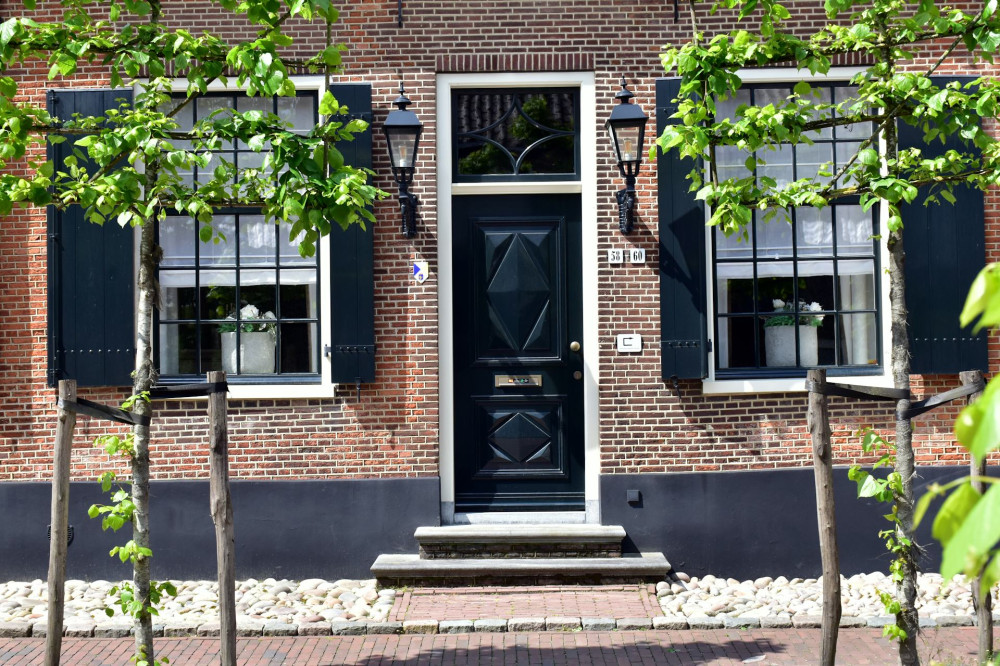
Plan lighting to make the best use of daylight

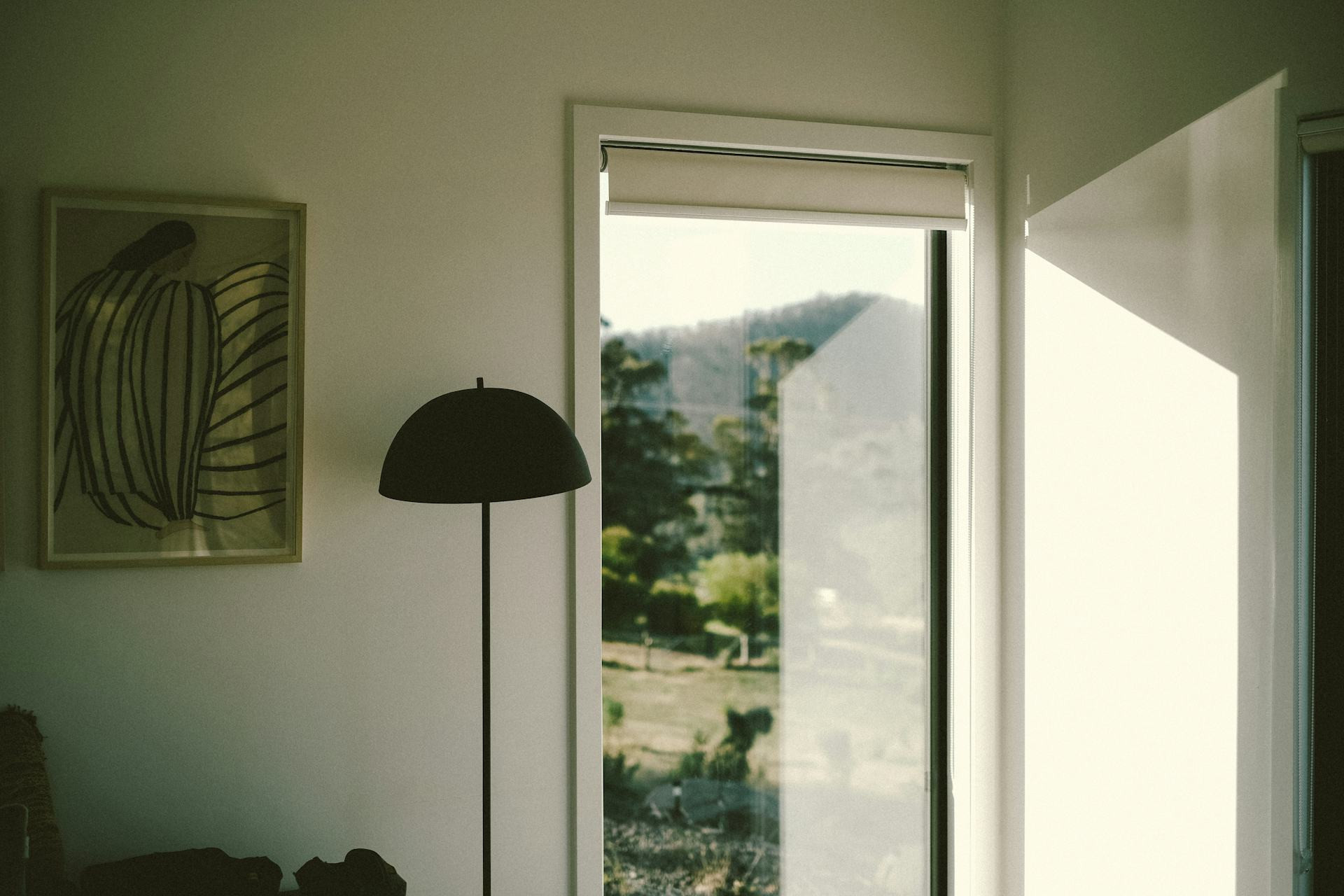
Make your home brighter, more comfortable, and energy-efficient by planning lighting around natural daylight
Light
Light
6 min
Discover how to design your home to take full advantage of natural light. Learn how to balance daylight with artificial lighting, use smart technology, and create a sustainable, harmonious atmosphere that follows the rhythm of the day.
Ciara Keane
Ciara
Keane

Plan lighting to make the best use of daylight

Make your home brighter, more comfortable, and energy-efficient by planning lighting around natural daylight
Light
Light
6 min
Discover how to design your home to take full advantage of natural light. Learn how to balance daylight with artificial lighting, use smart technology, and create a sustainable, harmonious atmosphere that follows the rhythm of the day.
Ciara Keane
Ciara
Keane

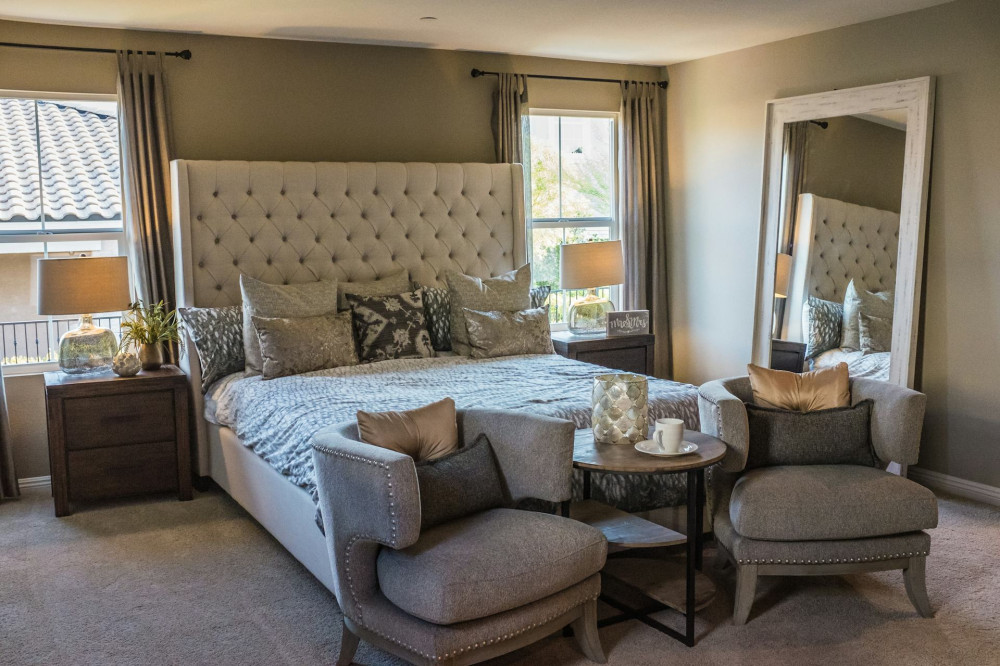
Daylight is not only free – it’s also the most natural and comfortable form of light we can have in our homes. When planning your lighting, it’s worth thinking beyond lamps and fittings and considering how to make the most of the sunlight that moves through your rooms each day. A thoughtful balance between daylight and artificial light can make your home feel brighter, more energy-efficient, and more pleasant to live in.

Start by mapping the daylight in your home

Before you decide where to place lamps or install fittings, take time to observe how daylight behaves in your home. Which windows catch the morning sun, and which rooms stay bright in the afternoon? Are there corners that remain dim even on a sunny day?

  • North-facing rooms in Ireland tend to receive a soft, cool light throughout the day. These spaces often benefit from warm, diffused artificial lighting to add a sense of comfort.
  • South-facing rooms get the most sunlight and can become quite bright. Sheer curtains or blinds can help filter the light and prevent glare.
  • East-facing rooms are filled with gentle morning light, making them ideal for kitchens or breakfast areas.
  • West-facing rooms enjoy warm, golden light in the evening – perfect for living rooms or dining spaces where you relax later in the day.

Once you understand how daylight moves through your home, you can plan your lighting so that it complements natural light rather than competing with it.

Design your interior with light in mind

The way you furnish and decorate your home has a big impact on how daylight feels. Light-coloured walls and ceilings reflect sunlight, making rooms appear larger and more open, while darker tones absorb light and create a cosier atmosphere.

Place work areas – such as desks, kitchen counters, or reading nooks – close to windows to take advantage of natural light. Avoid blocking windows with tall furniture, and if possible, use glass doors or open layouts to let light flow freely between rooms.

Combine daylight and artificial light

Even in bright homes, there are times when daylight isn’t enough. That’s why it’s important to plan artificial lighting that supports and enhances natural light.

Think in three layers of lighting:

  1. General lighting – ceiling lights or recessed spots that provide even illumination throughout the room.
  2. Task lighting – focused light for specific activities such as cooking, reading, or working.
  3. Accent lighting – lamps or wall lights that create atmosphere and highlight features, such as artwork or architectural details.

By combining these layers, you can create flexible lighting that adapts to both daylight and your daily routines.

Use technology to control your lighting

Modern lighting technology makes it easy to adjust light levels throughout the day. With dimmable LED bulbs and smart lighting systems, you can fine-tune brightness and colour temperature to match the natural light outside.

In the morning, choose a cooler, whiter light that mimics daylight and helps you wake up. In the evening, switch to a warmer, softer glow that encourages relaxation. This approach supports your body’s natural rhythm and makes your home feel more in tune with the time of day.

Think sustainably – for the planet and your pocket

Making the most of daylight is also about saving energy. The more you rely on sunlight, the less electricity you use for artificial lighting. Choose energy-efficient LED bulbs, and consider motion sensors or timers so lights are only on when needed.

You can also improve daylight access by keeping windows clean, using light curtains, or adding skylights in darker areas. Small changes can make a big difference to both comfort and energy use.

Create a home that follows the rhythm of light

When you plan your lighting around daylight, your home feels more natural and harmonious. Light becomes part of the design – not just a necessity, but a feature that changes with the seasons and the length of the days.

It’s not about having the most lamps, but about using light wisely. With a bit of planning, you can create a home where daylight takes centre stage – and where artificial light simply steps in when the sun goes down.

Create Spatial Zones at Home with Mood Lighting
Transform your home’s atmosphere by using light to define and enhance every space
Light
Light
Interior Design
Home Lighting
Mood Lighting
Home Decor
Lifestyle
7 min
Discover how mood lighting can help you create distinct zones within your home without the need for walls or partitions. Learn how to balance function and ambience, choose the right materials, and personalise your lighting to suit your lifestyle in Ireland.
Fergal O’Dwyer
Fergal
O’Dwyer
Replace Light Sources Without Changing Your Lighting Plan
Upgrade your lighting and save energy without redesigning your entire setup
Light
Light
Lighting
Home Improvement
Energy Efficiency
Interior Design
LED
2 min
Discover how to modernise your home’s lighting by simply replacing light sources. Learn how to choose the right brightness, colour temperature, and technology to enhance both function and atmosphere—without changing your lighting plan.
Rachel O’Connell
Rachel
O’Connell
Furniture and Daylight: How to Arrange Your Home to Make the Most of Natural Light
Brighten your home by arranging furniture to capture every ray of natural light
Light
Light
Interior Design
Home Decor
Natural Light
Furniture Arrangement
Living Space
3 min
Discover how thoughtful furniture placement, colour choices, and materials can transform your home into a brighter, more uplifting space. Learn simple ways to enhance natural daylight and create rooms that feel open, balanced, and full of life.
Callum Burke
Callum
Burke
Lamps with a Sense of Humour – When Lighting Creates Playfulness and Personality
Add a playful twist to your home with lighting that makes you smile
Light
Light
Lighting Design
Home Decor
Interior Inspiration
Playful Design
Creative Living
5 min
Discover how lamps with a sense of humour can transform your interior from ordinary to original. Explore designs that combine creativity, personality, and a touch of fun – proving that lighting can be both functional and full of character.
Clara Power
Clara
Power
Plan lighting to make the best use of daylight
Make your home brighter, more comfortable, and energy-efficient by planning lighting around natural daylight
Light
Light
Lighting Design
Daylight
Home Interior
Energy Efficiency
Sustainable Living
6 min
Discover how to design your home to take full advantage of natural light. Learn how to balance daylight with artificial lighting, use smart technology, and create a sustainable, harmonious atmosphere that follows the rhythm of the day.
Ciara Keane
Ciara
Keane
Rustic Outdoor Living: Create an Atmospheric Garden with Natural Materials
Bring warmth and authenticity to your garden with wood, stone, and natural textures
Furniture
Furniture
Rustic Garden
Outdoor Living
Natural Materials
Garden Design
Home Decor
5 min
Discover how to design a rustic outdoor space that feels both timeless and inviting. Learn how to use natural materials, thoughtful details, and local inspiration to create a garden full of atmosphere, harmony, and heart.
Fergal O’Dwyer
Fergal
O’Dwyer
From Baroque to Sustainability – The Journey of Furniture Design Through the Centuries
Discover how furniture design reflects centuries of changing tastes, technologies, and values
Furniture
Furniture
Furniture Design
Interior Design
History of Design
Sustainability
Craftsmanship
3 min
From the lavish Baroque era to today’s focus on sustainability, furniture design has evolved alongside human culture and innovation. Explore how craftsmanship, materials, and aesthetics have transformed through the ages to shape the way we live and express ourselves.
Rachel O’Connell
Rachel
O’Connell
Share, Swap and Borrow: A Sustainable Path to More Responsible Living
Discover how sharing, swapping, and borrowing can make everyday living more sustainable and community-focused
Furniture
Furniture
Sustainability
Community
Eco Living
Mindful Consumption
Sharing Economy
7 min
Learn how embracing shared resources and mindful consumption can reduce waste, save money, and strengthen local connections. From community libraries to swap events, explore practical ways to live more responsibly and sustainably.
Callum Burke
Callum
Burke