Help Your Child Find Calm in a Busy Everyday Life


Help Your Child Find Calm in a Busy Everyday Life
In today’s fast-paced world, children often find themselves juggling schoolwork, sports, social activities, and screen time. It can be difficult for them to slow down and simply be. As a parent, you play a key role in helping your child find balance between activity and rest. Here are some ideas to help your child discover calm in the middle of a busy Irish everyday life.
Create Structure and Predictability
Children thrive when they know what to expect. A clear daily rhythm gives them a sense of security and helps them manage their energy. Simple routines for mornings, afternoons, and evenings can make a big difference.
- Make a simple daily plan together with your child so they know what’s coming next.
- Keep regular times for meals and bedtime, even on weekends.
- Include small breaks during the day when your child doesn’t have to do anything – just relax.
It’s not about scheduling every minute, but about creating a framework that allows your child to feel safe and calm.
Make Space for Quiet Moments
In a world full of screens and constant stimulation, children need time without distractions. Try introducing “quiet time” each day – short periods when your child can draw, read, listen to gentle music, or simply sit quietly.
You might also set up screen-free zones at home, such as the dinner table or bedrooms. This helps children unwind and connect with the world around them.
Some children find calm through creative activities like painting, baking, or building. Others prefer physical rest – curling up with a book or cuddling the family pet. Notice what helps your child relax and make space for it.
Læs også:



Notice the Signs of Overload
Children often show through their behaviour when they are stressed or overstimulated. Irritability, tiredness, difficulty concentrating, or losing interest in favourite activities can all be signs that your child needs a break.
As a parent, you can help by observing and responding early. Maybe your child needs a weekend without plans or a break from after-school activities. Slowing down isn’t a failure – it’s a way to restore energy and joy.
Calm Through Connection
Calm is contagious. When you stay calm and present, your child feels it too. You don’t have to be perfect – just available. Put your phone away when you talk together and give your child your full attention.
Small rituals can also create a sense of peace: reading a bedtime story, taking a short walk after dinner, or having a regular time to talk about the day. These quiet moments often become the times when children open up and feel most secure.
Let Nature Do Its Work
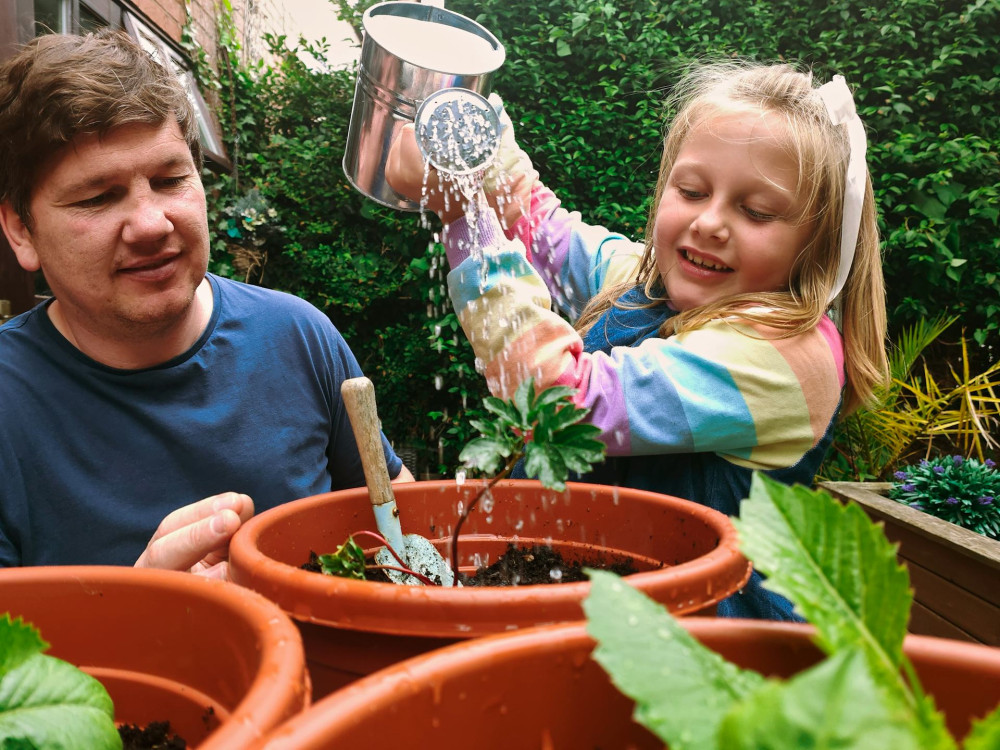
Ireland’s landscapes offer a wonderful opportunity to find calm outdoors. Whether it’s a walk along the coast, a stroll through a local park, or time spent in the garden, nature has a proven calming effect on both children and adults.
Try to make nature part of your weekly routine: a Sunday walk, a picnic in the park, or simply a few minutes outside listening to the birds. It doesn’t have to be a big outing – what matters is that it’s a break from the rush of daily life.
Help Your Child Express Feelings
Many children struggle to understand or explain why they feel restless or anxious. Talking about feelings helps them make sense of what’s going on inside. Ask open questions like, “How are you feeling today?” or “Is there something that’s been bothering you?”
When your child feels heard and accepted, they learn that it’s okay to need rest and quiet. This builds emotional awareness and resilience.
Calm Starts with Small Steps
Helping your child find calm doesn’t require major changes – just small, consistent actions. A quiet moment before bedtime, a day without plans, or a walk together can make a big difference. Over time, your child will learn that calm isn’t something to earn – it’s a natural and essential part of life.
Læs også: