Harmony Between the Senses – Create Balance Between Sight, Sound and Touch in the Bedroom


Harmony Between the Senses – Create Balance Between Sight, Sound and Touch in the Bedroom
The bedroom is more than a place to sleep – it’s a space for calm, recovery and intimacy. When the senses work in harmony, the room can support both rest and wellbeing. Light, sound and touch each play their part, but it’s the interplay between them that creates a true sense of balance. Here’s how to design a bedroom that speaks to all your senses.
Sight – calm through colour and light
Sight is the first sense to meet the room. Colours, light and shapes influence our mood more than we often realise. In the bedroom, the goal is to create visual calm.
- Choose soothing colours such as soft greys, muted greens, gentle blues or warm neutrals. These tones help the mind unwind after a busy day.
- Avoid harsh contrasts and busy patterns – they can overstimulate the brain, especially before bedtime.
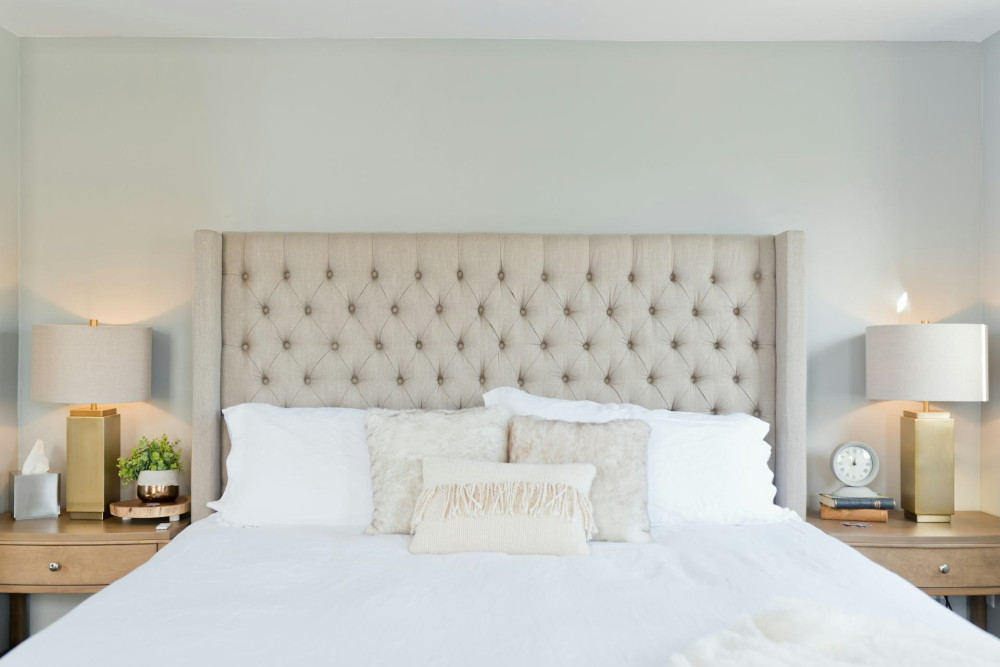
- Layer your lighting. Instead of one bright ceiling light, use several sources: bedside lamps, dimmable wall lights or even a subtle string of warm bulbs to create a soft glow.
- Make the most of natural light. Curtains or blinds that can both block and filter daylight give you flexibility between morning brightness and evening calm.
A visually peaceful space signals to the brain that the bedroom is a place for rest, not activity.
Læs også:




Sound – quiet and gentle tones
The sound environment in your bedroom has a big impact on how well you sleep. Even small noises can disturb rest, but that doesn’t mean the room should be completely silent.
- Soften outside noise with rugs, curtains and upholstered furniture that absorb sound.
- Consider background sounds. Some people sleep better with a steady, gentle noise – perhaps a white noise machine or the sound of rain.
- Keep electronics to a minimum. Avoid devices that hum, buzz or flash near the bed.
- Use music mindfully. If you like to drift off to music, choose instrumental or nature-inspired sounds that soothe rather than stimulate.
A soundscape that feels stable and safe helps the body relax and stay asleep longer.
Touch – comfort and texture
The sense of touch is closely linked to comfort and security. What we feel against our skin affects both body temperature and the nervous system’s ability to relax.
- Opt for natural materials like cotton, linen or bamboo for bedding. They feel pleasant and help regulate temperature.
- Think in layers. A soft throw, a weighted blanket or pillows of different firmness levels allow you to find your ideal comfort.
- Don’t forget the floor. A cosy rug beside the bed makes getting up in the morning a gentler experience.
- Focus on the bed itself. The mattress should support your body without feeling too firm – it’s the foundation of good rest.
When touch feels pleasant, the body releases tension and signals that it’s safe to let go.
The interplay of the senses
True harmony arises when sight, sound and touch work together. Soft lighting, gentle sounds and comfortable textures combine to create an atmosphere where the body instinctively knows it’s time to rest.
Try to experience your bedroom as a sensory space: How does it feel when you walk in? Is there balance between what you see, hear and feel? Small adjustments – dimming the lights, adding a rug, or silencing a buzzing charger – can make a surprising difference.
Make it personal
While calm and balance are key, your bedroom should still reflect who you are. A framed photo, a favourite plant or a scent you love can give the room warmth and personality. It’s not about creating a perfect interior, but about shaping a space where you feel at home in both body and mind.
When the senses work in harmony, the bedroom becomes more than a place to sleep – it becomes a sanctuary for peace, presence and renewed energy.
Læs også: