Contrasts in Interior Design: When Cool and Warm Table Materials Meet

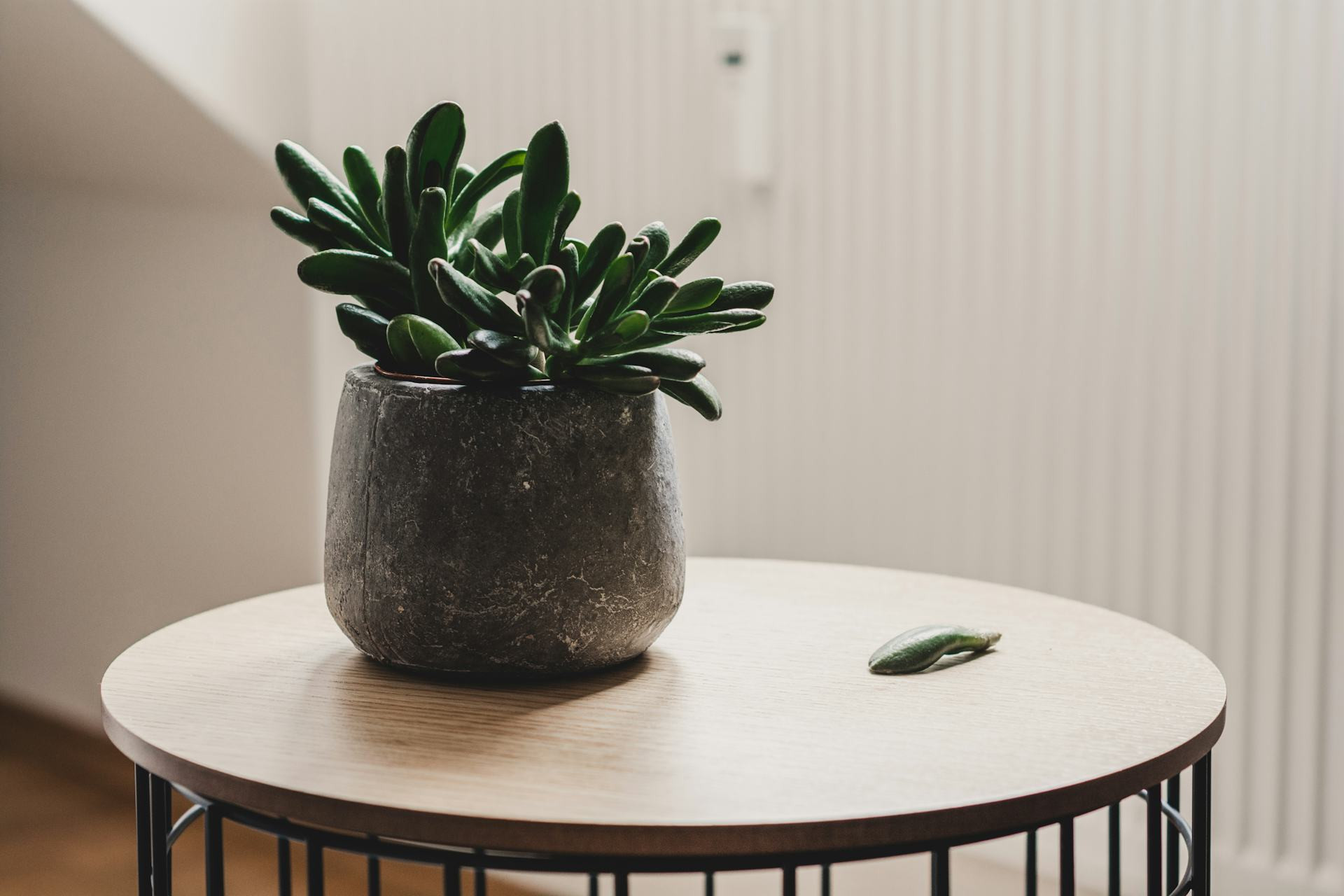
Contrasts in Interior Design: When Cool and Warm Table Materials Meet
When decorating a home, it’s not just about colours and shapes – materials play a crucial role in setting the mood of a space. In particular, the choice of table surfaces can define the atmosphere of a room. The contrast between cool and warm materials can create both tension and harmony, giving interiors a sense of depth and personality. Think of combinations like marble and oak, steel and walnut, or concrete and ash – each pairing tells its own story. But how do you make these materials work together without the result feeling mismatched or chaotic?
Cool materials – elegance and calm
Cool materials such as steel, glass, marble, and concrete are often associated with modern, minimalist design. They reflect light beautifully, feel clean and structured, and bring a sense of order to a space. A dining table with a polished marble top or a steel frame can instantly make a room feel sleek and sophisticated.
However, cool materials can sometimes feel a little impersonal if used alone. That’s why they often benefit from being paired with something that adds warmth and texture – like wood, leather, or woven fabrics. The key is to balance the crispness of the cool with the comfort of the warm.
Warm materials – comfort and connection
Wood, cork, bamboo, and other natural materials bring warmth and life into a home. Their organic patterns and tactile surfaces add character and evolve beautifully over time. A solid oak dining table or a walnut coffee table can become the heart of a room – both visually and socially.
Warm materials invite people to gather and linger, creating a sense of comfort and belonging. Yet too much warmth can make a space feel heavy or old-fashioned. Introducing cooler elements – perhaps a metal base or a glass tabletop – can lighten the look and add a contemporary edge.
When materials meet
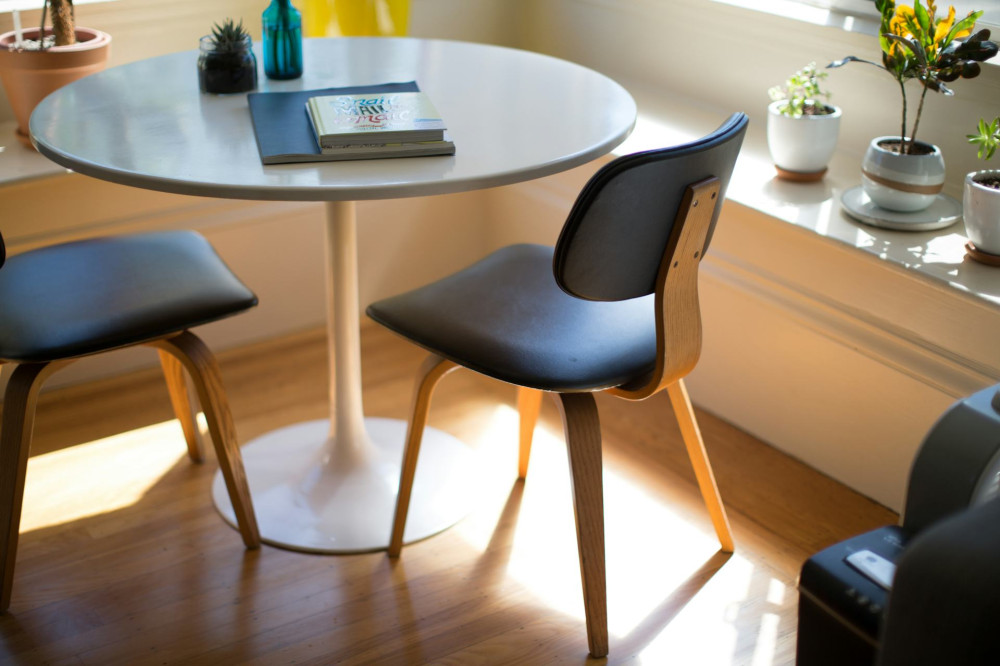
The real magic happens when cool and warm materials meet. A table with a timber top and black steel legs, for example, strikes a perfect balance between industrial and natural. Likewise, a marble coffee table can feel softer and more inviting when paired with a light oak base.
The trick is to let one material take the lead and use the other as a contrast. If your kitchen already features plenty of stainless steel, a wooden table can break up the coolness and add warmth. Conversely, in a room dominated by timber furniture, a glass or concrete table can introduce freshness and modernity.
Læs også:
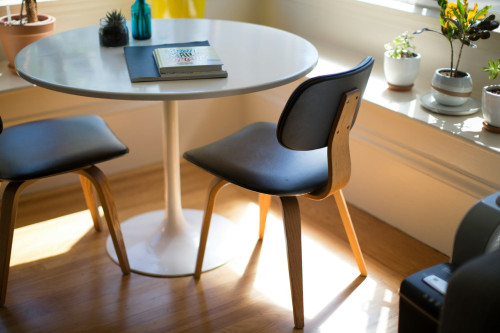
Colour, light, and texture
When mixing materials, it’s important to consider how colour and light interact. Cool materials tend to reflect more light, while warm materials absorb it. In an Irish home, where natural light can vary dramatically with the seasons, this balance is especially important. A darker timber table might feel cosy in winter, but pairing it with a lighter, cooler surface can keep the space bright year-round.
Texture also plays a vital role. A rough concrete top feels grounded and tactile, while a polished marble surface adds refinement. Combining different textures – smooth and rough, matte and glossy – creates depth and visual interest, even within a neutral palette.
Practical considerations
Beyond aesthetics, practicality matters. Cool materials like stone and metal are durable and easy to clean, but they can feel hard or cold to the touch. Warm materials such as wood require more maintenance but offer a pleasant, natural feel.
Think about how the table will be used. A family dining table that sees daily use might benefit from a sturdy, easy-to-clean surface, while a coffee table in a sitting room can afford to be more decorative. Mixing materials can give you the best of both worlds – functionality and beauty.
Create your own style
There are no strict rules for combining cool and warm materials. The most important thing is to create a look that reflects your personality and suits your home. Try out material samples and observe how they interact with the light in your space.
In Irish interiors, where tradition and modernity often coexist, contrasts can be especially powerful. Whether you live in a Georgian townhouse or a contemporary apartment, blending cool and warm materials can bring balance, character, and a sense of harmony – a home that feels both stylish and welcoming.
Læs også: