Avoid Food Waste – How to Store Your Food Properly in the Freezer

Keep your food fresh longer and cut down on waste with smart freezer habits
Appliances
Appliances
5 min
Learn how to make the most of your freezer to reduce food waste, save money, and simplify your meal planning. From proper packaging and labeling to preventing freezer burn and managing space, this guide helps you store your food efficiently and sustainably.
Clara Power
Clara
Power

Avoid Food Waste – How to Store Your Food Properly in the Freezer

Keep your food fresh longer and cut down on waste with smart freezer habits
Appliances
Appliances
5 min
Learn how to make the most of your freezer to reduce food waste, save money, and simplify your meal planning. From proper packaging and labeling to preventing freezer burn and managing space, this guide helps you store your food efficiently and sustainably.
Clara Power
Clara
Power

A well-organised freezer is one of the best tools in the fight against food waste. It extends the life of your ingredients, lets you save leftovers, and gives you flexibility in your daily cooking. But to get the most out of it – and avoid freezer burn, loss of flavour, or confusion about what’s hiding in the drawers – you need to store your food correctly. Here’s a guide to help you use your freezer efficiently and save both food and money.

Know Your Freezer’s Temperature and Capacity

The ideal freezer temperature is -18°C. At this temperature, bacterial growth stops, and food can be stored safely for long periods without losing quality. Check the temperature regularly with a thermometer, especially if your freezer is in a garage or utility room where the temperature can fluctuate.

Don’t overfill your freezer, but don’t leave it half empty either. A full freezer keeps the cold better, but there must still be enough space for air to circulate. If you have a chest freezer, use baskets or boxes to keep things organised and easy to find.

Pack Food Properly

Air is the enemy when it comes to freezing. The less air around your food, the better the taste and texture will be preserved. Use freezer bags, plastic containers, or vacuum-sealed bags, and squeeze out as much air as possible before sealing.

  • Meat and fish should be tightly wrapped and clearly labelled with the date and contents.
  • Bread and baked goods can be packed in freezer bags with a piece of baking paper between slices or rolls to prevent sticking.
  • Vegetables should be blanched (briefly boiled) before freezing to preserve colour and nutrients.
  • Cooked meals and leftovers should be completely cooled before freezing – otherwise, they can raise the freezer’s temperature.

A handy tip is to freeze food in flat portions. It makes stacking easier and speeds up defrosting.

Label Everything and Keep Track of Dates

It’s easy to forget what’s hiding at the back of the freezer. That’s why labelling is essential. Write both the contents and the date on the bag or container – a waterproof marker works best. This helps you avoid throwing away food simply because you can’t identify it.

As a general rule:

  • Meat and fish: 6–12 months
  • Bread and baked goods: 3–6 months
  • Fruit and vegetables: 8–12 months
  • Cooked dishes: 3–6 months

While food can often last longer, taste and texture may deteriorate over time.

Prevent Freezer Burn

Freezer burn occurs when food is exposed to air or temperature fluctuations. It appears as greyish or white patches and means the food has dried out. It’s still safe to eat, but the flavour and texture may be affected.

To prevent freezer burn:

  • Use airtight packaging.
  • Avoid opening the freezer unnecessarily.
  • Keep the temperature stable.
  • Use older items before newer ones.

Freeze Smart – and Save Energy

Freezers use a lot of electricity, but you can reduce energy consumption with a few simple habits:

  • Defrost regularly – even a thin layer of ice can increase energy use significantly.
  • Keep it well filled – use bags of rice or bread to fill empty spaces if needed.
  • Close the door quickly – every time you open it, cold air escapes.
  • Place the freezer in a cool spot – away from direct sunlight, ovens, or radiators.

If your freezer has a “fast freeze” function, use it when adding new items. It helps the temperature drop quickly and prevents existing food from warming up.

Defrosting – The Overlooked Step

How you defrost food matters for both taste and food safety. The best method is to let food thaw slowly in the fridge. It takes longer but reduces the risk of bacterial growth.

If you’re short on time, use your microwave’s defrost setting or place the food in a sealed bag in cold water. Avoid thawing food at room temperature – especially meat and fish.

Once food has thawed, it should not be refrozen unless it has been cooked.

Make Freezing Part of Your Meal Planning

Using your freezer effectively isn’t just about storage – it’s about planning. Keep a freezer inventory – on paper or on your phone – so you know what you have. It makes meal planning easier and helps you use what’s already there.

Store leftovers in small portions for quick lunches or as a base for new meals. That way, your freezer becomes a tool for reducing food waste, not a place where food gets forgotten.

A Well-Organised Freezer Saves Food and Money

When you store food properly, you don’t just extend its shelf life – you also improve flavour, reduce waste, and lower your electricity bill. A tidy freezer makes it easy to find what you need and helps you make the most of your ingredients.

With a bit of structure and care, your freezer can become your best ally in the kitchen – and a powerful weapon against food waste.

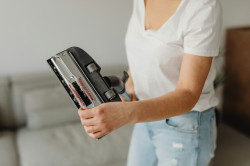
How to Properly Maintain Your Vacuum Hose and Nozzles
Keep your vacuum performing at its best with simple care routines
Appliances
Appliances
Vacuum Cleaner
Home Maintenance
Cleaning Tips
Household Appliances
Home Care
5 min
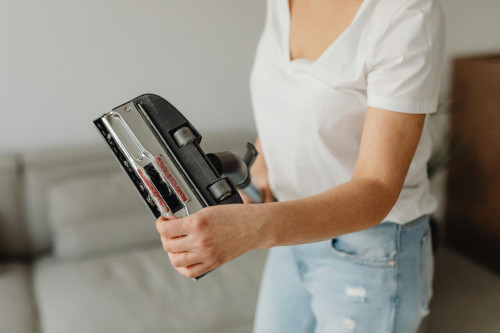
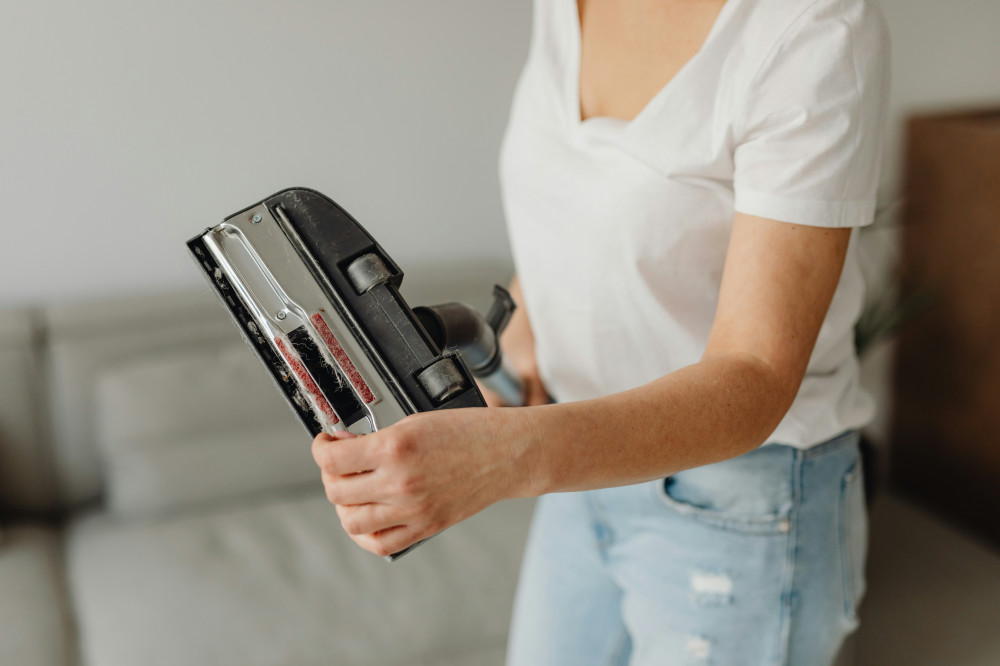
Regular maintenance of your vacuum hose and nozzles ensures powerful suction and a longer lifespan for your appliance. Learn practical cleaning steps and smart habits to keep your vacuum in top condition for everyday use.
Fergal O’Dwyer
Fergal
O’Dwyer
Flat-Bottomed Pots – The Best Choice for Ceramic Hobs
Get the most out of your ceramic hob with the right flat-bottomed cookware
Appliances
Appliances
Ceramic Hob
Cookware
Kitchen Tips
Home Appliances
Cooking Guide
6 min
Discover why flat-bottomed pots and pans are essential for efficient cooking on ceramic hobs. Learn how to choose the best materials, protect your hob from damage, and keep it looking spotless for years to come.
Rachel O’Connell
Rachel
O’Connell
Retro Appliances: How They Bring Personality and Charm to Your Kitchen
Add a nostalgic twist to your kitchen with stylish retro appliances
Appliances
Appliances
Retro Style
Kitchen Design
Home Decor
Interior Inspiration
Vintage Appliances
2 min
Discover how retro appliances can transform your kitchen into a space full of warmth, colour, and personality. From pastel tones to vintage-inspired designs, learn how to blend old-school charm with modern functionality for a kitchen that truly feels like home.
Callum Burke
Callum
Burke
Avoid Food Waste – How to Store Your Food Properly in the Freezer
Keep your food fresh longer and cut down on waste with smart freezer habits
Appliances
Appliances
Food Storage
Freezer Tips
Food Waste
Meal Planning
Sustainability
5 min
Learn how to make the most of your freezer to reduce food waste, save money, and simplify your meal planning. From proper packaging and labeling to preventing freezer burn and managing space, this guide helps you store your food efficiently and sustainably.
Clara Power
Clara
Power
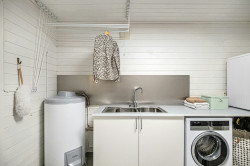
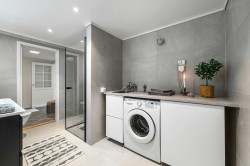
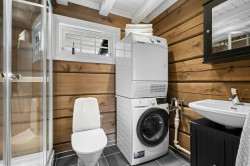
Laundry in Small Homes: Practical Solutions for Limited Space
Smart ideas to make laundry day easier when every inch of space matters
Appliances
Appliances
Small Homes
Laundry Tips
Home Organization
Space Saving
Interior Design
5 min
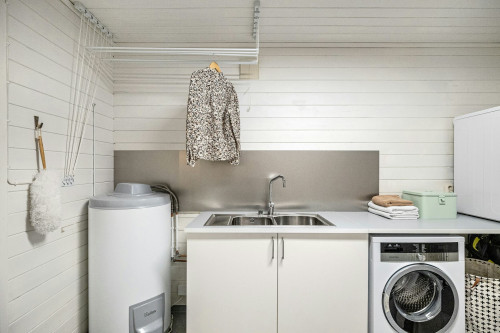
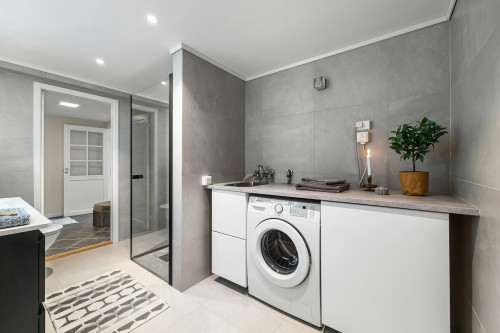
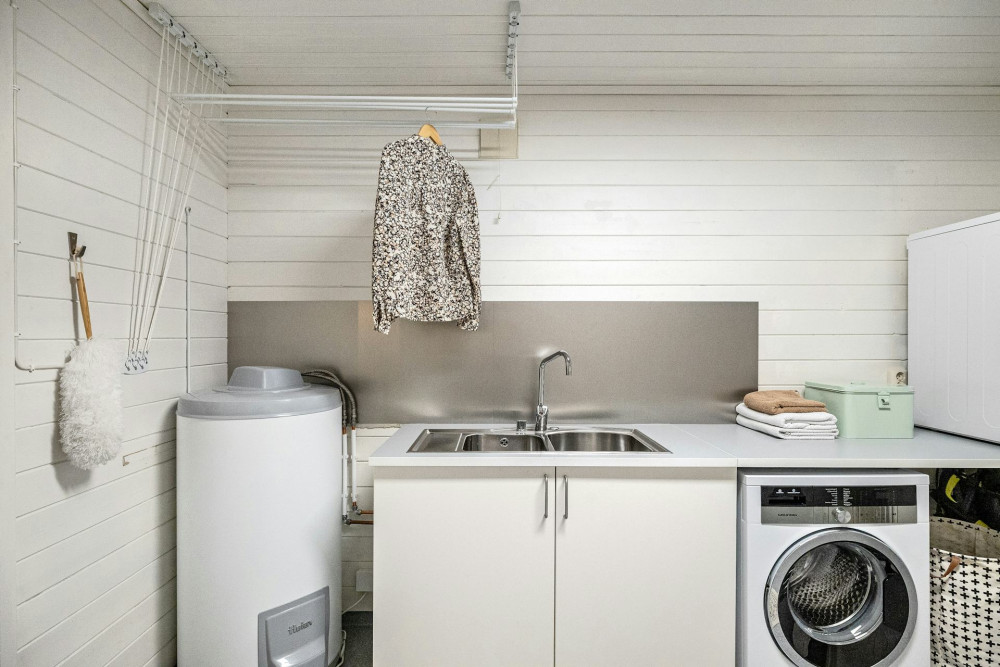
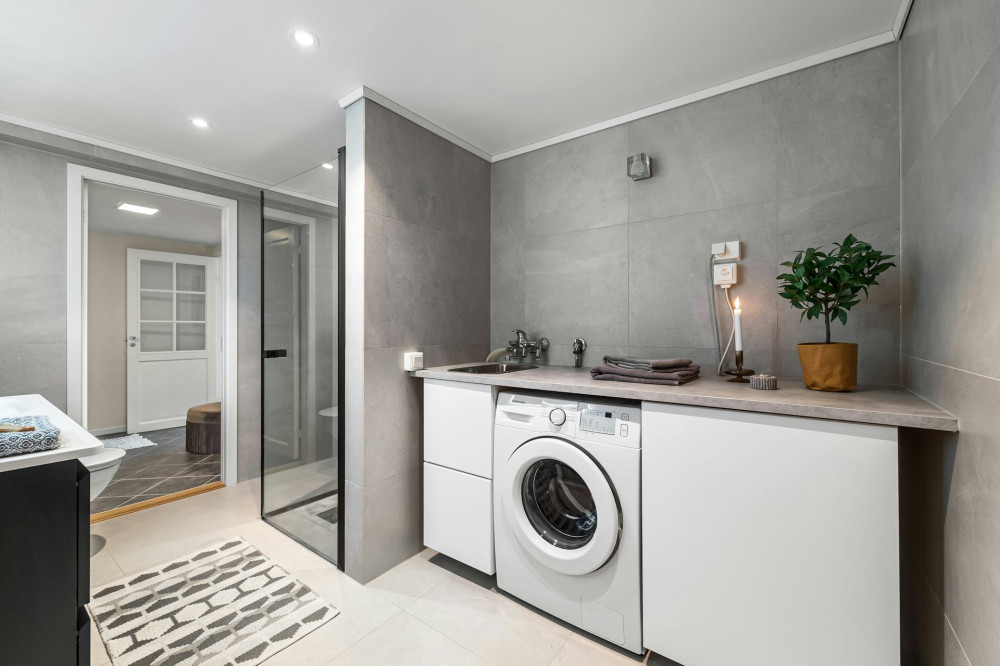
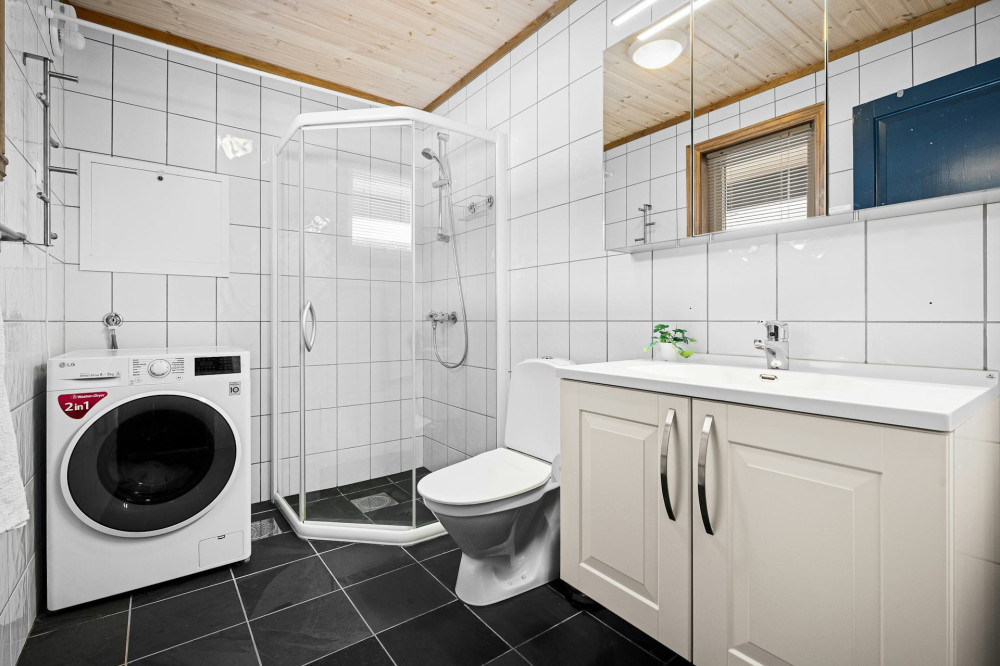
Discover clever ways to manage laundry in small homes without sacrificing comfort or style. From multifunctional setups to efficient drying and storage solutions, learn how to create a tidy, practical laundry area that fits your limited space.
Ciara Keane
Ciara
Keane
Rustic Outdoor Living: Create an Atmospheric Garden with Natural Materials
Bring warmth and authenticity to your garden with wood, stone, and natural textures
Furniture
Furniture
Rustic Garden
Outdoor Living
Natural Materials
Garden Design
Home Decor
5 min
Discover how to design a rustic outdoor space that feels both timeless and inviting. Learn how to use natural materials, thoughtful details, and local inspiration to create a garden full of atmosphere, harmony, and heart.
Fergal O’Dwyer
Fergal
O’Dwyer
From Baroque to Sustainability – The Journey of Furniture Design Through the Centuries
Discover how furniture design reflects centuries of changing tastes, technologies, and values
Furniture
Furniture
Furniture Design
Interior Design
History of Design
Sustainability
Craftsmanship
3 min
From the lavish Baroque era to today’s focus on sustainability, furniture design has evolved alongside human culture and innovation. Explore how craftsmanship, materials, and aesthetics have transformed through the ages to shape the way we live and express ourselves.
Rachel O’Connell
Rachel
O’Connell
Share, Swap and Borrow: A Sustainable Path to More Responsible Living
Discover how sharing, swapping, and borrowing can make everyday living more sustainable and community-focused
Furniture
Furniture
Sustainability
Community
Eco Living
Mindful Consumption
Sharing Economy
7 min
Learn how embracing shared resources and mindful consumption can reduce waste, save money, and strengthen local connections. From community libraries to swap events, explore practical ways to live more responsibly and sustainably.
Callum Burke
Callum
Burke