New Life for Old Floors – How to Reuse and Recycle Them

New Life for Old Floors – How to Reuse and Recycle Them
An old wooden floor can tell stories – of family life, footsteps, and changing times. But when it starts to creak, lose its shine, or show scratches, it’s tempting to replace it altogether. In many cases, though, that’s not necessary. With the right care and creativity, you can give your floors a new lease of life while saving money and resources. Here’s how to reuse, recycle, and reimagine your old floors in a sustainable way.
Preserve Instead of Replacing
The most sustainable floor is often the one you already have. Many older Irish homes feature solid timber floors made from oak, pine, or pitch pine – materials that can last for generations if properly maintained. Before you decide to rip it up, check whether it can be restored.
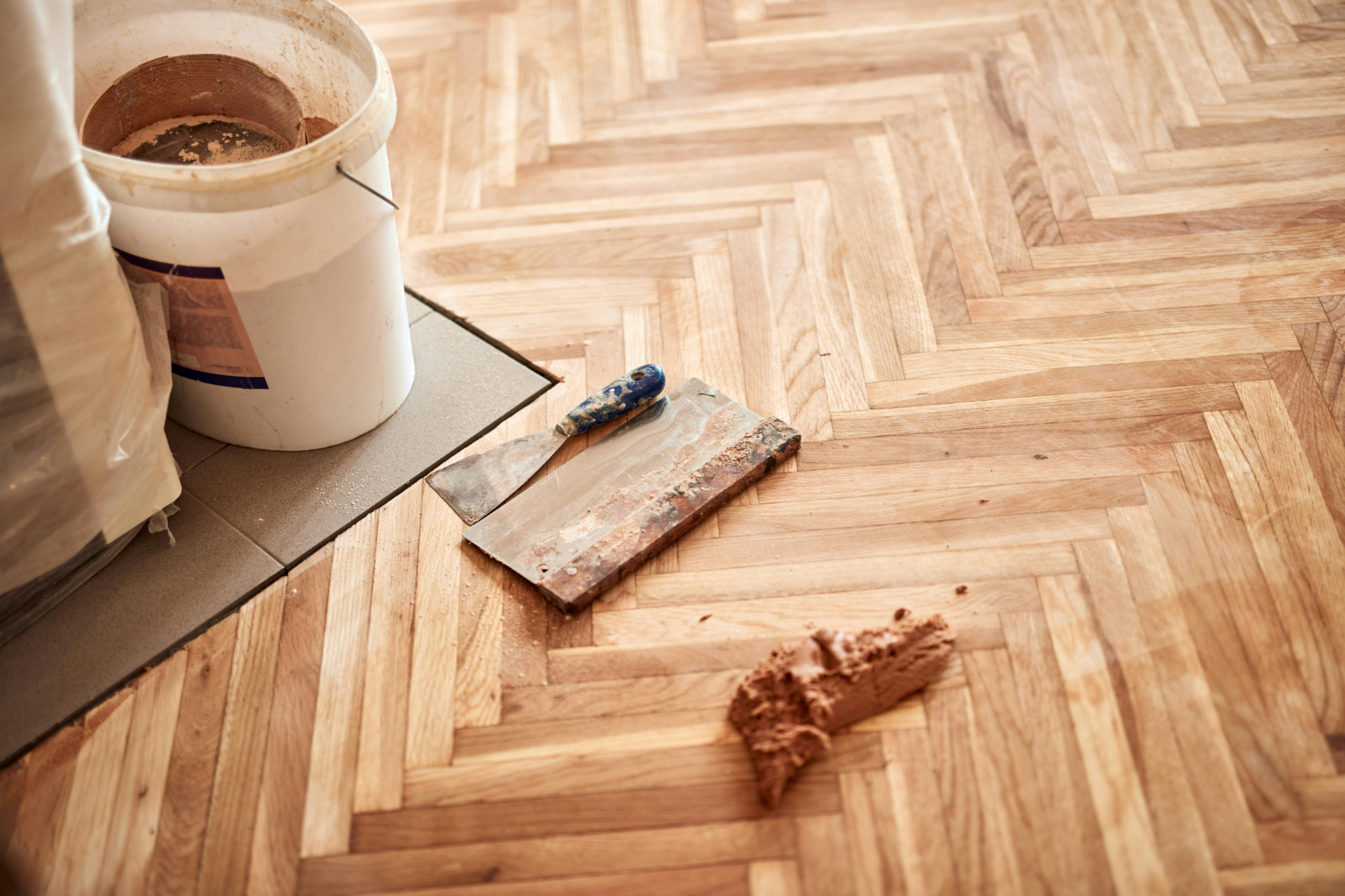
- Sanding and refinishing can remove scratches, stains, and old varnish. After sanding, you can choose between oil, lacquer, or wax finishes depending on the look and level of maintenance you prefer.
- Replacing damaged boards is often enough if only small areas are affected. Try to source reclaimed boards from architectural salvage yards to match the original style.
- Fixing creaks and loose boards can usually be done with screws, glue, or wedges – no need to lift the entire floor.
By keeping your existing floor, you save materials, reduce CO₂ emissions, and preserve the unique character that new flooring rarely replicates.
Give Old Floorboards a New Purpose
If your floor truly can’t be saved, the materials can still live on in new forms. Wood is a versatile and durable material, perfect for creative reuse projects.
- Furniture and home décor – old boards can become tables, shelves, or benches, adding rustic charm to your home.
- Wall or ceiling cladding – use reclaimed boards to create a warm, textured feature wall.
- Outdoor projects – treated or hardwood boards can be reused for planters, decking, or garden sheds.
- Crafts and art – smaller pieces can be turned into picture frames, signs, or handmade gifts.
By thinking creatively, you extend the life of the wood and keep a piece of your home’s history alive in a new form.
Recycling and Environmental Considerations
When a floor can’t be reused directly, its materials can still enter new recycling cycles. Across Ireland, local recycling centres accept wood waste, which can be processed into chipboard or used as biomass fuel. It’s important to sort materials correctly:
- Clean, untreated wood can be recycled directly.
- Painted or varnished wood should be disposed of as treated timber, as it requires special handling.
- Vinyl and laminate flooring should be sorted as plastic or composite waste, depending on the material.
Proper sorting ensures that as much material as possible is recycled and that environmental impact is kept to a minimum.
Choosing New Floors with Sustainability in Mind
If you’re installing a new floor, consider eco-friendly options. Many suppliers in Ireland now offer flooring made from reclaimed wood, bamboo, or cork – all renewable and attractive materials. You can also find reclaimed flooring through salvage yards, demolition companies, or online marketplaces. These often offer high-quality boards at a fraction of the cost of new ones.
When choosing a new floor, think about the full life cycle: where the material comes from, how long it will last, and whether it can be reused or recycled again. That’s the key to a more sustainable home.
Care and Maintenance – Making Floors Last Longer
A well-maintained floor can last for decades. Small habits make a big difference:
- Use felt pads under furniture legs to prevent scratches.
- Place doormats at entrances to stop grit and dirt from wearing down the surface.
- Clean with mild, pH-neutral products suitable for your floor type.
- Re-oil or re-wax as needed to protect the surface and maintain its natural beauty.
Regular maintenance prevents major repairs and extends the life of your floor significantly.
A Floor with History – and a Future
Old floors hold both charm and potential. By repairing, reusing, and recycling, you can create a home that’s beautiful, sustainable, and full of character. It’s not just about saving resources – it’s about preserving craftsmanship, materials, and stories that might otherwise be lost. An old floor can have a bright future – and continue to be part of your everyday life for many years to come.