Colourful Garden All Year Round – How to Choose the Right Plants

Colourful Garden All Year Round – How to Choose the Right Plants
A garden that stays vibrant through all four seasons doesn’t happen by chance – it takes planning and the right plant choices. With a thoughtful mix of flowers, shrubs, and trees, you can enjoy colour, texture, and life from early spring to late winter. Here’s how to create a garden that keeps blooming and changing beautifully throughout the year.
Think in Seasons – Plan for Year-Round Interest
Many Irish gardens burst into colour in May and June, only to fade later in the year. The key to a colourful garden all year round is to choose plants that peak at different times.
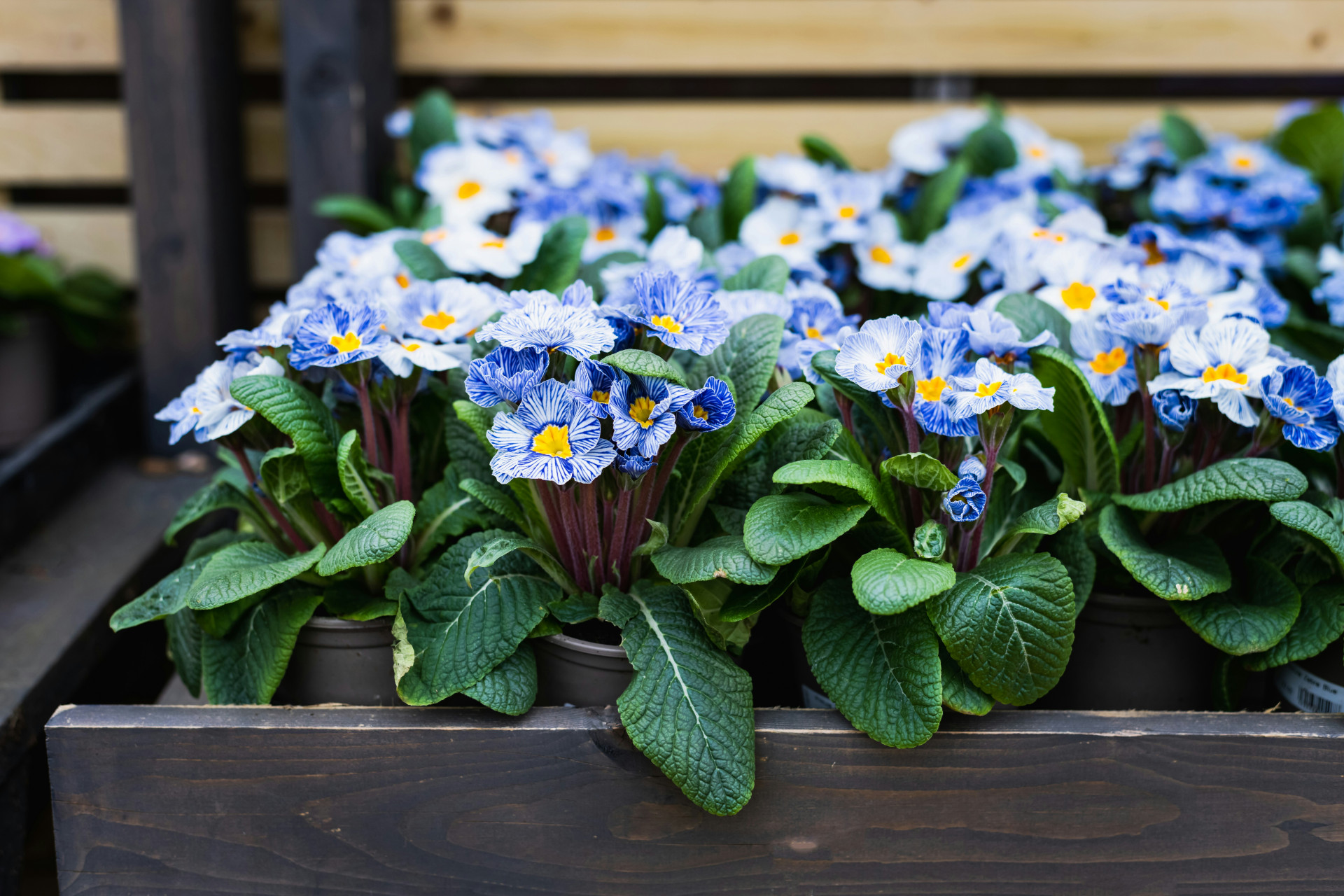
- Spring: Start the season with bulbs like daffodils, tulips, and crocuses – they thrive in Ireland’s cool, damp spring. Add early perennials such as primroses and hellebores for extra colour.
- Summer: This is when your garden can truly shine. Roses, lavender, geraniums, and delphiniums love the long days and mild temperatures. Mix heights and colours for a lush, layered look.
- Autumn: Extend the season with plants that offer rich tones and texture. Sedum, asters, and ornamental grasses bring warm hues, while shrubs like hydrangeas and cotoneaster add berries and structure.
- Winter: Even in the coldest months, your garden can have life. Evergreen shrubs such as holly, box, and yew keep their colour, while dogwood and witch hazel add striking bark and winter blooms.
By planning for each season, you’ll ensure your garden always has something to offer – no matter the month.
Create Variety with Colour and Form
A beautiful garden isn’t just about bright flowers – it’s also about contrast and balance. Combine soft, flowing perennials with upright grasses or rounded shrubs to add depth and movement.
When choosing colours, decide on the mood you want:
- Calm harmony: Stick to related shades like blues, purples, and pinks for a soothing effect.
- Vibrant contrast: Pair opposites such as yellow and purple or red and green for energy and drama.
Repeating colours and plant types throughout the garden helps tie everything together and gives a more cohesive look.
Match Plants to Their Growing Conditions
Even the most stunning plants will struggle if they’re in the wrong spot. Take time to understand your garden’s conditions – sunlight, soil type, and moisture levels vary widely across Ireland.
- Sunny spots: Lavender, thyme, roses, and salvias thrive in full sun and well-drained soil.
- Shady corners: Ferns, hostas, and foxgloves do well in partial or full shade.
- Damp areas: Try irises, astilbes, or marsh marigolds, which enjoy moisture and can handle wetter ground.
By matching plants to their preferred conditions, you’ll have a healthier, lower-maintenance garden.
Use Shrubs and Trees as the Garden’s Framework
Perennials and flowers bring colour, but shrubs and trees provide structure and year-round interest. They form the backbone of your garden and keep it looking good even when flowers fade.
Consider:
- Flowering and berry-producing shrubs: Hydrangea, viburnum, and fuchsia add colour and attract wildlife.
- Trees with striking bark or autumn colour: Birch, Japanese maple, or crab apple bring seasonal drama.
- Evergreens: Holly, box, and laurel keep the garden green through winter and offer shelter for birds.
These elements give height, depth, and a sense of permanence to your garden design.
Don’t Forget Scent and Wildlife
A colourful garden can also be a sensory and ecological haven. Fragrant plants like lavender, roses, and herbs make your garden a pleasure to walk through, while nectar-rich flowers attract bees and butterflies.
Plant buddleia, thyme, and wildflowers to support pollinators, and leave some seed heads standing over winter to feed birds. A small pond or birdbath can also bring life and movement to your garden.
A Garden That Grows with You
A colourful garden doesn’t have to be perfect from the start. It evolves over time as plants mature and you discover what thrives best in your space. Take photos through the seasons and note where you’d like more colour or structure – then adjust next year.
Most importantly, enjoy the process. A garden is a living, changing space that grows with the seasons – and with you.